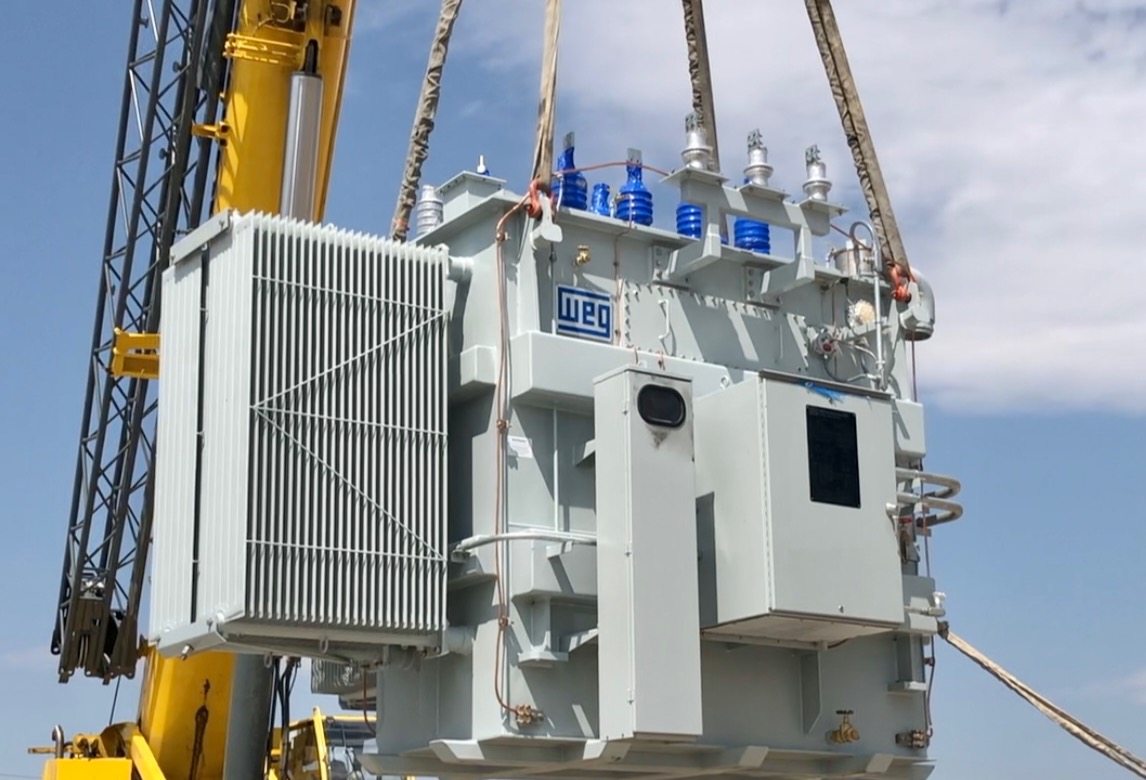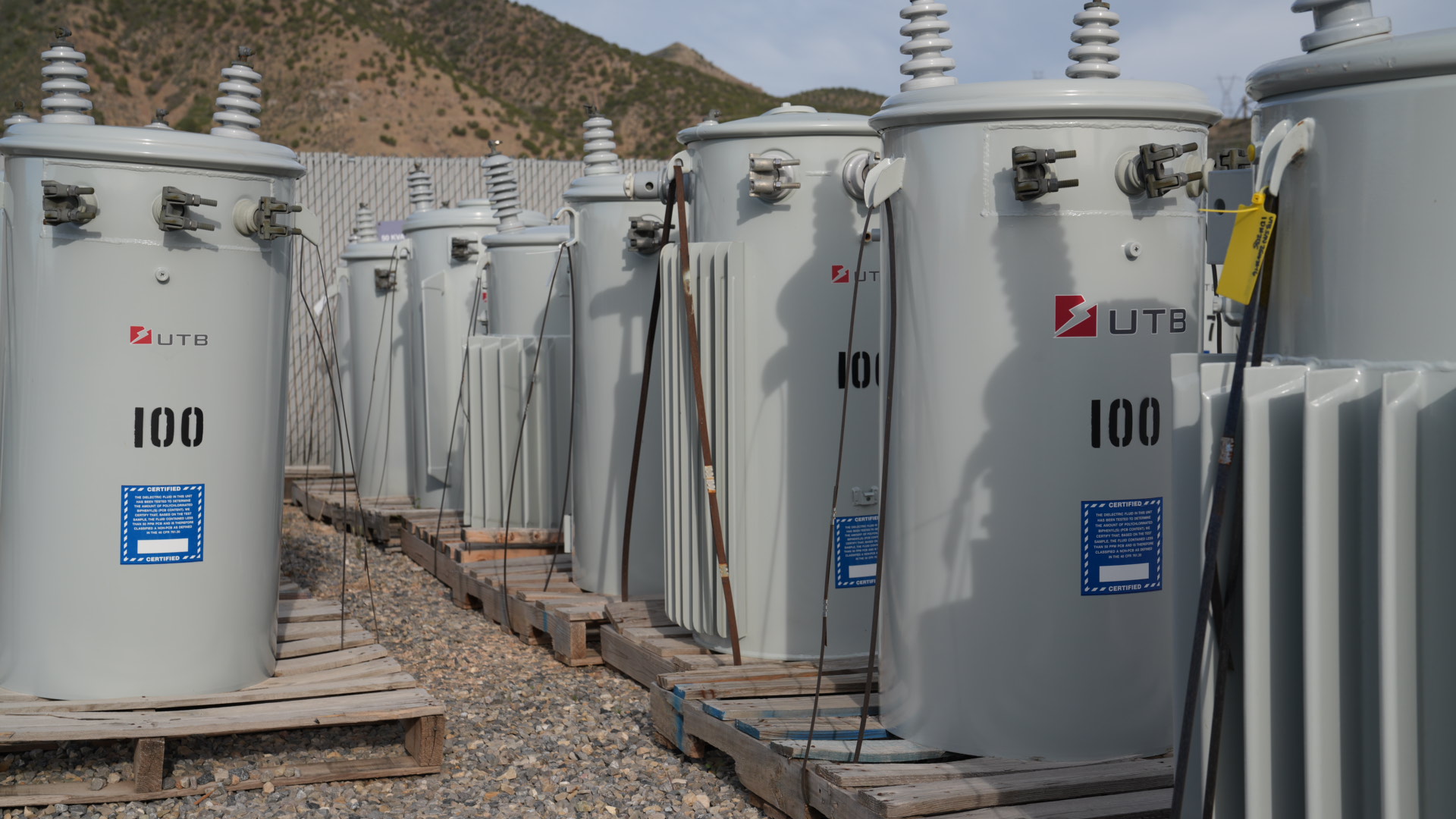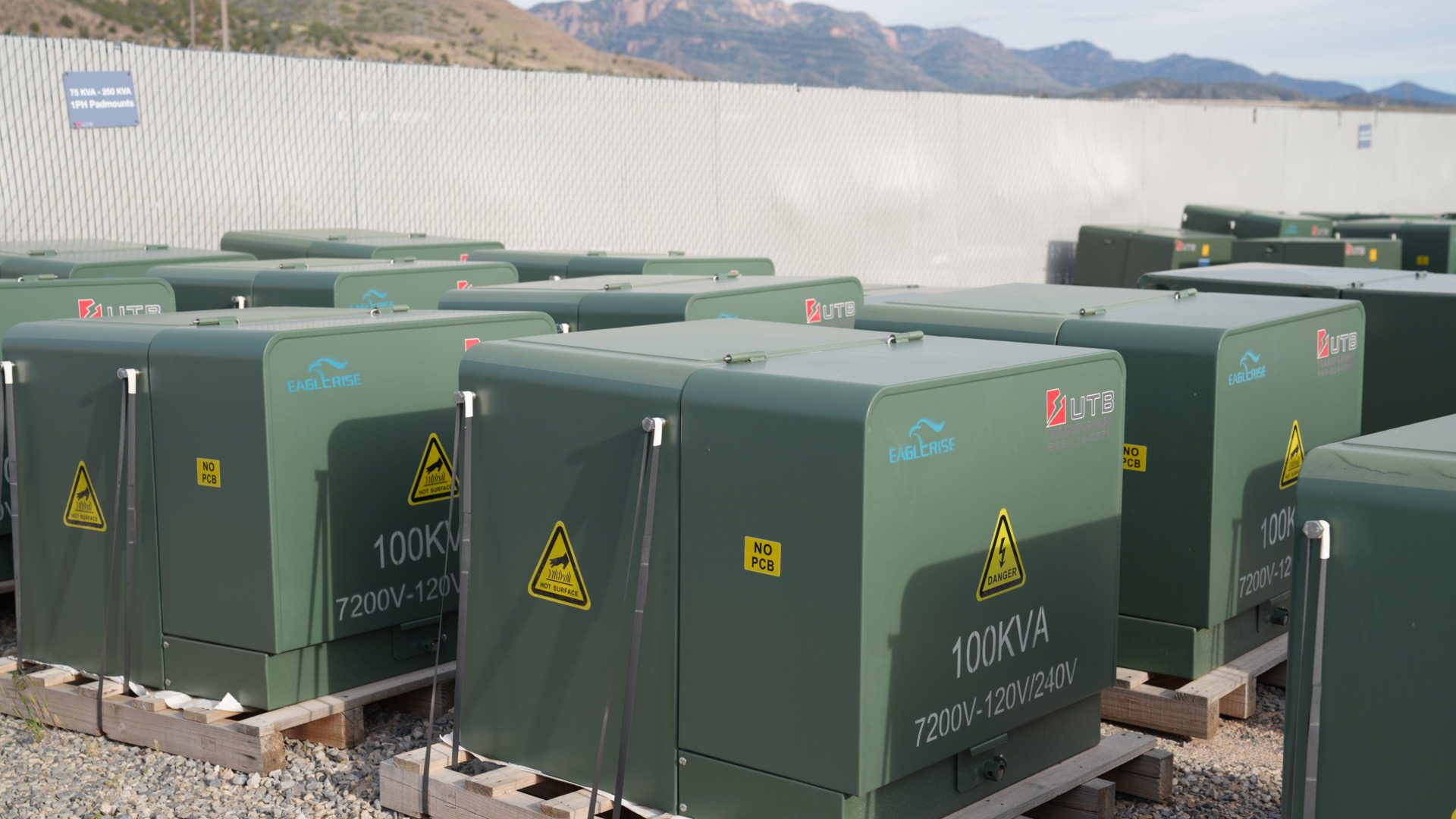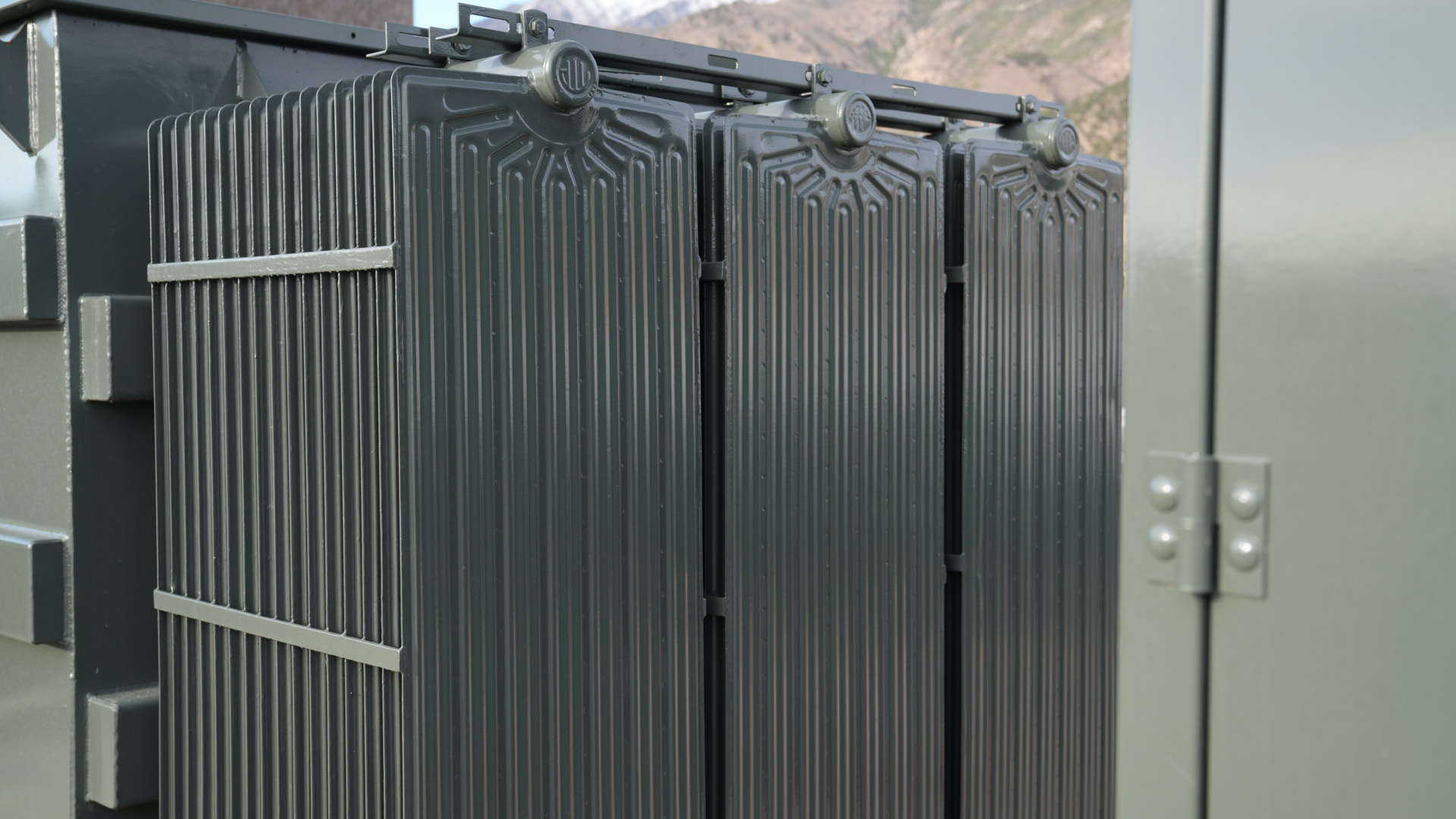
When a transformer controls your project schedule, every week matters. The real question is not simply who sells transformers. You need to know where to buy a pad-mounted transformer that fits your specifications, budget, and deadline.
Many utilities, contractors, industrial plants, renewable energy developers, and data centers face the same problem. Their usual source cannot deliver when the project needs power.
That pressure can lead to rushed decisions. It can also cause buyers to accept a long factory lead time without exploring faster options.
The U.S. Department of Energy reported that distribution transformer lead times rose from roughly three to six months in 2019 to 12 to 30 months in 2023.
You may not need to wait that long. The right sourcing strategy can uncover in stock, scheduled production, reconditioned, or rewound options.
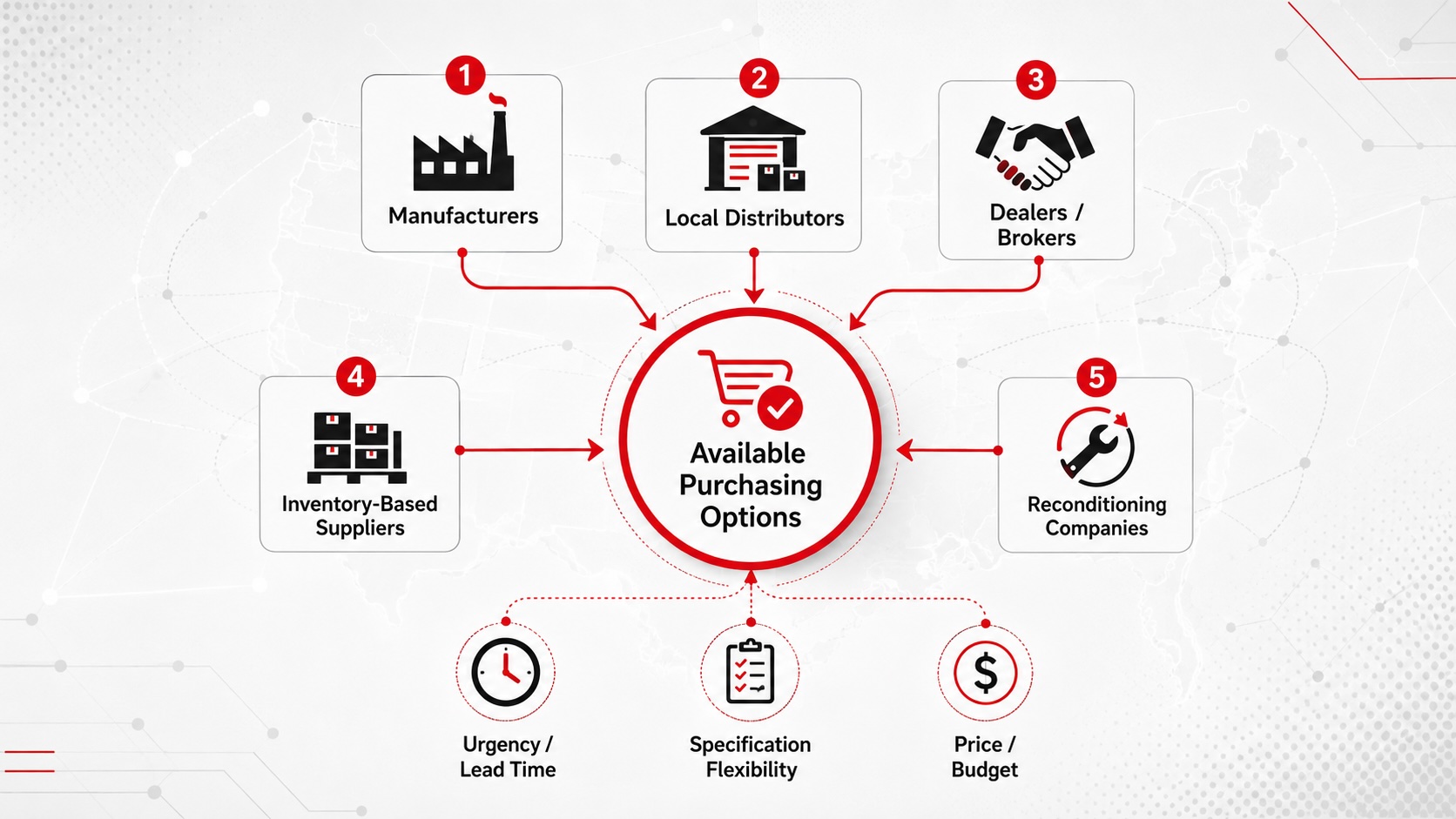
This guide compares five purchasing channels. It also explains how UTB helps buyers choose among them based on timing, price, and condition.
Where to Buy a Pad-Mounted Transformer: Start Here
Before you contact suppliers, define your three most important constraints:
- Required delivery date
- Mandatory specifications
- Available budget
Your priorities will point you toward the best source.
A rigid specification may require a factory built unit. An urgent deadline may favor available inventory or reconditioned equipment.
If you search “buy pad mounted transformer” without those details, you may receive quotes that look attractive but cannot support your project.
Gather the kVA, phase, primary voltage, secondary voltage, vectors, taps, impedance, feed configuration, and required accessories first.
UTB’s guide explains the specifications needed when ordering a pad-mounted transformer.
1. Buy a New Transformer From a Manufacturer
A factory built transformer often makes sense when the project requires an exact configuration.
Manufacturers can build around your voltage, kVA, impedance, winding material, enclosure, efficiency requirements, accessories, and utility standards.
Standard factory schedules create the biggest drawback. Engineering, materials, production, testing, and shipping all require time.
However, a traditional factory order is not your only path to a new transformer.
UTB has reserved production slots with domestic manufacturers. Those slots can reduce the expected lead time for qualifying new units to approximately three to four months.
UTB also works with international manufacturers that can deliver many new units in approximately three to four months. Specifications, approvals, production capacity, and shipping conditions can affect the final schedule.
This approach gives you another option when you need new equipment but cannot accept a year-long wait.
A new manufacturer built unit may fit when:
- The project requires an exact specification.
- The owner or utility requires new equipment.
- Your schedule supports a 3-4 month production window.
- You need several units with a repeatable design.
Before ordering, confirm that the proposed unit meets applicable efficiency requirements. The U.S. Department of Energy maintains current information on its distribution transformer energy-conservation standards.
Buyers and engineers may also reference the scope of IEEE C57.12.34 for certain three-phase pad mounted distribution transformers.
2. Buy Through a Local Electrical Distributor
A buyer who searches “transformer supplier near me” will often find a local electrical distributor first.
Local distributors may already provide your switchgear, cable, conduit, and other electrical equipment. Adding a transformer can simplify billing and account management.
Yet many distributors do not stock a broad transformer inventory. They may send your specifications to one manufacturer and quote that factory’s standard lead time. Their manufacturer agreements may also limit the options they can offer in your territory
A local distributor may fit when:
- You want one vendor for the full electrical package.
- The distributor already has a matching unit or production allocation.
- Your schedule can support the quoted lead time.
- Local terms and account convenience matter most.
Ask the distributor to define the equipment status. “Available to order” does not mean “available to ship.”
If you are still deciding where to buy a pad-mounted transformer, request the serial number, nameplate, location, photos, and expected ship date for any claimed in stock unit.
3. Buying Through a Transformer Broker or Dealer
A broker or dealer can search beyond one factory and one sales territory.
The right partner may locate new surplus units, canceled orders, used transformers, reconditioned units, or rewindable cores. This reach can save valuable time.
A knowledgeable pad mounted transformer dealer can also help compare small specification differences. Your engineer or utility must approve any proposed alternative.
Dealer quality varies, so verify the company before you send a purchase order.
Ask these questions:
- Who owns the transformer?
- Where is it now?
- Can the seller provide current photos and nameplate data?
- What testing will the unit receive?
- What warranty comes with it?
- Who will coordinate freight and delivery?
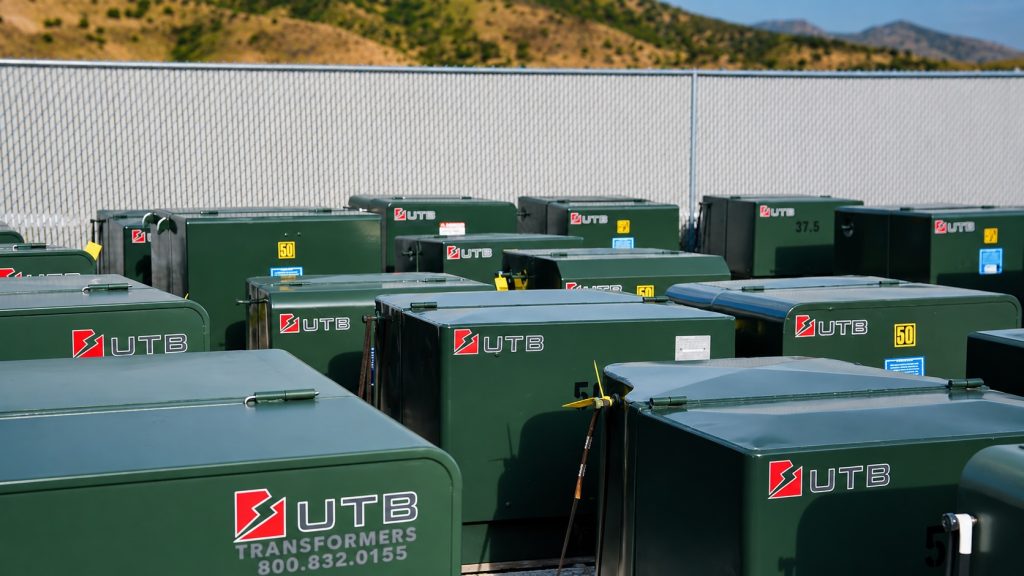
UTB serves customers as a nationwide transformer supplier. Our team compares new, in stock, reconditioned, and rewound options around your project requirements.
That broad search helps you evaluate real trade offs instead of accepting one source, one condition, or one lead time.
4. Choose an Inventory Based Supplier
When a project cannot wait for normal production, an inventory based supplier often offers the fastest starting point.
These suppliers purchase common units before an end user places an order. They may also acquire surplus equipment or canceled orders.
An existing transformer can move through inspection, testing, preparation, and shipping much faster than a unit that has not entered production.
Inventory introduces one key trade off: you may need some specification flexibility.
An available unit might have different impedance, winding material, accessories, cabinet features, or voltage arrangements. The project engineer, utility, or authority having jurisdiction should review those differences.
An inventory based pad mounted transformer supplier may fit when:
- The transformer sits on the project’s critical path.
- A failure or shutdown requires urgent action.
- Your engineer can evaluate alternate specifications.
- You want to compare new and reconditioned inventory.
Online listings for pad mounted transformers for sale can provide a starting point. Still, a listing alone does not confirm ownership, condition, testing, or availability.
Ask for documentation before you treat any unit as a real option.
5. Consider a Reconditioned Transformer
A reconditioned unit can solve both lead time and budget problems.
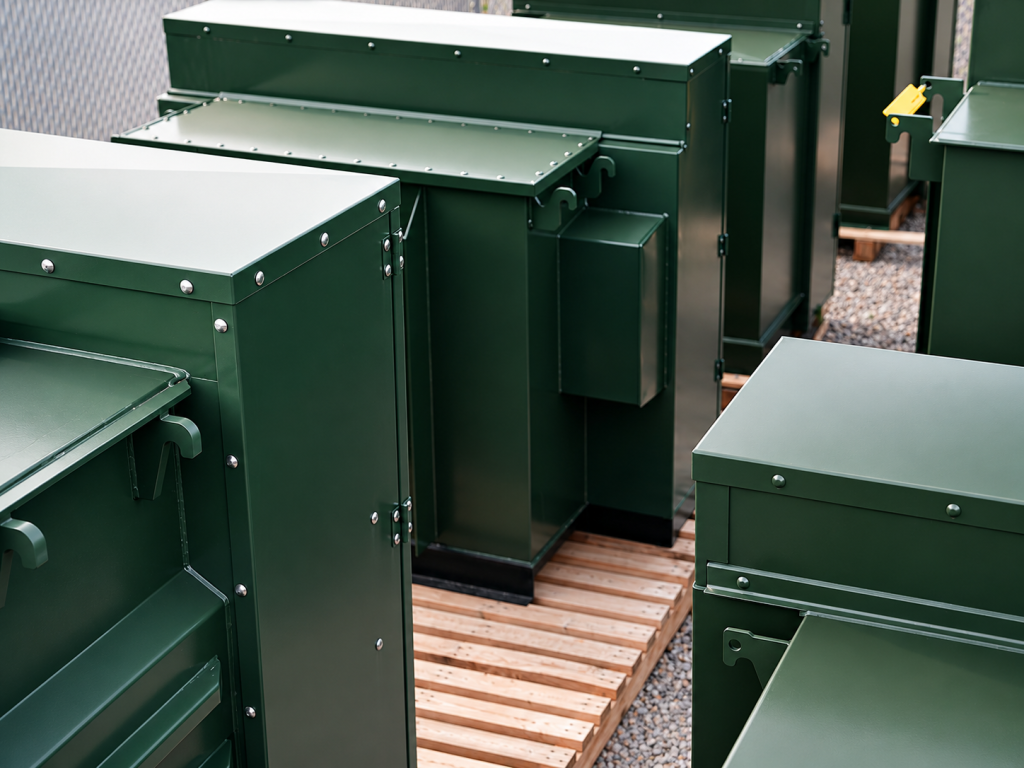
Proper reconditioning involves much more than paint and cleaning. A qualified company inspects the unit, completes necessary repairs, replaces the insulating fluid, performs electrical tests, and documents the results.
Reconditioned equipment may also provide access to older or less common voltage configurations that manufacturers no longer stock routinely.
This option may fit when:
- Budget and schedule both matter.
- A suitable used core exists.
- The application allows previously energized equipment.
- The supplier offers testing and warranty coverage.
Request the test report, scope of work, warranty, nameplate information, and current photos.
UTB explains more in its guide to whether you should purchase a used transformer.
UTB can also coordinate transformer service and repair when repairing your current unit offers a better solution than replacement.
Where to Buy a Pad-Mounted Transformer When Time Matters
Start with sources that can prove availability when you need delivery in weeks rather than months.
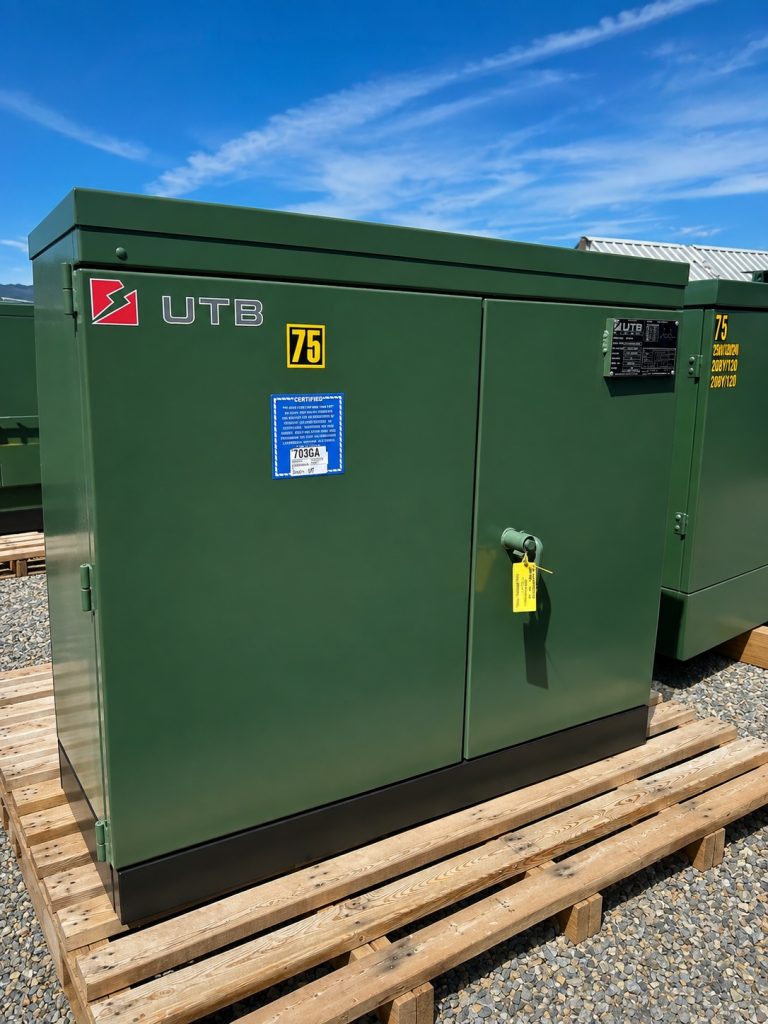
Ask every supplier to classify the unit clearly:
- Physically in stock
- Undergoing reconditioning
- Assigned to a confirmed production slot
- Available for a new factory order
Then ask for a written schedule. A vague promise of “availability” does not protect your project.
You should also confirm what work remains before shipment. Testing, repairs, accessories, paint, approvals, and freight can change the delivery date. A credible supplier will explain those steps and flag schedule risks early
Decide Which Specifications Can Change
More flexibility creates more sourcing options, but safety and system compatibility must guide every decision.
Identify your nonnegotiable specifications first. These often include:
- kVA
- Phase
- Primary and secondary voltage
- Winding Material
- Basic impulse level
- Required taps
- Loop-feed or radial-feed configuration
Your engineer may have flexibility on other features. Those could include copper versus aluminum windings, small impedance differences, bushing configuration, or certain accessories.
Never approve a substitution based on delivery speed alone. Have qualified project professionals review and approve every change before purchase.
This preparation makes it easier to identify where to buy a pad-mounted transformer without compromising the electrical system.
Compare Total Project Cost, Not Just Price
The lowest transformer price may create the highest project cost.
Construction delays, temporary power, equipment rentals, lost production, and missed deadlines can quickly exceed the difference between two quotes.
A custom new unit may deliver the exact configuration but cost more and take longer. A new surplus unit may reduce the wait while preserving new condition.
A reconditioned or rewound transformer may offer the best balance of price and availability.
A strong supplier will first understand your project. Then the supplier should present realistic choices and explain each trade off.
Questions to Ask Before You Buy
Use these questions to evaluate any seller:
- Is the transformer new, new surplus, used, reconditioned, or rewound?
- Who owns the unit, and where is it now?
- Does the nameplate match my required specifications?
- What work remains before shipment?
- Which electrical tests will you perform?
- Will you provide a complete test report?
- What warranty will you include?
- Does the quote include freight and delivery coordination?
- Can you provide current photos, nameplate documentation, or drawings?
- Who will resolve shipping damage or an order discrepancy?
Clear answers separate a dependable supplier from a company that simply advertises equipment it does not control.
Where to Buy a Pad-Mounted Transformer Without Delay
No single purchasing channel fits every project.
Choose a manufacturer when an exact new build matters most. Choose a local distributor when convenience outweighs speed.
Consider a reconditioned unit when cost and availability drive the decision. Work with an inventory based dealer when you need multiple options quickly.
UTB combines those paths in one search. We offer in stock units, reserved domestic production slots, international manufacturing options, reconditioned transformers, and rewound equipment.
Our team organizes each option around timing, price, and condition. That makes UTB a practical nationwide transformer supplier for both planned projects and urgent needs.
If you need to determine where to buy a pad-mounted transformer, send UTB your specifications.
Include the kVA, phase, voltages, vectors, taps, impedance, feed configuration, accessories, delivery location, and required on site date.
We will review the available paths and help you choose the option that best protects your schedule and budget.