Every day, millions of homes and businesses receive electricity through equipment that most people never notice. One of the most important pieces of that infrastructure is the pad mounted transformer. Installed throughout neighborhoods, commercial developments, industrial parks, schools, hospitals, and utility distribution systems, these transformers quietly reduce distribution voltages to levels that customers can safely use.
As electrical infrastructure continues to expand across North America, utilities are investing heavily in underground distribution systems. New housing developments, commercial construction, renewable energy projects, and aging electrical equipment have all contributed to increasing demand for pad mounted transformers. At the same time, manufacturers continue to face extended production schedules, making available inventory more valuable than ever.
Whether you are replacing a failed transformer after a storm, planning a subdivision expansion, or sourcing equipment for a large infrastructure project, understanding how pad mounted transformers work and how to select the right unit can help keep your project on schedule.
This guide explains everything utility buyers, contractors, municipalities, and engineers should know when purchasing a pad mounted transformer.
What Is a Pad Mounted Transformer?
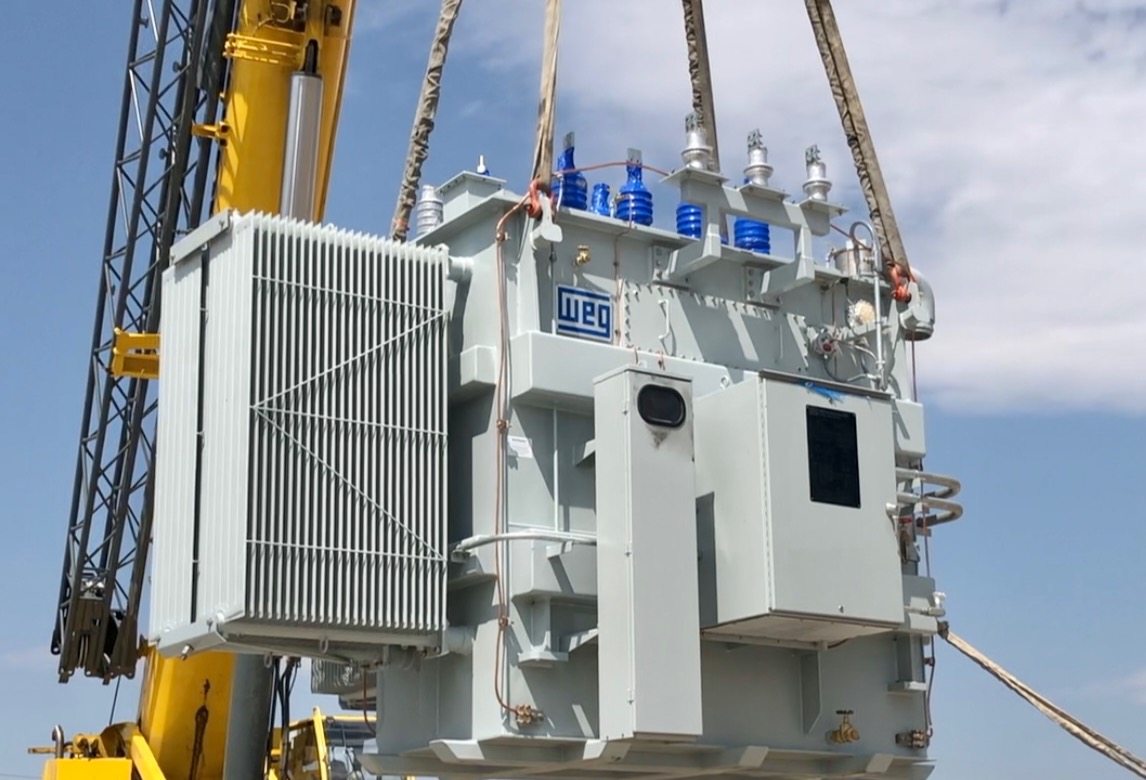
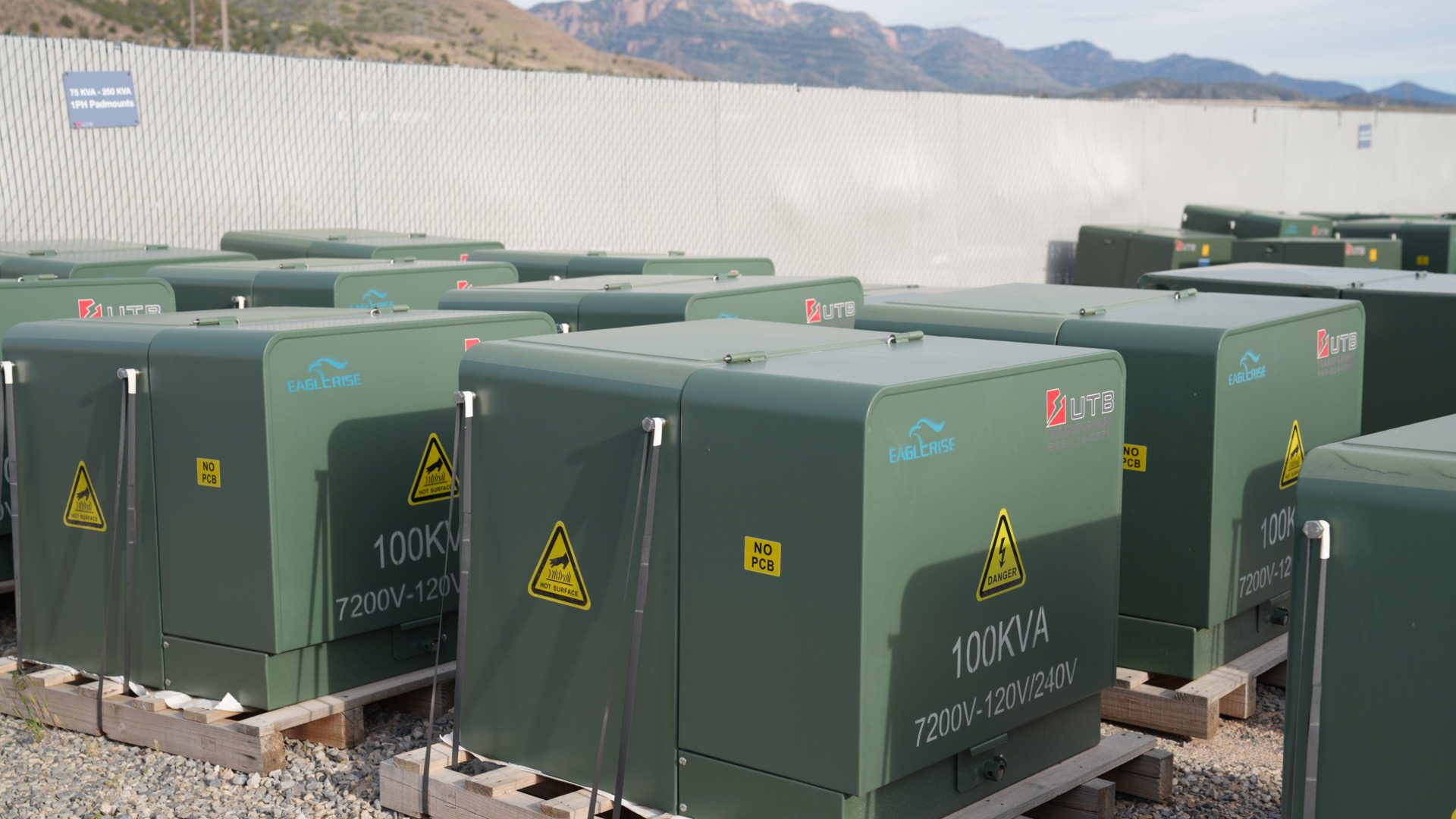
A pad mounted transformer is a ground-mounted distribution transformer designed for underground electrical distribution systems. Unlike pole mounted transformers that receive power from overhead lines, pad mounted units connect directly to underground primary distribution cables and supply lower-voltage electricity to nearby customers.
Each transformer is installed on a reinforced concrete pad and enclosed within a heavy-gauge, tamper-resistant steel cabinet. The cabinet protects energized components from weather, wildlife, and unauthorized access while allowing qualified utility personnel to safely perform inspections and maintenance.
Most pad mounted transformers are liquid-filled, using insulating mineral oil or environmentally friendly dielectric fluids to cool internal components and provide electrical insulation. These fluids help dissipate heat generated during normal operation, allowing the transformer to operate reliably for decades when properly maintained.
Their compact footprint, high reliability, and secure design have made pad mounted transformers the preferred choice for underground utility distribution throughout North America.
How Pad Mounted Transformers Work
Electricity generated at power plants travels across high-voltage transmission lines before reaching substations. At the substation, transformers reduce transmission voltages to medium-voltage distribution levels suitable for local electrical grids.
Pad mounted transformers perform the final voltage reduction before electricity reaches homes, businesses, schools, hospitals, and industrial facilities.
Primary voltage enters the transformer through underground cables connected to the high-voltage compartment. Inside the tank, copper or aluminum windings transfer energy through a magnetic core, reducing the voltage to the required secondary level. The lower-voltage electricity then exits through underground secondary conductors and continues toward the customer’s electrical service.
Although this process occurs continuously, there are no moving parts inside the transformer itself. This simple operating principle is one reason distribution transformers often remain in service for 30 years or longer.
Why Utilities Continue Choosing Pad Mounted Transformers
Underground electrical distribution has become the preferred option for many municipalities and utility providers. As a result, pad mounted transformers have become one of the most widely installed pieces of distribution equipment in modern electrical systems.
Utilities value these transformers because they provide dependable operation while reducing many of the challenges associated with overhead distribution equipment.
Ground-level installation simplifies construction in densely populated areas and improves accessibility for maintenance crews. Underground cables are generally less vulnerable to high winds, falling trees, and vehicle accidents, helping improve overall system reliability.
Many communities also prefer underground infrastructure because it improves neighborhood appearance and reduces visual clutter. Without overhead poles and conductors, new developments often achieve a cleaner, more modern appearance while maintaining dependable electrical service.
These advantages continue driving demand for pad mounted transformers throughout residential, commercial, and industrial markets.
Understanding Underground Distribution Systems
Modern underground distribution systems are designed to provide reliable electrical service while minimizing exposure to environmental hazards.
Instead of overhead conductors, insulated primary cables are installed below ground inside conduit systems or direct-buried cable trenches. These underground circuits connect substations to strategically located pad mounted transformers throughout the service area.
Each transformer serves a defined group of customers by converting medium-voltage distribution power into usable service voltage.
Because the distribution equipment remains below ground, utilities experience fewer weather-related interruptions from wind, ice accumulation, and falling vegetation. While underground systems are typically more expensive to construct, many utilities consider the long-term reliability benefits worthwhile.
As cities continue growing, underground distribution remains one of the fastest-growing segments of electrical infrastructure.
Common Utility Applications
Pad mounted transformers support nearly every type of electrical distribution project.
Residential subdivisions represent one of the most common applications. As developers build new neighborhoods, underground electrical systems allow utilities to provide reliable power while preserving community aesthetics.
Commercial developments also rely heavily on pad mounted transformers. Shopping centers, office complexes, hotels, and healthcare facilities frequently require dedicated distribution transformers capable of supporting larger electrical loads.
Industrial customers depend on pad mounted transformers to supply manufacturing equipment, processing facilities, warehouses, and distribution centers. Municipalities install similar equipment to serve water treatment plants, traffic systems, government buildings, schools, parks, and public infrastructure.
Renewable energy projects, including solar installations and battery storage facilities, have also increased demand for distribution transformers as new generation assets connect to existing utility networks.
Commercial and Industrial Benefits
Although utilities remain the largest users of pad mounted transformers, commercial and industrial facilities benefit from many of the same advantages.
Ground-mounted installation allows equipment to be positioned near electrical service entrances without occupying valuable indoor space. The enclosed cabinet protects energized components while minimizing maintenance requirements over the equipment’s operating life.
Industrial facilities often choose pad mounted transformers because they can accommodate substantial electrical loads while remaining accessible for inspection and replacement if necessary.
As facilities expand production capacity, replacing or upgrading an existing transformer is often significantly easier than redesigning an entire electrical distribution system.
Dead-Front vs. Live-Front Transformers
One of the most important purchasing decisions involves selecting the correct front configuration.
Dead-front transformers use fully insulated high-voltage connections located behind protective barriers. Utility crews connect cables using separable connectors that reduce accidental exposure to energized components during switching and maintenance operations.
Because of their enhanced safety characteristics, dead-front transformers have become the preferred choice for many utility companies throughout North America.
Live-front transformers use exposed porcelain bushings instead of insulated connectors. While still common in certain applications, these designs require additional safety precautions and are generally found in older distribution systems or utilities that maintain live-front standards.
Before purchasing replacement equipment, buyers should always verify compatibility with existing utility specifications.
Radial Feed vs. Loop Feed Systems
Distribution systems are generally designed using either radial feed or loop feed configurations.
A radial feed transformer receives power from one direction. Electricity flows from the source to the transformer along a single distribution path. These systems are relatively simple and cost-effective, making them common in residential developments and smaller commercial projects.
Loop feed systems provide two available power paths. If maintenance or an outage occurs on one side of the distribution circuit, utilities can often restore service by feeding electricity from the opposite direction.
Because loop feed systems improve operational flexibility and reduce outage durations, they are commonly used in hospitals, industrial facilities, data centers, and other applications where service continuity is especially important.
Single-Phase and Three-Phase Pad Mounted Transformers
Pad mounted transformers are available in both single-phase and three-phase configurations.
Single-phase transformers typically serve residential neighborhoods and smaller commercial buildings where electrical demand remains relatively modest.
Three-phase transformers support significantly larger loads and are commonly installed at manufacturing facilities, commercial campuses, municipal infrastructure, and industrial operations.
Selecting the correct phase configuration depends entirely on the electrical system being served. Installing the wrong configuration may require extensive redesign of downstream electrical equipment, making accurate specifications critical before purchase.
Common Voltage Classes and kVA Ratings
Pad mounted transformers are manufactured in a wide variety of voltage classes and capacities.
Utilities commonly specify primary voltages based on their distribution network, while secondary voltages depend on customer requirements. Transformer capacities range from relatively small residential units to much larger commercial and industrial applications.
Rather than focusing only on kVA, buyers should evaluate the complete electrical specification, including impedance, BIL rating, cooling class, tap configuration, and applicable ANSI standards.
Even transformers with similar capacities may not be interchangeable if these specifications differ.
Understanding Transformer Components
Although the steel cabinet receives most of the attention, several internal components work together to provide dependable operation.
The magnetic core transfers energy between primary and secondary windings while minimizing electrical losses. Copper or aluminum conductors carry electrical current through insulated windings designed for decades of continuous service.
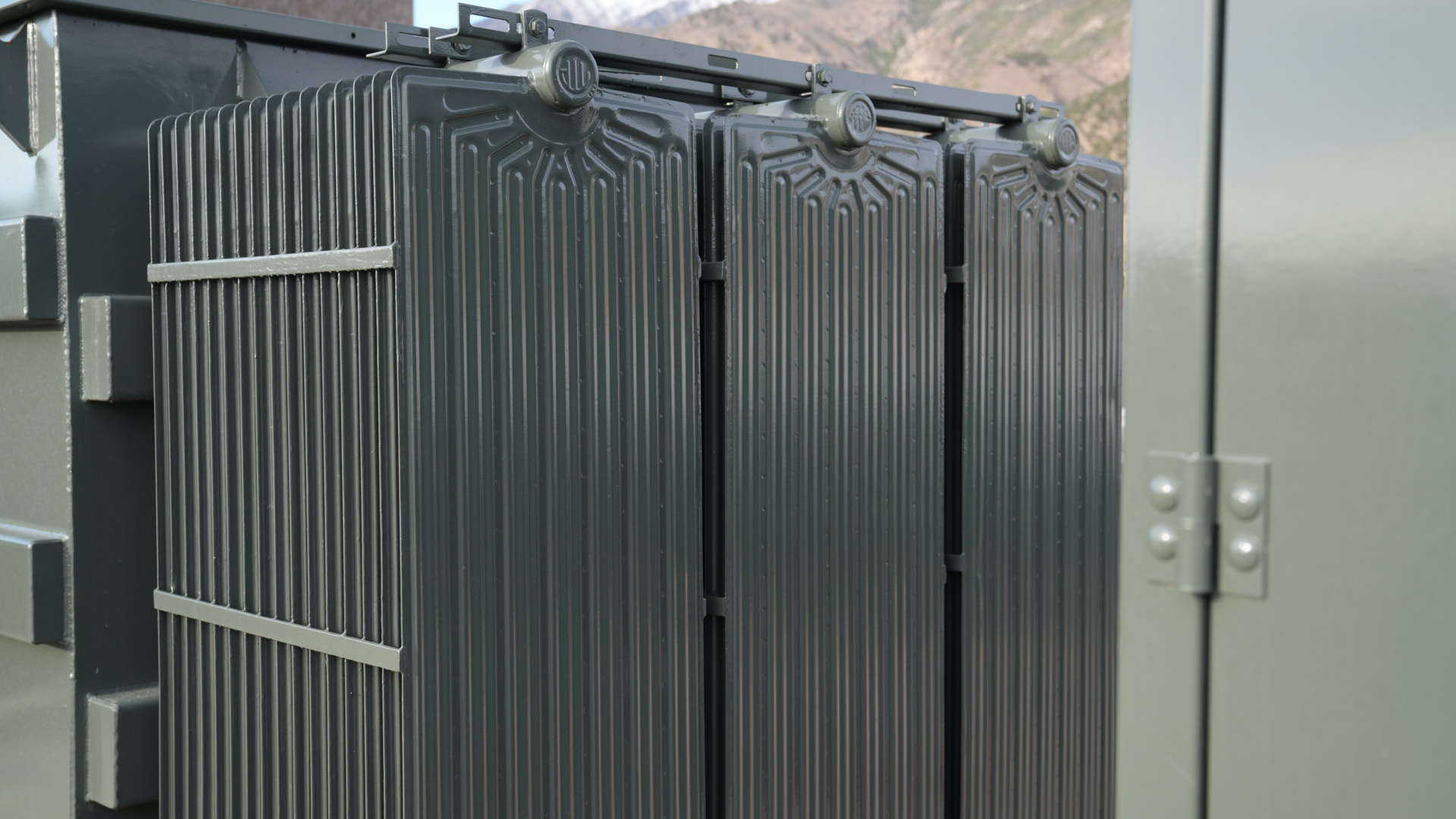
Insulating oil provides both cooling and dielectric protection, while radiators help dissipate heat during heavy loading conditions. Bushings, bayonet fuses, pressure relief devices, gauges, and switching equipment all contribute to safe operation and equipment protection.
Each component plays an important role in overall transformer reliability.
Choosing the Right Insulating Fluid
Most utility pad mounted transformers use mineral oil because of its proven reliability, thermal performance, and widespread acceptance throughout the electrical industry.
Some utilities and commercial customers instead specify biodegradable dielectric fluids such as FR3® fluid for applications where environmental considerations are especially important.
Each insulating fluid offers advantages depending on installation requirements, environmental regulations, and utility standards.
Matching the insulating fluid to project specifications helps ensure long-term performance and regulatory compliance.
New vs. Reconditioned Pad Mounted Transformers
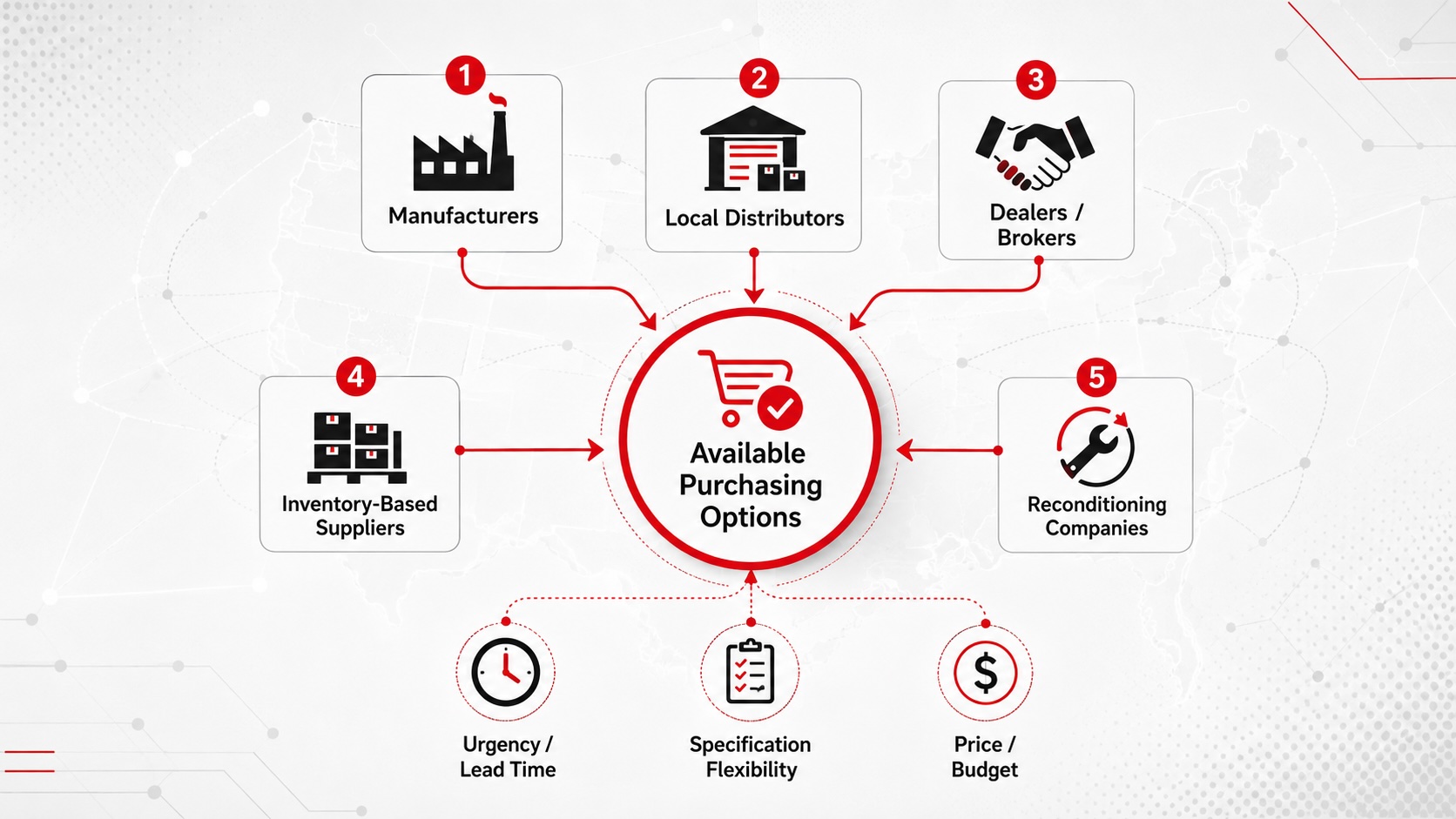
Extended manufacturing lead times have encouraged many utilities and contractors to consider professionally reconditioned equipment.
A properly reconditioned transformer undergoes inspection, testing, repairs, and refurbishment before returning to service. When completed according to recognized industry standards, reconditioned units can provide dependable long-term performance while significantly reducing delivery times.
For emergency replacements, purchasing available reconditioned inventory may restore service months sooner than waiting for new factory production.
Many organizations choose a combination of new and reconditioned equipment depending on project schedules and budget requirements.
Current Market Conditions and Lead Times
Transformer availability continues changing as utilities invest in grid modernization, renewable energy integration, manufacturing expansion, and infrastructure replacement.
Demand has increased substantially while manufacturers continue working through production schedules that remain longer than historical averages for many transformer types.
Although lead times vary by manufacturer and specification, buyers planning future projects should begin sourcing equipment as early as possible.
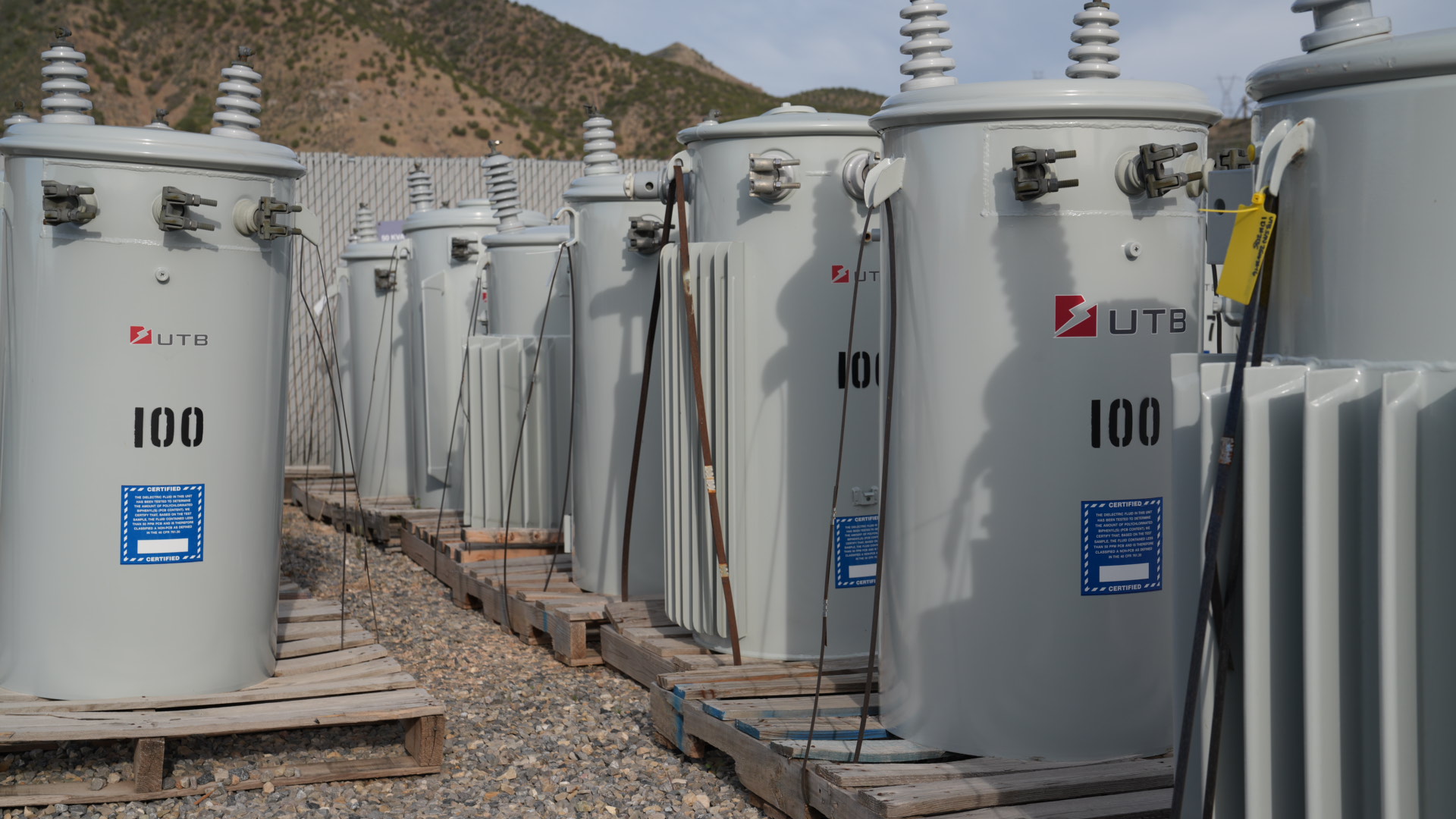
Organizations requiring immediate replacement equipment often benefit from suppliers maintaining available inventory.
Why Ready-to-Ship Inventory Matters
Unexpected transformer failures rarely occur on convenient schedules.
Storm damage, aging infrastructure, vehicle accidents, equipment failures, and expanding electrical demand can all create urgent replacement needs. Waiting several months for factory production may delay restoration efforts, postpone construction schedules, or increase project costs.
Maintaining access to ready-to-ship inventory helps utilities respond more quickly when unexpected situations arise.
At UTB Transformers, we work with utilities, municipalities, contractors, and industrial customers throughout North America to locate available pad mounted transformers that meet project requirements. Whether the need is new or professionally reconditioned equipment, our goal is helping customers reduce downtime and keep projects moving.
Questions Every Buyer Should Ask
Before purchasing a pad mounted transformer, buyers should confirm more than just the kVA rating and primary voltage.
Verify the required phase configuration, secondary voltage, BIL rating, cooling class, front style, feed configuration, tap arrangement, insulating fluid, and applicable utility standards. Reviewing these specifications early helps prevent compatibility issues and reduces delays during installation.
Working with an experienced transformer supplier can simplify this process and help identify available inventory that matches project requirements.
Partner with UTB Transformers
Whether you are replacing aging utility equipment, supporting a new underground distribution project, or responding to an emergency outage, choosing the right transformer supplier is just as important as selecting the transformer itself.
UTB Transformers supplies ready-to-ship pad mounted transformers for utility, commercial, municipal, and industrial applications across North America. Our team understands the challenges buyers face in today’s market and works to locate dependable equipment that meets both technical requirements and project timelines.
If you’re looking for a pad mounted transformer, contact UTB Transformers today. We’ll help you identify available inventory, answer specification questions, and provide a competitive quote so your project can move forward with confidence.