
In the U.S., data center energy consumption is expected to rise from 4% of total energy use in 2023 to nearly 12% by 2028. At the same time, overall electrical grid demand is projected to nearly triple by 2030. This surge in power demand is putting pressure on one critical piece of infrastructure fueling an already growing shortage: transformers.
A large AI data center can consume anywhere from 100 megawatts to over 1 gigawatt of power. That’s enough energy to power between 50,000 and 750,000 homes. Scaling power at this level requires significant transformer capacity, and it is one of the primary drivers behind the ongoing transformer shortage.
What Equipment Is Being Affected by the Transformer Shortage?
The transformer shortage is impacting nearly every category of electrical equipment tied to power distribution.
Data centers rely on multiple layers of transformers to operate efficiently. Power first enters at high voltage and is stepped down through substation transformers before moving through distribution transformers and finally reaching servers and cooling systems.
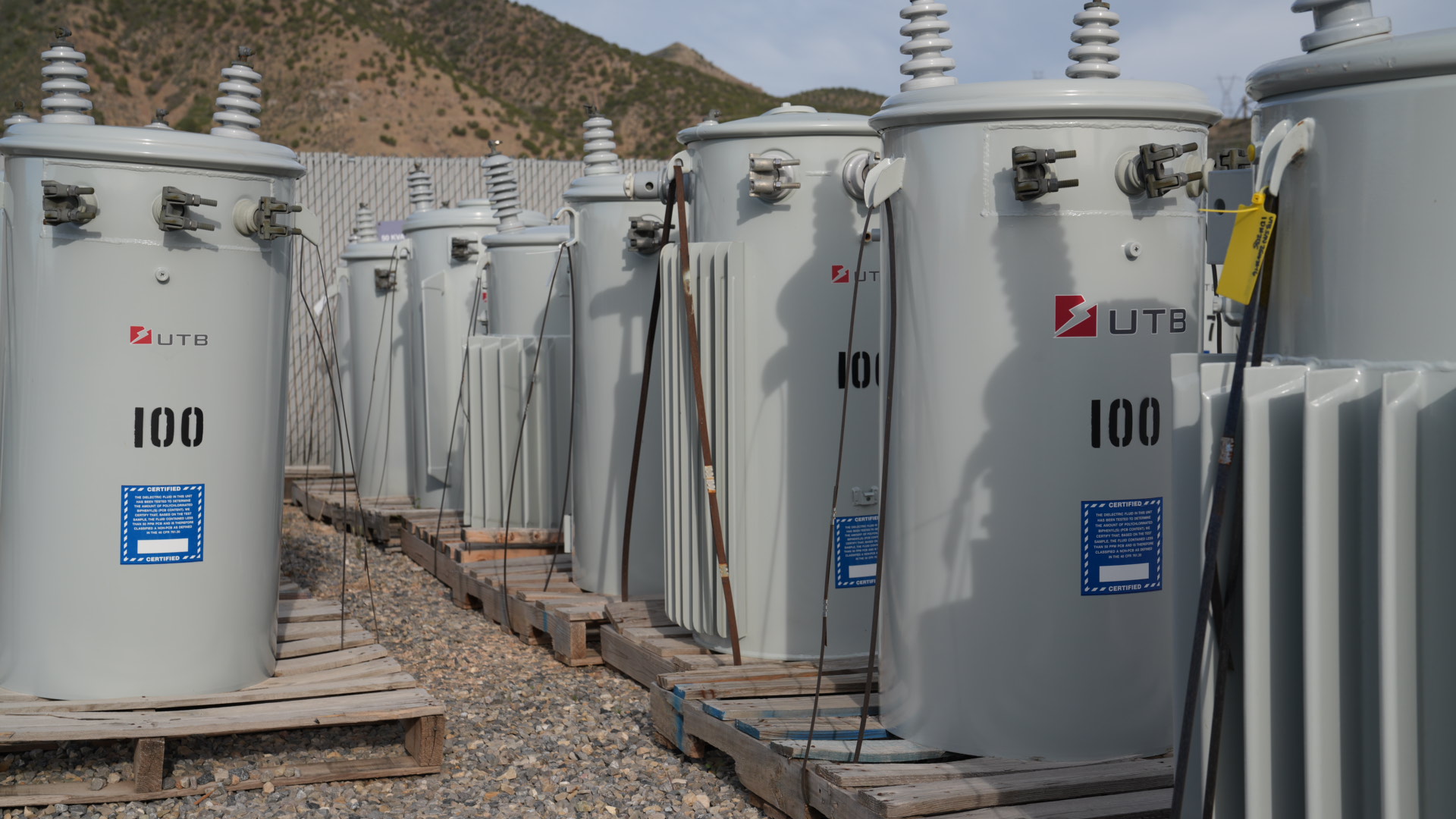
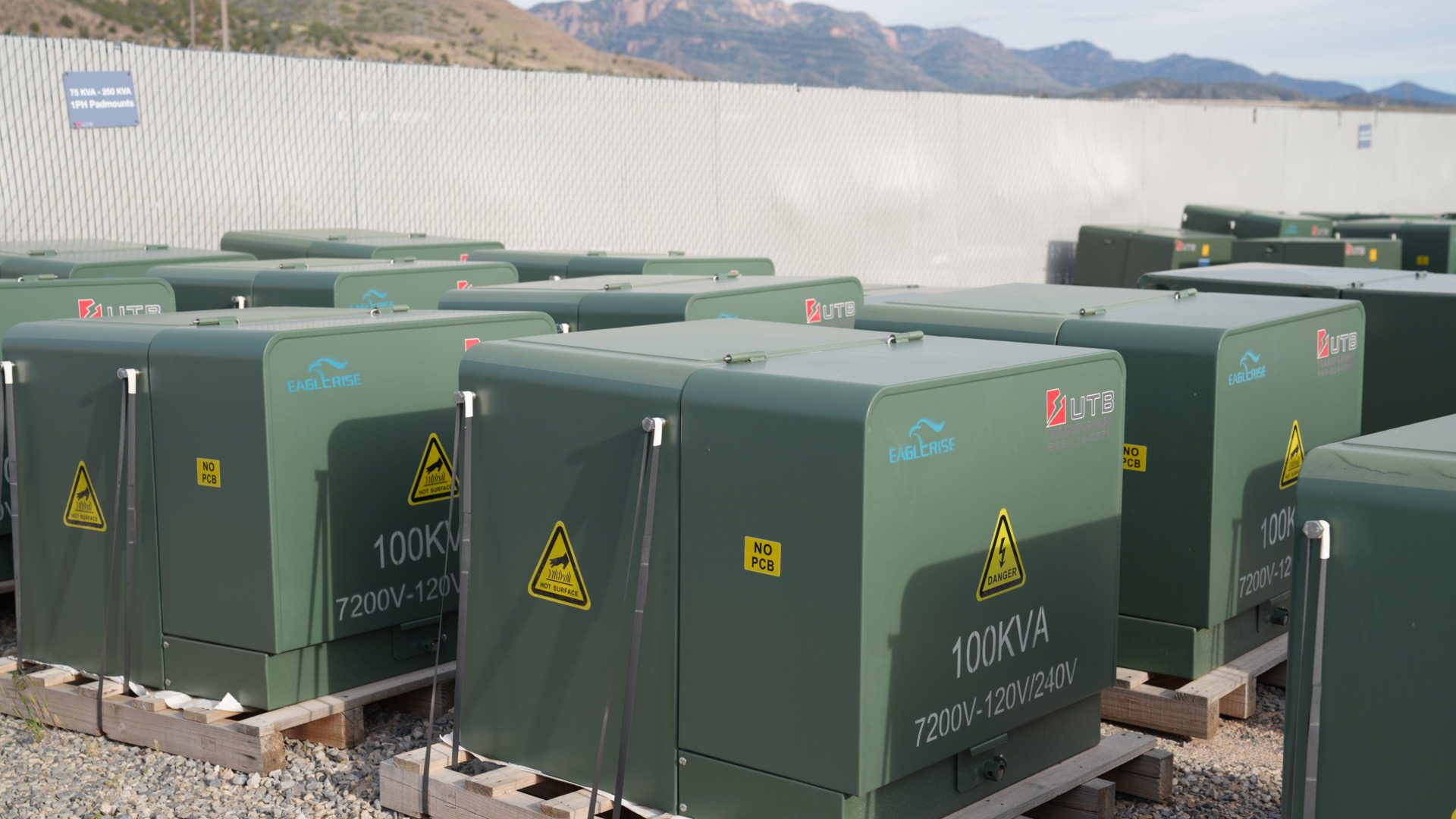
As demand increases, several types of transformers are becoming harder to source, including pad-mounted transformers, dry-type transformers, and large power transformers.
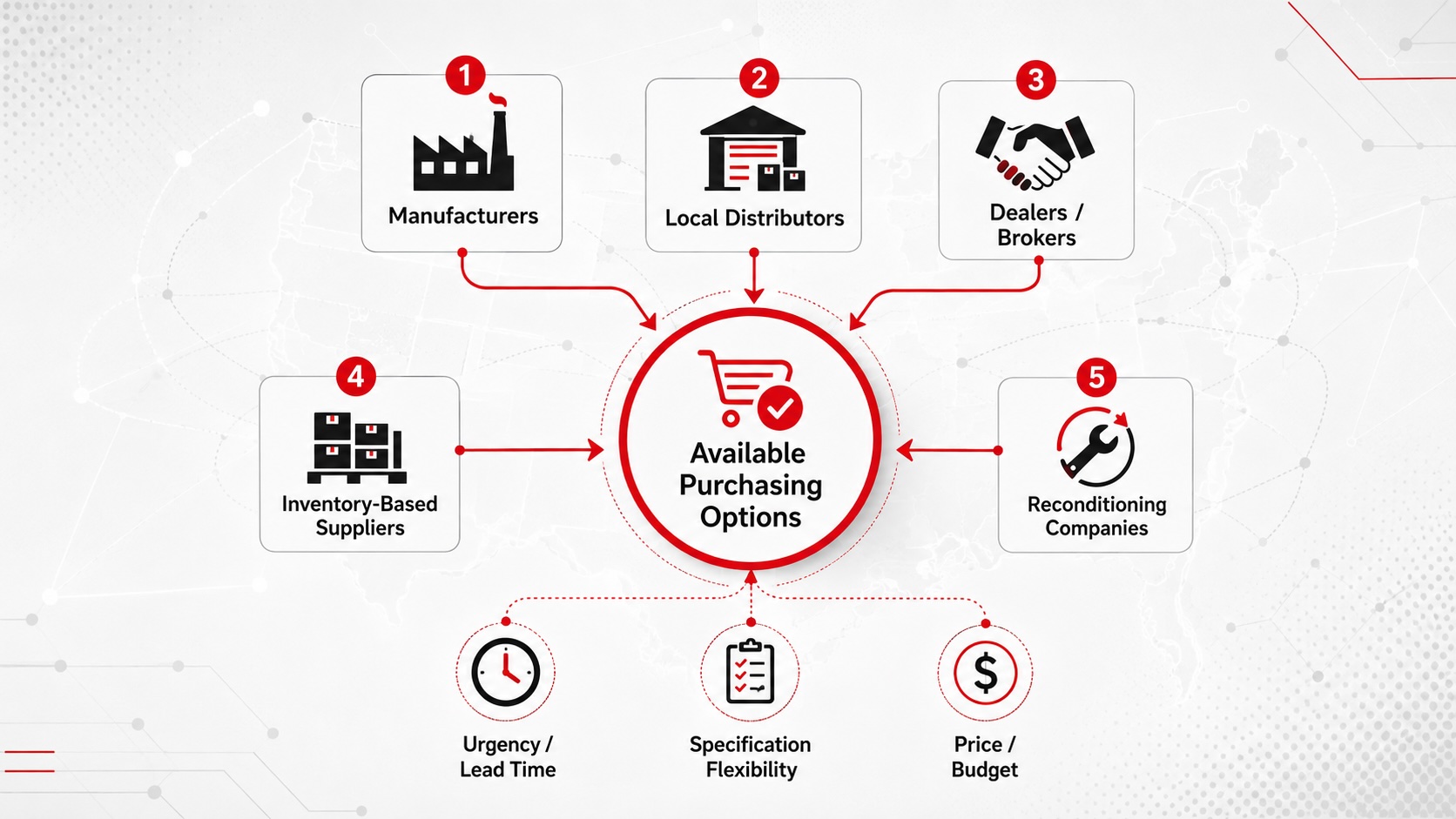
For companies actively sourcing equipment, this has made in-stock inventory and secondary market options more important than ever. Instead of waiting on extended factory lead times, many buyers are turning to suppliers that offer immediate availability of critical units.
Why AI Data Centers Are Causing a Transformer Shortage
The rise of AI is fundamentally changing how much power data centers require. Traditional data centers were already energy-intensive, but AI workloads demand significantly more computing power. Training AI models requires massive GPU clusters running continuously, increasing both electricity consumption and heat generation.
This creates a compounding effect on infrastructure. Higher power demand requires more transformers, increased heat output requires additional cooling systems, and greater redundancy requires duplicate electrical systems. Instead of relying on a few transformers, modern AI data centers require extensive electrical networks to maintain uptime and performance.
Because power infrastructure must be in place before operations begin, transformer demand is being pulled forward, accelerating the current shortage.
Transformer Manufacturing Constraints
One of the biggest reasons the transformer shortage continues is the limited ability to scale production. Transformers require specialized materials like copper windings and grain-oriented electrical steel, along with highly skilled labor. Making material supply and workforce availability tightly constrained.
Even as manufacturers expand, production timelines remain long. Custom transformers and large power units can take well over a year to produce. This is why many companies are now exploring alternative sourcing strategies. Often including refurbished and surplus transformers that can be deployed faster and are more widely available.
Competing Demand Is Worsening the Transformer Shortage
AI data centers are only part of the equation. Utilities are upgrading aging infrastructure. Renewable energy projects are scaling rapidly. Electric vehicle charging networks are expanding across the country. Industrial electrification is also increasing.
All of these sectors depend on transformers, and they are all pulling from the same limited supply chain. Large scale buyers often secure production capacity years in advance, making it even more difficult for smaller or time sensitive projects to secure equipment when needed.
Impact of the Transformer Shortage on Lead Times and Pricing
The most immediate effect of the transformer shortage is extended lead times. Many transformer orders now take significantly longer to fulfill than they did just a few years ago. Large or specialized units can take anywhere from 18 to 36 months.
Pricing has also increased due to material costs and demand pressure. For buyers, this creates a difficult decision: wait for new equipment or find available inventory that can meet project timelines.
Why the Secondary Market Is Becoming Essential
As lead times continue to increase, the secondary transformer market has become a critical solution. Reconditioned and surplus transformers provide a faster path to deployment, helping companies avoid costly delays.
However, not all suppliers offer the same level of quality. Proper testing, inspection, and certification are essential to ensure reliability. This is where working with an experienced supplier becomes important especially one that maintains ready-to-ship inventory and understands urgent project demands.
Reliability Risks During a Transformer Shortage
The transformer shortage is not just about availability, it also introduces risk. Transformers are critical infrastructure. A failure can lead to downtime, equipment damage, and financial loss. For data centers, even brief outages can have serious consequences.
This makes it essential to prioritize quality, testing, and compatibility when sourcing equipment. Balancing speed and reliability is one of the biggest challenges companies face in today’s market.
Long-Term Outlook for the Transformer Shortage
The transformer shortage is expected to continue as AI adoption accelerates. Data center expansion is still in its early stages, and power demand will continue to rise. At the same time, electrification and grid modernization efforts are increasing across multiple industries.
Although manufacturers are investing in new capacity, it will take years for supply to catch up. Until then, the transformer shortage will remain a key issue for buyers.
What the Transformer Shortage Means for Buyers
Companies that rely on transformers need to adapt their procurement strategies. Planning ahead is critical. Waiting until the last moment to purchase equipment can lead to delays, higher costs, and limited availability.
Successful companies are taking a more proactive approach by forecasting demand, securing inventory early, and working with suppliers who can provide flexible solutions.
Get Ahead of Transformer Lead Times
As the transformer shortage continues to impact projects across the country, having access to ready-to-ship inventory can make the difference between staying on schedule and facing costly delays.
At UTB Transformers, we specialize in sourcing and supplying in-stock, tested, and reliable transformers for immediate deployment. Whether you need pad-mounted, dry-type, or substation transformers, our team focuses on helping you secure the equipment you need—without extended lead times.
If your project can’t wait 12–24 months for new manufacturing, working with a supplier that has available inventory today is a strategic advantage.