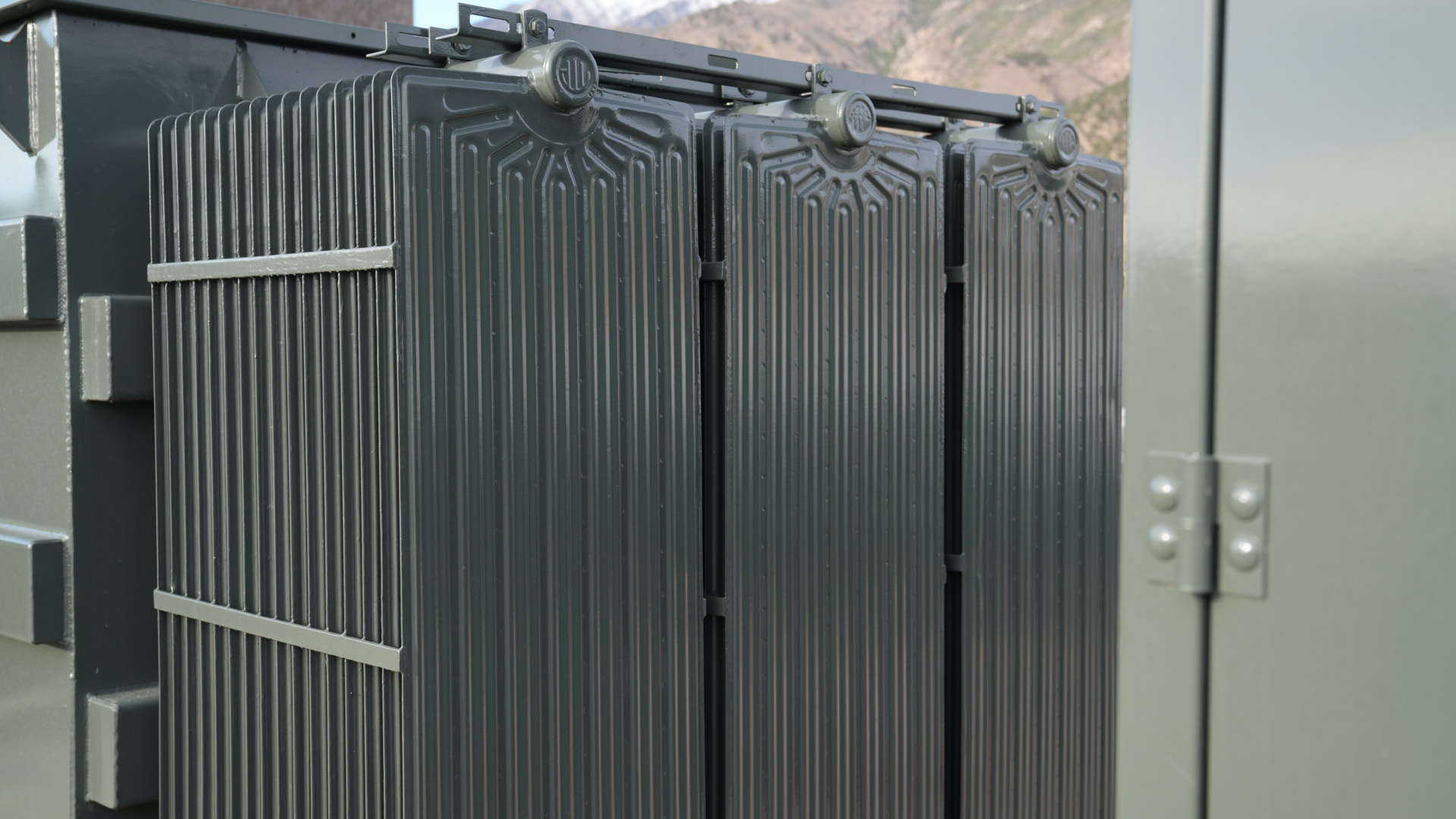

Across the United States, much of the electrical grid is operating on transformer infrastructure that was installed decades ago. Many utilities, industrial facilities, and municipalities are now dealing with transformers that are approaching or exceeding their intended service life. At the same time electrical demand continues to rise at a historic pace.
At the same time, the transformer industry is facing manufacturing backlogs, longer lead times, labor shortages, and increased material costs. Utilities are no longer resorting to replacing transformers immediately. Many organizations are now focused on extending equipment life, improving maintenance strategies, and sourcing available inventory wherever possible.
As AI data centers, renewable energy projects, and industrial expansion place increase grid strain, aging transformer infrastructure is becoming one of the biggest reliability challenges facing the power industry today.
Why So Many Transformers Are Aging at the Same Time
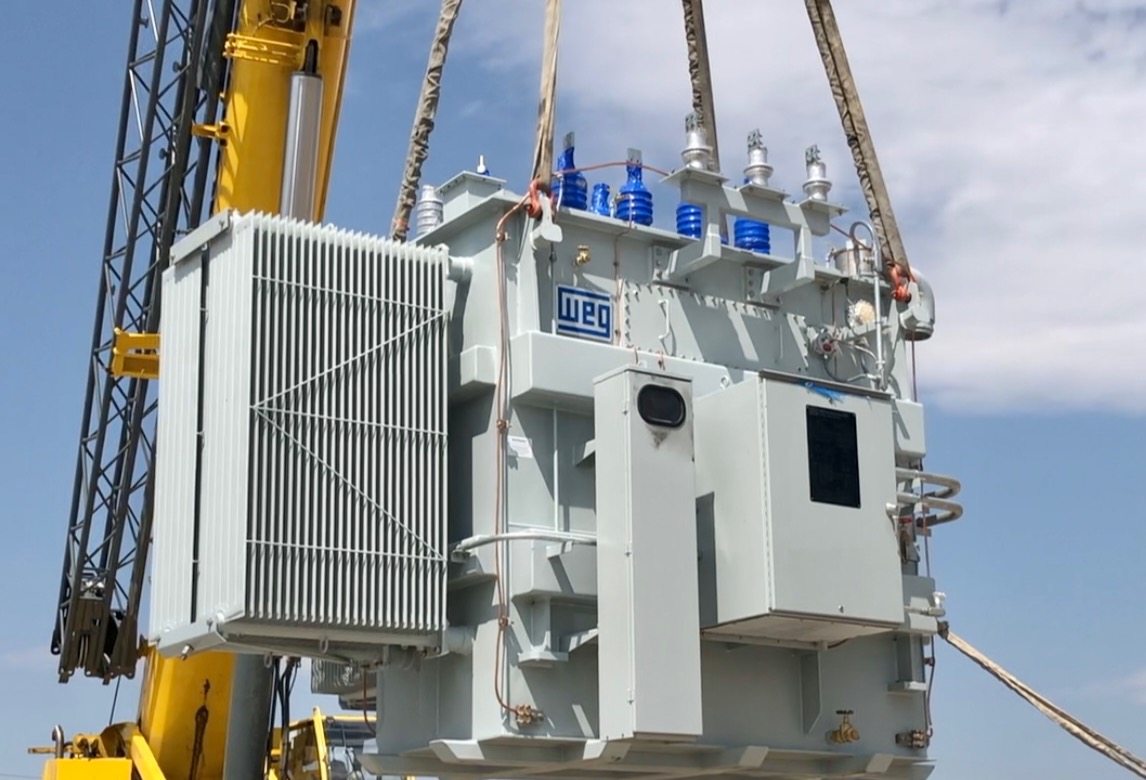
Much of the current U.S. grid infrastructure was developed during periods of rapid electrical expansion several decades ago. Large numbers of substation transformers, pad mounted transformers, and pole mounted transformers were installed during the same general time frame. This means many are now reaching the later stages of their operational lifespan simultaneously.
While transformers are designed for long-term service, age alone eventually impacts reliability. Heat, moisture, electrical stress, contamination, and fluctuating load demands gradually degrade insulation systems and internal components over time. Even well-maintained units eventually become more vulnerable to efficiency loss and failure.
Utilities are now balancing the challenge of maintaining older infrastructure while also supporting rapidly growing power demand from electrification, manufacturing, renewable energy integration, and AI-driven data center expansion.
Rising Electrical Demand Is Accelerating the Problem
Transformer aging would already present a challenge on its own, but increasing electrical demand is accelerating wear across the grid.
AI data centers require massive amounts of continuous power. There are new facilities being developed across multiple regions of the country. At the same time, electric vehicles, industrial automation, and renewable energy systems are adding new strain to existing electrical infrastructure.
Many transformers currently operating on the grid were not originally designed for today’s load requirements. Increased loading creates additional heat inside the transformer, which accelerates insulation deterioration and shortens equipment life expectancy.
Utilities are now being forced to make difficult decisions about which transformers should be upgraded, repaired, rewound, or replaced first.
Long Lead Times Are Changing Electrical Utility Strategies
One of the biggest issues impacting the transformer industry today is equipment availability. Lead times for new transformers have increased significantly in recent years. This is due to manufacturing demand, supply chain constraints, and shortages of critical materials.
For utilities and industrial facilities, waiting extended periods for replacement transformers is not always realistic. Unexpected transformer failures can create major operational disruptions, especially for critical infrastructure and large industrial operations.
Because of this, many organizations are shifting toward strategies focused on extending the life of existing equipment whenever possible. Preventive maintenance, oil testing, reconditioning, and transformer rewinding have all become increasingly important as companies attempt to avoid unplanned outages while navigating supply limitations.
Reconditioned Transformers Are Seeing Increased Demand
As new transformer lead times continue to remain elevated, reconditioned transformers are becoming a more common solution throughout the industry.
Properly reconditioned transformers can often provide years of reliable service at a significantly lower cost than purchasing new equipment. Reconditioning typically involves inspection, cleaning, oil processing, component replacement, electrical testing, and repairs designed to restore operational reliability.
For many utilities and contractors, reconditioned inventory also provides a faster solution during emergency replacement situations where minimizing downtime is critical.
This shift has changed how many organizations view used and reconditioned transformer equipment. Instead of being considered only a temporary option, properly tested reconditioned transformers are increasingly viewed as a strategic part of long-term infrastructure planning.
Preventive Maintenance Is Becoming More Important
Utilities are also investing more heavily in preventive maintenance programs to maximize transformer lifespan and reduce failure risk.
Routine maintenance helps identify developing issues before they become major operational problems. Oil analysis, dissolved gas testing, infrared inspections, and load monitoring all help utilities evaluate transformer condition and prioritize repairs before catastrophic failures occur.
Condition-based monitoring has become especially important for older transformer fleets where replacement budgets may be limited and equipment availability remains uncertain.
Rather than operating transformers until failure, utilities are increasingly using maintenance data to make proactive decisions about repairs, rewinding, refurbishment, and replacement timing.
The Electrical Industry Is Entering a Major Infrastructure Transition
The electrical industry is entering a period where aging infrastructure and rising power demand are colliding at the same time. Utilities are attempting to modernize the grid while also managing equipment shortages, rising costs, and increasing reliability expectations.
Over the next decade, transformer availability, infrastructure investment, and maintenance strategy will likely become even more important as power consumption continues to increase nationwide.
Organizations that proactively plan for aging transformer infrastructure today will be in a stronger position to reduce downtime, improve reliability, and respond more effectively to future electrical demand growth.
Reliable Transformer Inventory Matters More Than Ever
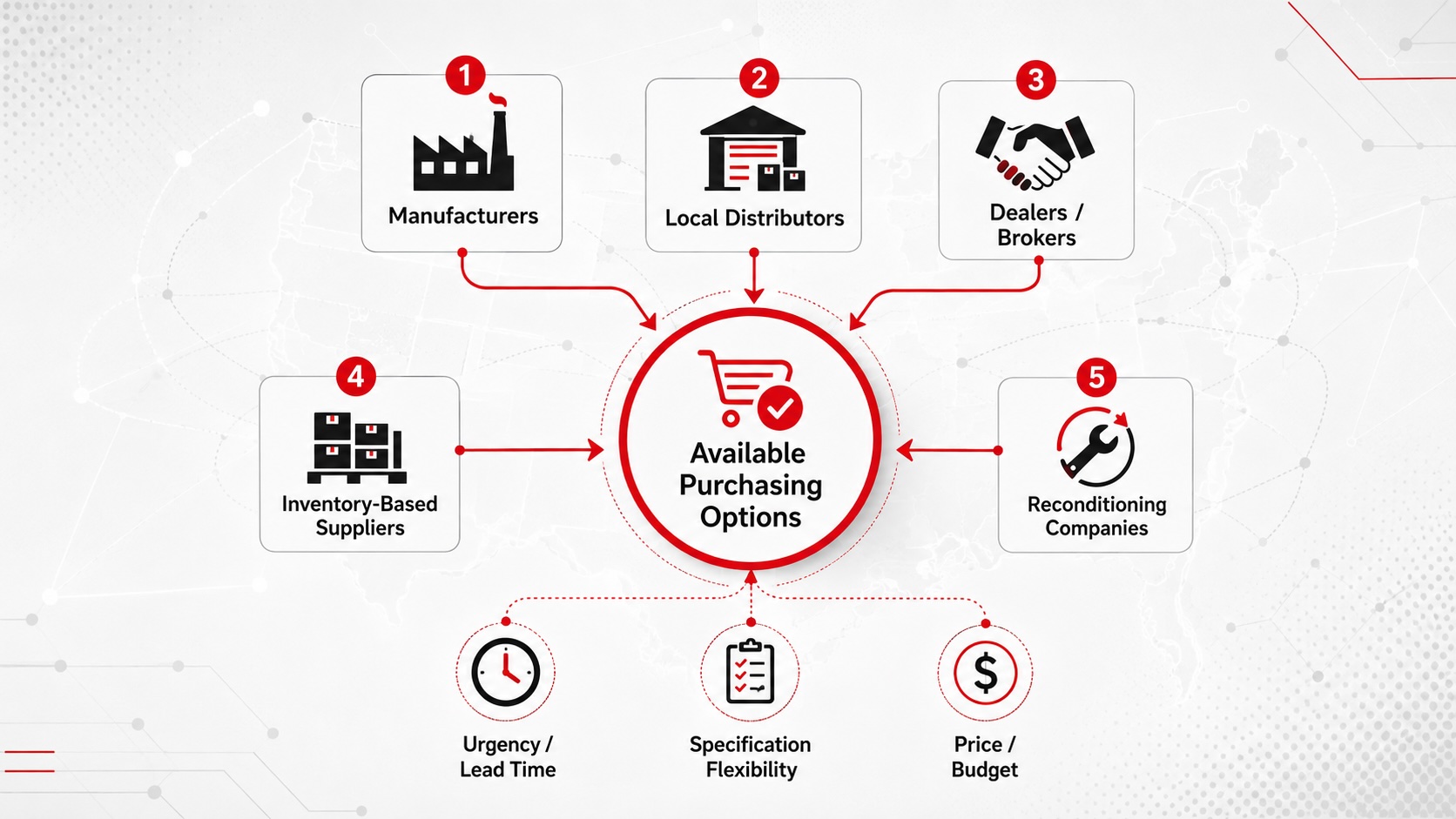
Whether for utilities, industrial facilities, renewable energy projects, or emergency replacement situations, access to reliable transformer inventory has become increasingly important throughout the industry.
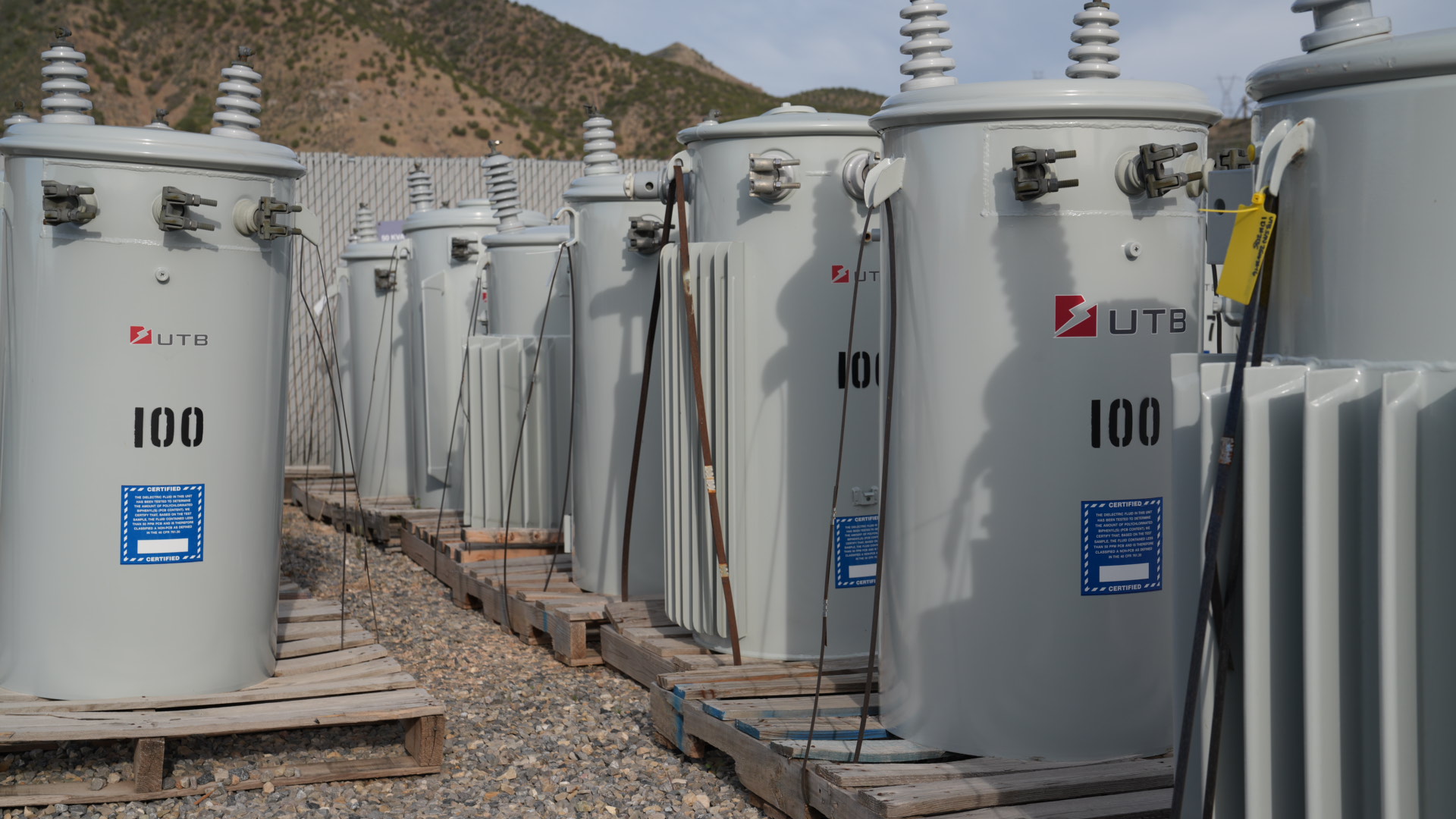
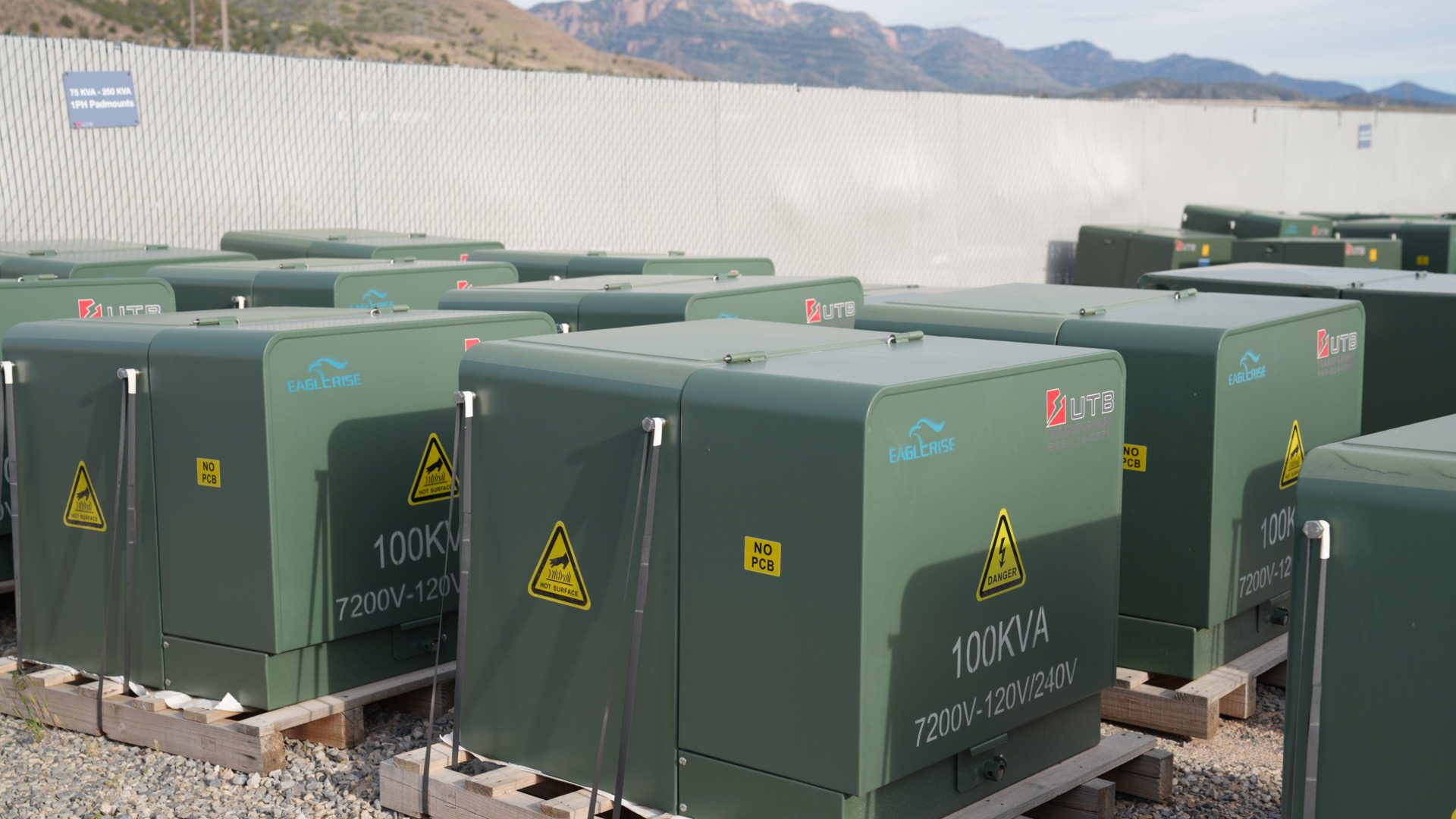
UTB Transformers supplies new, used, and reconditioned transformers for customers nationwide, helping utilities, contractors, and industrial operations reduce downtime and source available equipment faster.