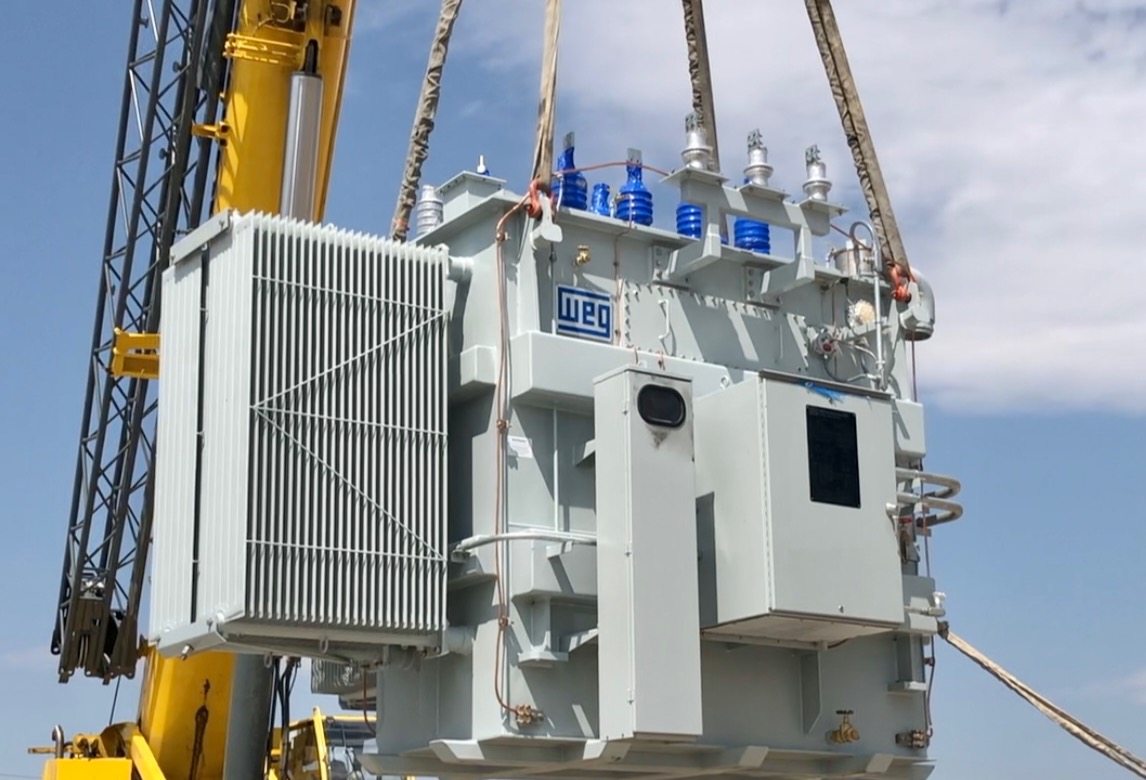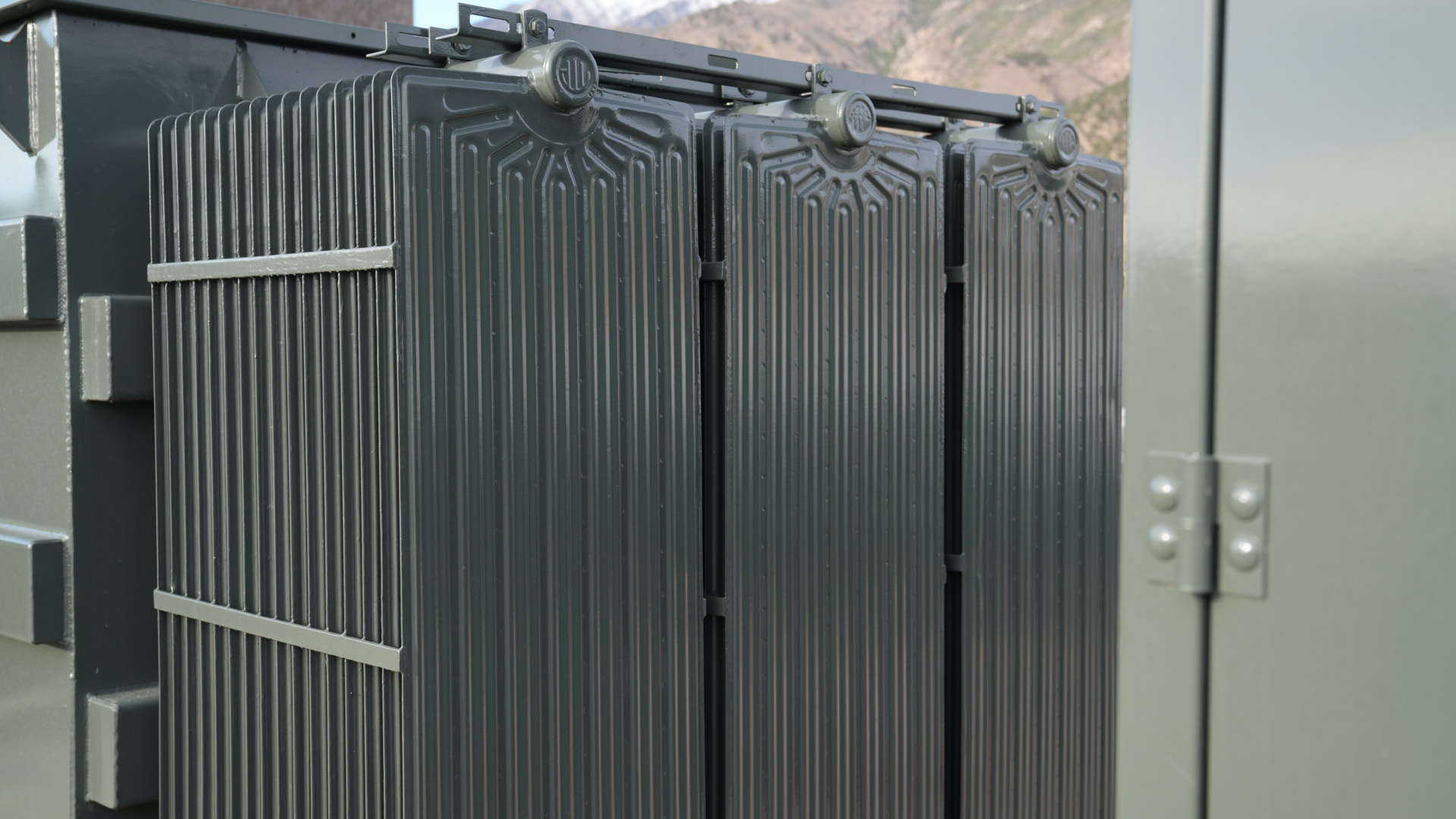

Substation transformers are one of the most important components in modern electrical infrastructure. They sit at the center of power distribution systems, stepping voltage up or down so electricity can move efficiently from generation sources to homes, businesses, and industrial facilities. Because of their critical role, they are also some of the most difficult pieces of equipment to source quickly when they are needed.
That is why so many contractors, utility companies, and industrial buyers search online for substation transformers for sale. In many cases they are not planning ahead months in advance, they are dealing with project deadlines, unexpected equipment failures, or urgent expansion needs. When that happens, availability becomes the most important factor in the entire purchasing decision.
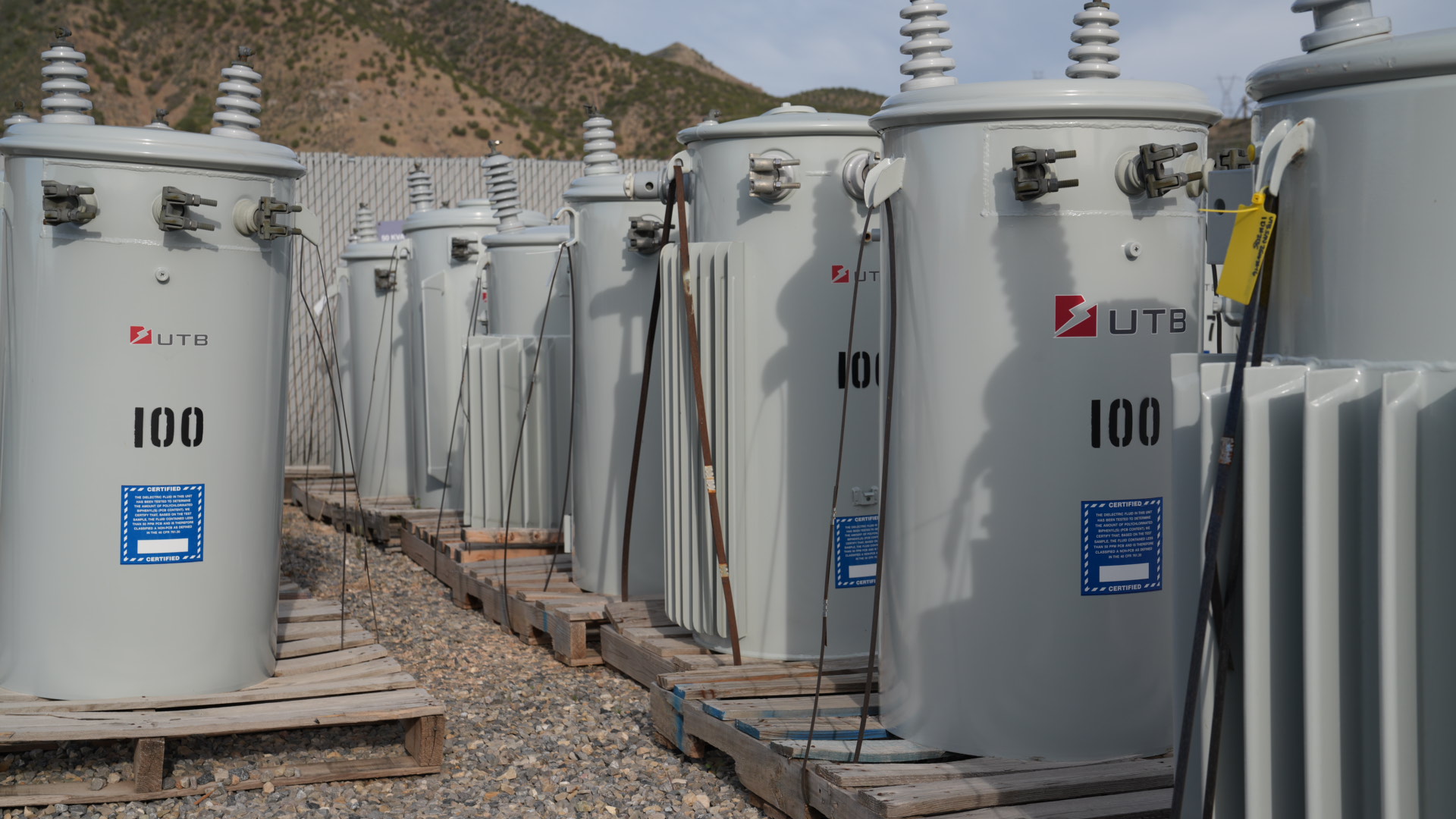
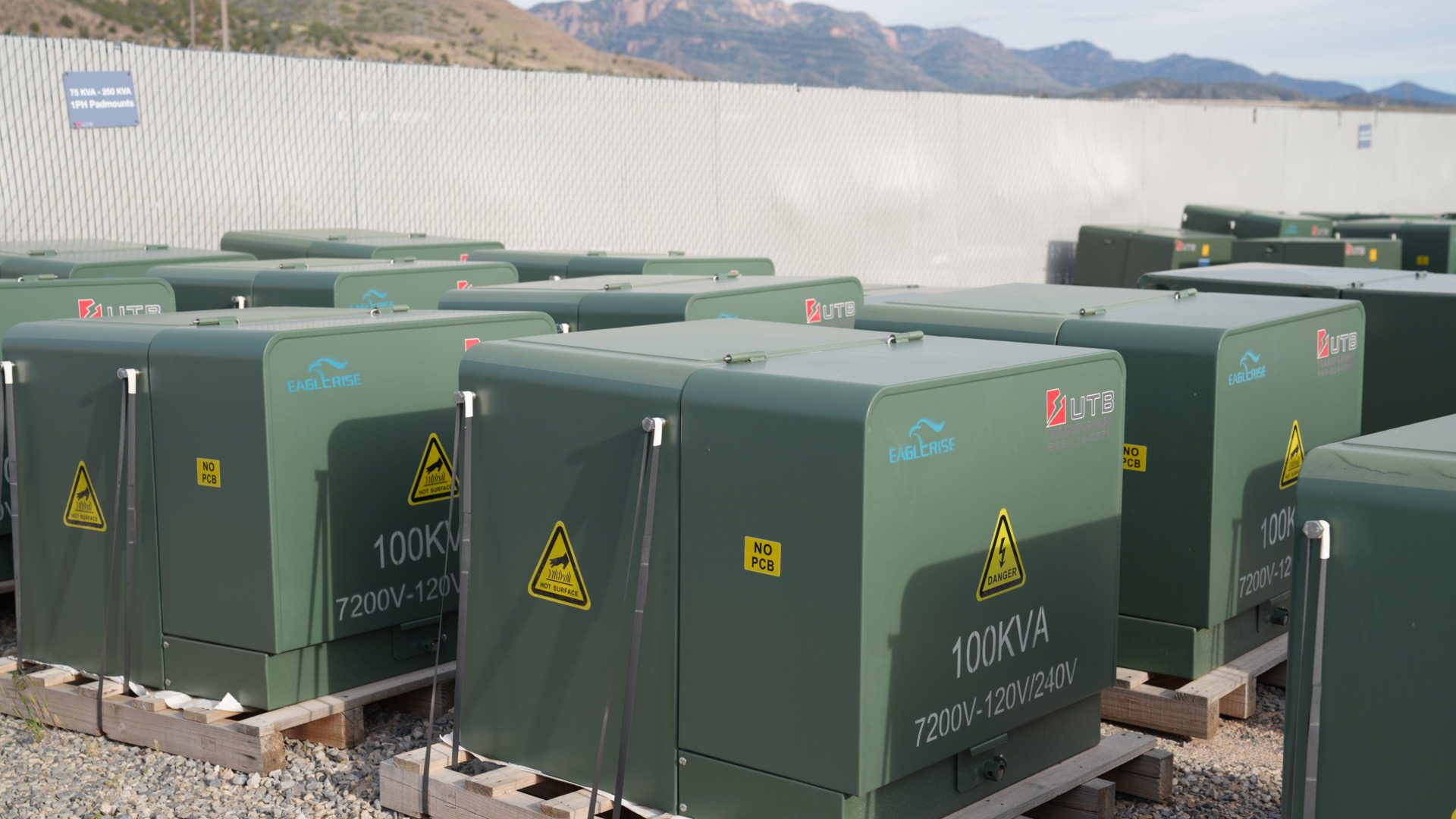
At UTB Transformers, buyers often look for ready to ship transformer inventory that can help reduce downtime and keep projects on schedule when new manufacturing lead times are simply too long.
Understanding What a Substation Transformer Does
A substation transformer is designed to transfer electrical energy between different voltage levels within a power system. It connects transmission networks to distribution networks and ensures electricity is delivered safely and efficiently across long distances.
In simple terms, electricity generated at power plants must be transmitted at very high voltages to reduce energy loss. Once it reaches population centers or industrial zones, it must be stepped down to safer, usable levels. Substation transformers perform this function continuously, acting as the bridge between high-voltage transmission lines and lower-voltage distribution systems.
Without them, modern electrical grids would not function reliably. Their role is foundational to utilities, industrial operations, and large-scale infrastructure projects.
Why Buyers Search for Substation Transformers for Sale
Most people searching for substation transformers for sale are doing so because they have an immediate or time sensitive need. Unlike smaller electrical components, these transformers are not typically stocked in local warehouses, and new units often require long manufacturing timelines.
One of the most common reasons buyers enter the market is unexpected equipment failure. When a transformer goes down, entire systems can be affected, and downtime can become extremely expensive. In these situations, waiting months for a new build is not realistic.
Another major driver is construction and infrastructure scheduling. Utility projects, commercial developments, and industrial expansions are often planned around strict timelines. If transformer delivery is delayed, the entire project can be impacted.
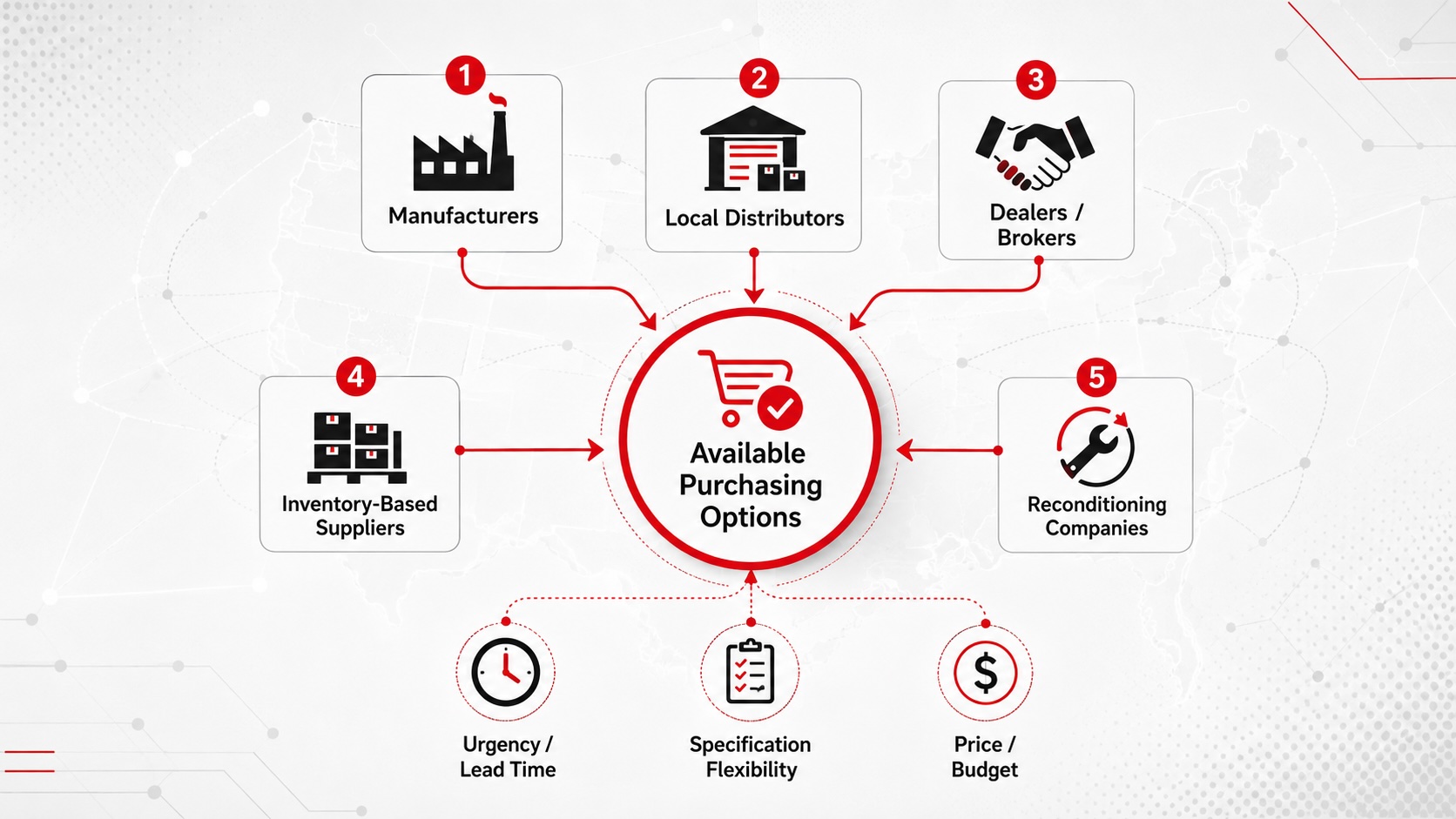
Cost is also a consideration, but it is usually secondary to speed and availability. Many buyers are willing to consider used or reconditioned options if it means getting equipment operational faster.
Types of Substation Transformers Available in the Market
When buyers begin searching for substation transformers for sale, they quickly discover that there are several different types available, each designed for specific applications and system requirements.
Power substation transformers are the most common category. These are large capacity units used in transmission and distribution systems, often handling significant voltage levels and continuous load conditions.
Step-up transformers are typically used near generation sites to increase voltage for efficient long-distance transmission. Step-down transformers perform the opposite function, reducing voltage for safe distribution to end users.
Each type serves a specific role within the electrical grid, and selecting the right one depends heavily on system design, load requirements, and installation conditions.
Key Specifications That Matter Most
Choosing the right substation transformer requires careful attention to technical specifications. One of the most important factors is voltage rating, since the transformer must match both incoming and outgoing system requirements.
Another critical specification is MVA or KVA rating, which determines how much electrical load the transformer can handle. Undersizing can lead to overheating or system failure, while oversizing can increase unnecessary cost and inefficiency.
Phase configuration is also important, especially in industrial and utility applications where three-phase power systems are standard.
Cooling systems play a major role in performance and reliability. Common cooling methods include ONAN, ONAF, and OFAF systems, each designed for different load and environmental conditions.
Installation type must also be considered, since substation transformers are typically installed outdoors in fenced utility yards or dedicated infrastructure sites.
Getting any of these specifications wrong can lead to serious operational issues, which is why many buyers rely on experienced suppliers for guidance.
Where Substation Transformers Are Used
Substation transformers are used across nearly every major industry that depends on stable, large-scale electrical distribution. Utility companies rely on them to move power across transmission and distribution networks. Without them, grid stability would not be possible. Industrial facilities use substation transformers to support heavy machinery, production systems, and continuous operations that require stable voltage. Data centers also depend heavily on these systems, since even minor power interruptions can result in significant operational and financial losses.
Oil and gas operations often use substation transformers in remote environments where reliable power distribution is critical to safety and production. Renewable energy projects such as wind and solar farms also depend on substation transformers to integrate generated power into the wider electrical grid.
As global electricity demand continues to increase, these applications are expanding rapidly across all sectors.
Why Availability Has Become a Major Challenge
One of the biggest issues in the transformer market today is availability. Demand for electrical infrastructure has increased significantly, while manufacturing capacity has struggled to keep pace.
Several factors are contributing to this imbalance. Grid modernization projects are accelerating across the United States. At the same time, data center expansion is driving unprecedented demand for reliable power infrastructure. Renewable energy development is also adding new load requirements to existing systems. Material shortages, particularly copper and steel, have further complicated manufacturing timelines. As a result, new substation transformers can take months or even longer to produce.
This has made ready to ship and surplus inventory significantly more valuable for buyers who cannot afford long delays.
Used and Reconditioned Options
When searching for substation transformers for sale, buyers will often come across both used and reconditioned options.
Used transformers are typically sold in their existing condition after inspection. These units may still perform reliably depending on their maintenance history and operating environment.
Reconditioned transformers go through a more detailed process that may include testing, repairs, cleaning, repainting, and component replacement. These units are often more reliable and provide greater long-term confidence for critical applications.
The choice between used and reconditioned equipment depends on budget, urgency, and system requirements.
Why Speed Matters More Than Ever
In today’s electrical infrastructure environment, speed has become just as important as price. A delayed transformer delivery can result in project shutdowns, utility disruptions, or costly downtime.
For contractors and facility operators, waiting for new manufacturing is often not an option. Every day of delay can increase costs through labor downtime, missed deadlines, or temporary power solutions.
This is why many buyers now prioritize suppliers with immediate inventory availability rather than custom manufacturing timelines.
Choosing the Right Supplier
Selecting the right supplier is just as important as selecting the transformer itself. A reliable supplier should provide tested inventory, clear specifications, and fast response times.
Experience in the electrical equipment industry also matters, since substation transformers require technical understanding to ensure proper matching and safe operation. Suppliers with strong inventory networks are often able to source equipment faster and provide better options for urgent requirements.
Substation transformers are essential to modern electrical infrastructure, and sourcing them efficiently has become increasingly important as demand continues to rise. Whether for utility expansion, industrial operations, or emergency replacement, buyers must focus on availability, specification accuracy, and supplier reliability.
The market for substation transformers for sale is becoming more competitive as infrastructure growth accelerates, making access to ready inventory a major advantage. Working with a trusted supplier helps reduce delays, control costs, and ensure projects stay on schedule even under tight timelines.
For buyers looking for substation transformers, UTB Transformers provides access to available inventory and sourcing support designed to keep critical projects moving forward.