Transformers are fundamental to modern electrical systems, enabling efficient power transmission and distribution by stepping voltage levels up or down as needed. From utility grids to industrial facilities and commercial buildings, they ensure electricity is delivered safely and reliably. While transformer ratings and efficiency are often emphasized, one of the most practical distinctions in real-world applications is the difference between the source side and the load side. Understanding this distinction is essential for proper system design, protection, and maintenance.
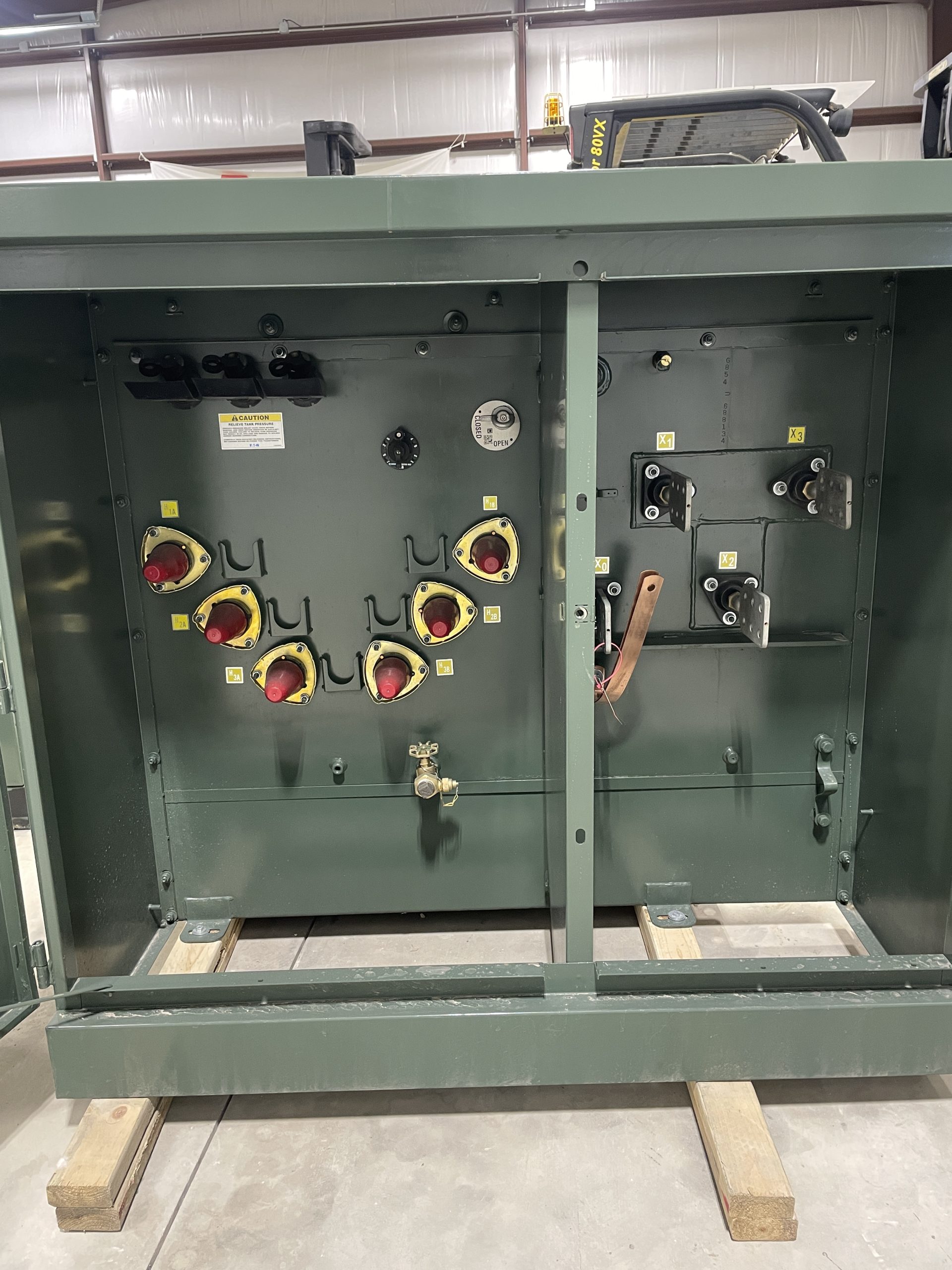
At its core, a transformer consists of primary and secondary windings that are magnetically coupled while remaining electrically isolated. The primary winding typically receives power, and the secondary delivers it. However, in applied settings, the terms “source side” and “load side” provide a more functional perspective. The source side refers to the portion of the transformer connected to the incoming power supply such as a utility feed, generator, or upstream transformer while the load side refers to the portion connected to equipment that consumes power. This includes anything from industrial motors to lighting systems and residential loads. This distinction is not just semantic; it directly influences how systems are engineered, protected, and operated.
The source side is critical because it defines the incoming electrical conditions that the transformer must handle. Voltage level, available fault current, and system stability all originate from this side. Because it is tied directly to the upstream supply, the source side is often exposed to higher fault energy and requires carefully coordinated protection devices such as breakers and fuses. Engineers must account for these characteristics when specifying transformer ratings, insulation levels, and impedance. Any irregularities on the source side such as voltage fluctuations, harmonics, or phase imbalance can propagate through the transformer and affect overall performance.
Safety and maintenance procedures also heavily depend on the source side. Proper isolation of incoming power is essential to ensure safe working conditions, making lockout/tagout practices particularly focused on this side of the transformer. Grounding schemes are often referenced to the source side as well, helping stabilize the system and reduce the risk of electrical hazards. In troubleshooting scenarios, the source side is typically the first checkpoint. Verifying voltage quality and system integrity upstream can quickly determine whether an issue originates outside the transformer or within it.
The load side, by contrast, reflects how electrical energy is actually used, and it plays an equally important role in transformer performance. The type and behavior of connected loads directly influence efficiency, heating, and overall lifespan. Resistive, inductive, and nonlinear loads all interact differently with transformer windings. Nonlinear loads, such as variable frequency drives or electronic power supplies, can introduce harmonics that lead to additional losses and thermal stress. Understanding these conditions is essential when selecting and applying transformers in modern systems.
Load management is another key consideration on the load side. In three-phase systems, uneven load distribution can cause inefficiencies, increased losses, and overheating. Proper balancing ensures that the transformer operates within its intended limits and maximizes its service life. Voltage regulation is also closely tied to the load side, as variations in demand can cause voltage drops across the transformer’s impedance. Maintaining stable output voltage is critical for sensitive equipment, and in some cases, additional regulation methods may be required to ensure consistent performance.
Protection strategies on the load side focus on downstream issues such as overloads, short circuits, and ground faults within connected equipment. These protective devices must be coordinated with those on the source side to ensure selective operation, minimizing disruption by isolating only the affected portion of the system. Monitoring load conditions including current, power factor, and harmonic content provides valuable insight into system health. Persistent overloading or poor power quality can indicate problems that, if left unaddressed, may lead to premature transformer failure.
Ultimately, the source side and load side of a transformer represent two halves of a single system, each with distinct but interconnected responsibilities. The source side establishes the electrical environment, while the load side defines the demand placed on the transformer. A clear understanding of both is essential for designing reliable systems, implementing effective protection schemes, and maintaining safe operations. By recognizing how these sides interact, engineers and technicians can make better decisions that improve performance, extend equipment life, and ensure the dependable delivery of electrical power.