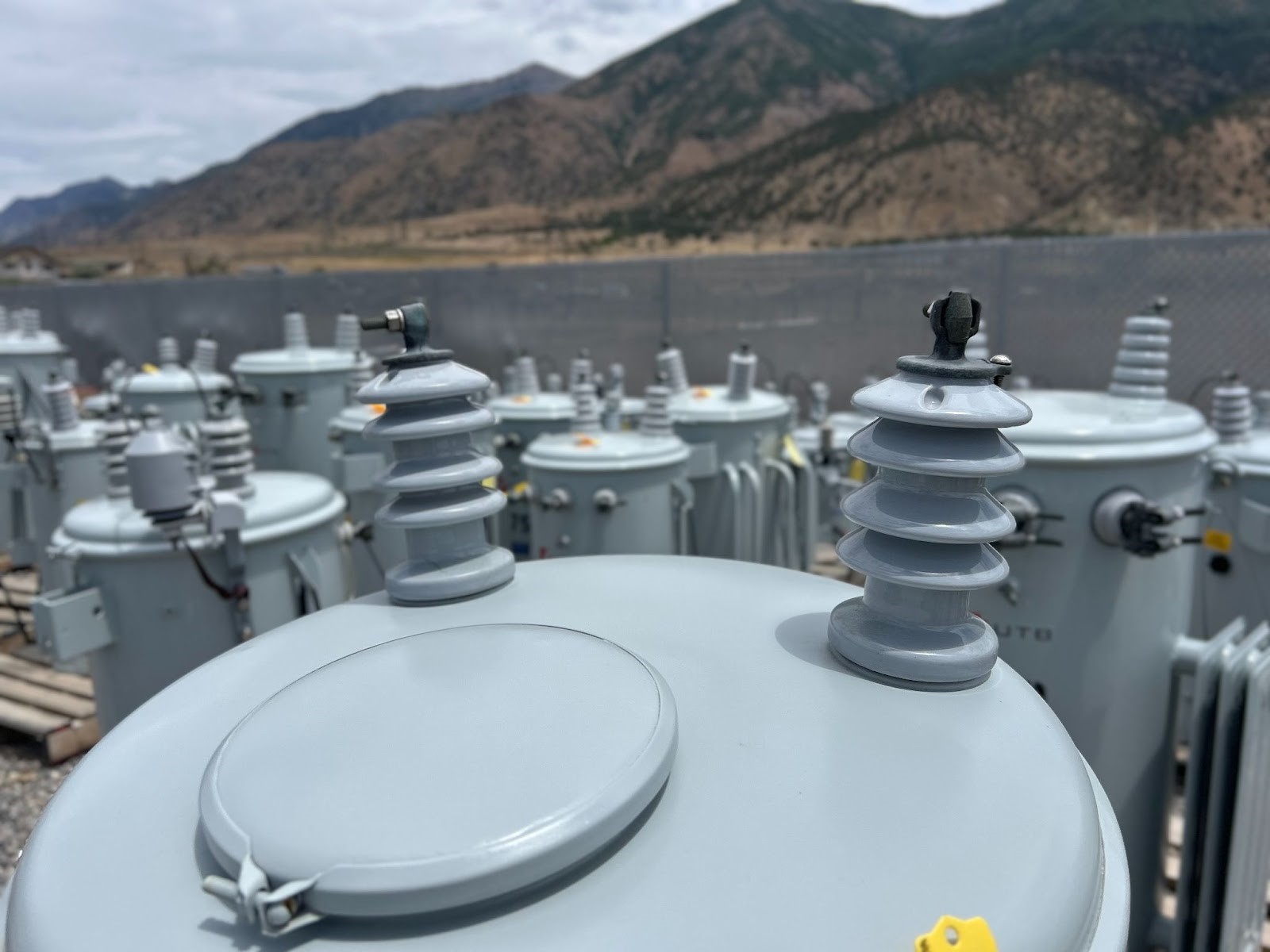
When it comes to choosing between pad-mounted and pole-mounted transformers, the decision is rarely about which option is “better” in a general sense. Instead, it hinges on context. Environment, load requirements, safety considerations, aesthetics, maintenance access, and long-term infrastructure planning all play critical roles. Both transformer types are integral to electrical distribution systems, yet they are designed for very different deployment scenarios. Understanding their differences is key to making the right selection for a given application.
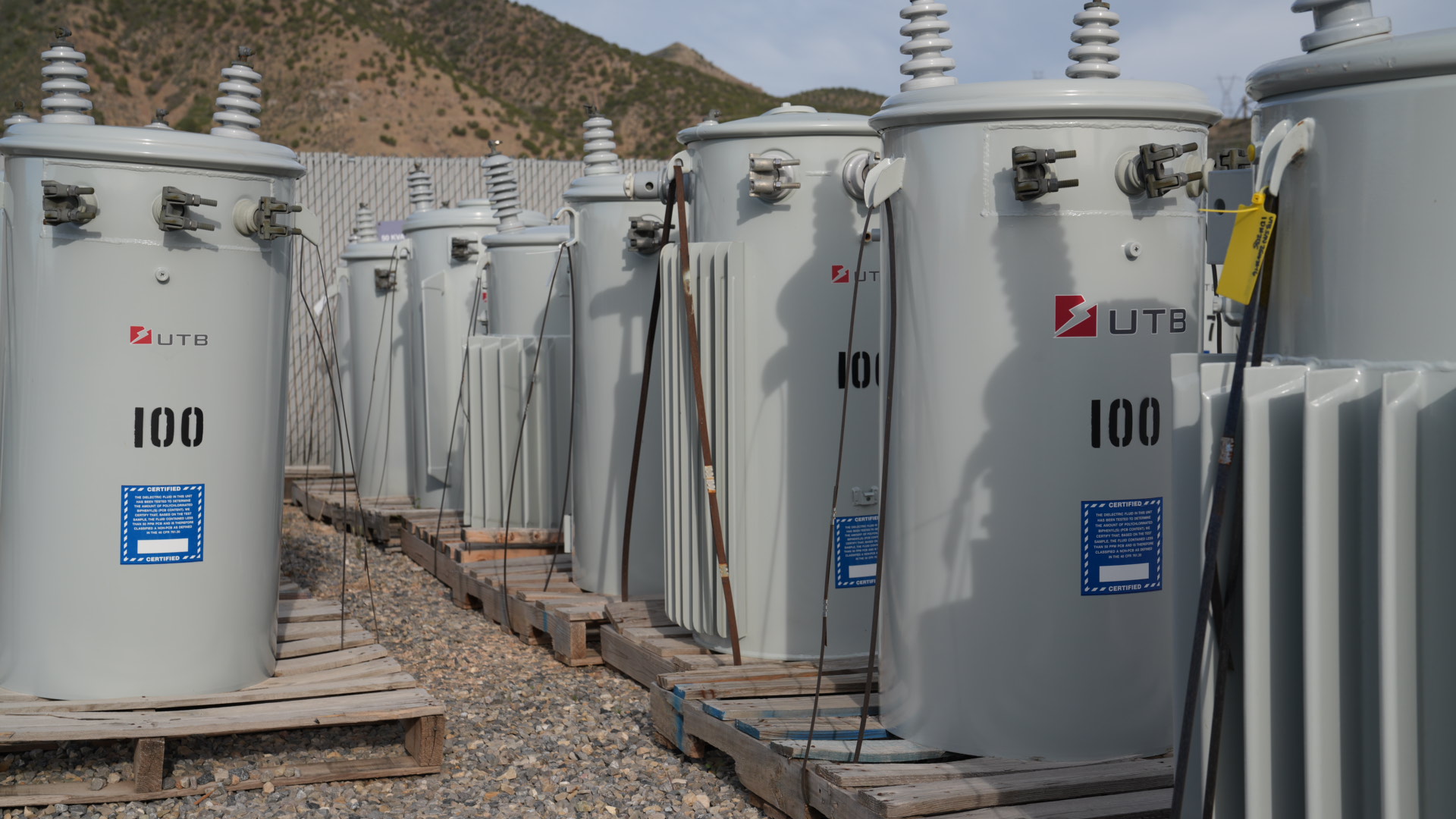
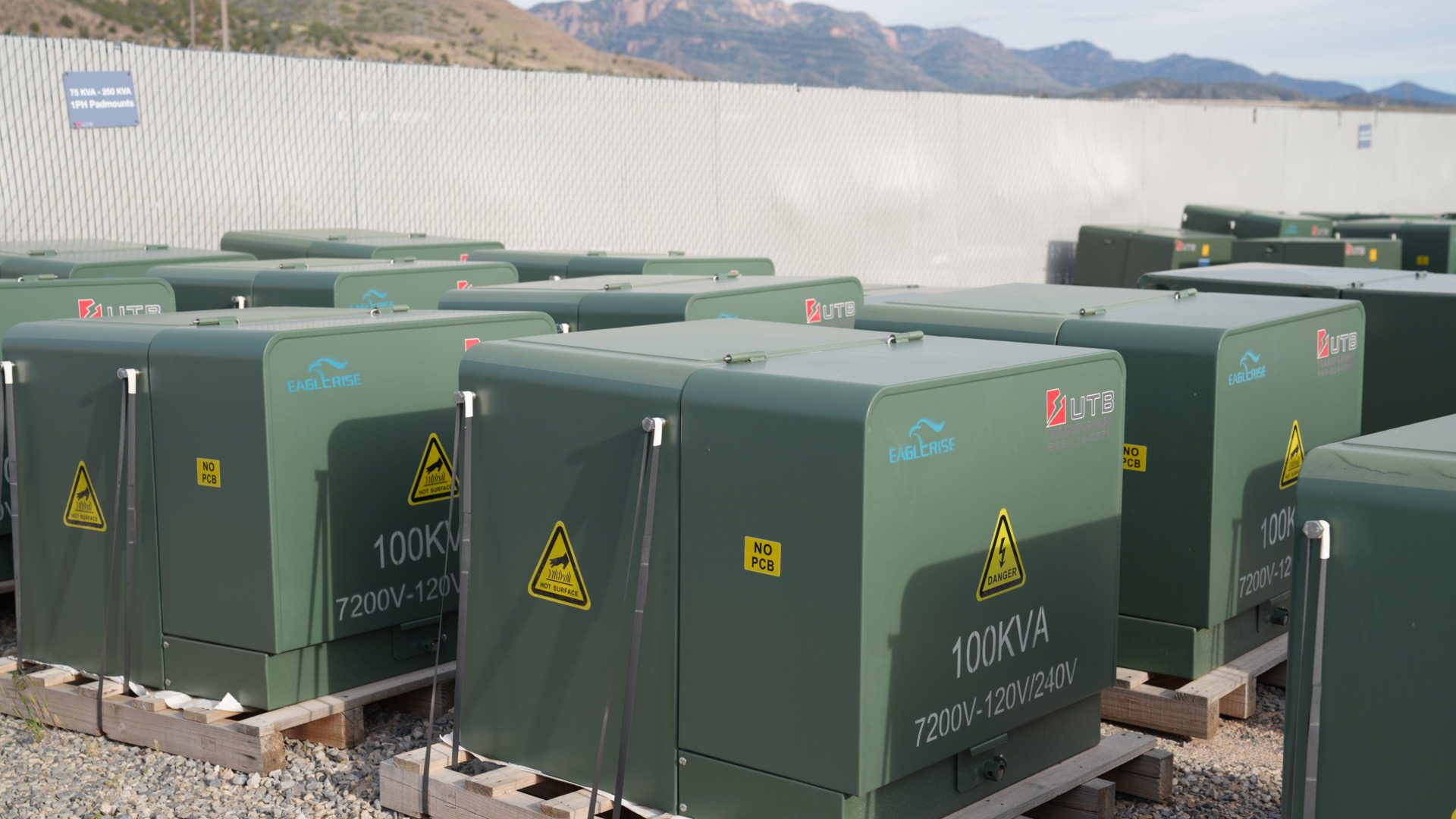
The most immediately visible difference between pad-mounted and pole-mounted transformers is their physical placement. Pad-mounted transformers are installed at ground level, typically mounted on a concrete pad and enclosed within a locked steel cabinet. Pole-mounted transformers, on the other hand, are elevated and installed on utility poles, often alongside overhead distribution lines. This distinction alone has cascading effects on everything from installation cost to maintenance practices and safety protocols.
Deciding Factors
In urban and suburban environments, pad-mounted transformers are often the preferred choice. One of the primary reasons is aesthetics. Modern residential developments, commercial complexes, and planned communities tend to favor underground distribution systems to avoid the visual clutter of overhead lines and equipment. Pad-mounted transformers fit seamlessly into this design philosophy, as they can be placed discreetly at ground level and even landscaped around to blend into their surroundings. In contrast, pole-mounted transformers are more visually prominent and can detract from the clean lines of a neighborhood or commercial district.
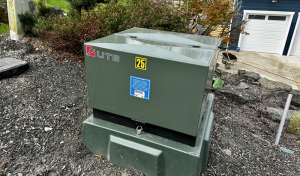 Safety is another major factor that differentiates these two transformer types. Pad-mounted transformers are fully enclosed and tamper-resistant, which significantly reduces the risk of accidental contact with live components. This makes them particularly suitable for areas with high pedestrian traffic, such as residential neighborhoods, parks, and school zones. Pole-mounted transformers, while generally safe when installed correctly, are more exposed. They rely on elevation to keep them out of reach, but this does not eliminate all risks, especially in areas where climbing or unauthorized access could occur.
From an installation standpoint, pole-mounted transformers are typically quicker and less expensive to deploy in areas where overhead infrastructure already exists. There is no need for trenching or underground cabling, which can significantly reduce labor and material costs. This makes pole-mounted transformers ideal for rural or less densely populated areas where overhead distribution is the norm. In these settings, the cost savings and ease of installation often outweigh the aesthetic and safety advantages of pad-mounted units.
Pad-mounted transformers, by contrast, require more upfront planning and infrastructure. Underground cabling must be installed, and a suitable pad must be constructed to support the transformer. While this increases initial costs, it can offer long-term benefits in terms of reliability and reduced exposure to environmental hazards such as wind, ice, and falling branches. In regions prone to severe weather, underground systems paired with pad-mounted transformers can provide a more resilient solution compared to overhead systems.
Load capacity and application requirements also influence the choice between pad-mounted and pole-mounted transformers. Pad-mounted transformers are often used in applications requiring higher capacity or three-phase power, such as commercial buildings, industrial facilities, and large residential developments. Their design allows for more robust configurations and easier integration into complex distribution networks. Pole-mounted transformers are more commonly used for single-phase applications and lower load requirements, such as individual homes or small clusters of buildings in rural areas.
Maintenance and accessibility present another set of trade-offs. Pad-mounted transformers are easier to access for inspection and servicing since they are located at ground level. Technicians can perform maintenance without the need for specialized equipment like bucket trucks. However, because they are more accessible, they must be designed with security in mind to prevent unauthorized access. Pole-mounted transformers, while less accessible to the general public, require more effort to service. Maintenance crews need to work at height, which can increase both the complexity and cost of routine operations.

Environmental exposure is also a key consideration. Pole-mounted transformers are directly exposed to the elements, including sun, rain, snow, and wind. While they are built to withstand these conditions, prolonged exposure can lead to wear and tear over time. Pad-mounted transformers, although also exposed, benefit from their enclosed design, which offers additional protection against environmental factors and reduces the likelihood of damage from debris or wildlife.
Another important difference lies in how each type integrates with the surrounding electrical infrastructure. Pad-mounted transformers are typically part of looped underground systems, which allow for greater flexibility and redundancy. If a fault occurs in one section of the loop, power can often be rerouted to minimize outages. Pole-mounted transformers are usually part of radial overhead systems, where a fault can result in a broader loss of service until repairs are made. This makes pad-mounted systems more attractive in areas where reliability is a top priority.
What Is Right For You?
The choice between pad-mounted and pole-mounted transformers also reflects broader trends in urban planning and energy distribution. As cities grow and demand for reliable, aesthetically pleasing infrastructure increases, pad-mounted transformers are becoming more common in new developments. Meanwhile, pole-mounted transformers continue to play a vital role in maintaining cost-effective distribution in rural and remote areas where underground systems are not practical.
In some cases, hybrid approaches are used. For example, a utility may use underground distribution with pad-mounted transformers in a residential subdivision, while relying on pole-mounted transformers along feeder lines outside the development. This allows for a balance between cost, performance, and visual impact, demonstrating that the two transformer types are not mutually exclusive but rather complementary tools in a utility’s toolkit.
Ultimately, the decision between pad-mounted and pole-mounted transformers comes down to a careful evaluation of the specific application. Factors such as location, load requirements, budget, safety, and long-term maintenance all need to be considered. Neither option is universally superior; each has its strengths and limitations that make it more or less suitable depending on the scenario.
For utilities, developers, and engineers, understanding these differences is essential for designing efficient and reliable electrical distribution systems. By aligning the choice of transformer type with the unique demands of each project, it is possible to achieve a balance between performance, cost, and sustainability that meets both current needs and future expectations.