
Why Fire Suppression Systems Are Essential for Transformers
Fire suppression systems for transformers are a critical component of modern power infrastructure, ensuring both operational reliability and safety in high risk environments. As electrical demand continues to rise and transformer installations become more complex, the need for advanced transformer fire protection has never been more important. Understanding how these systems work and why they are essential can help utilities, industrial facilities, and energy providers make informed decisions about protecting their assets.
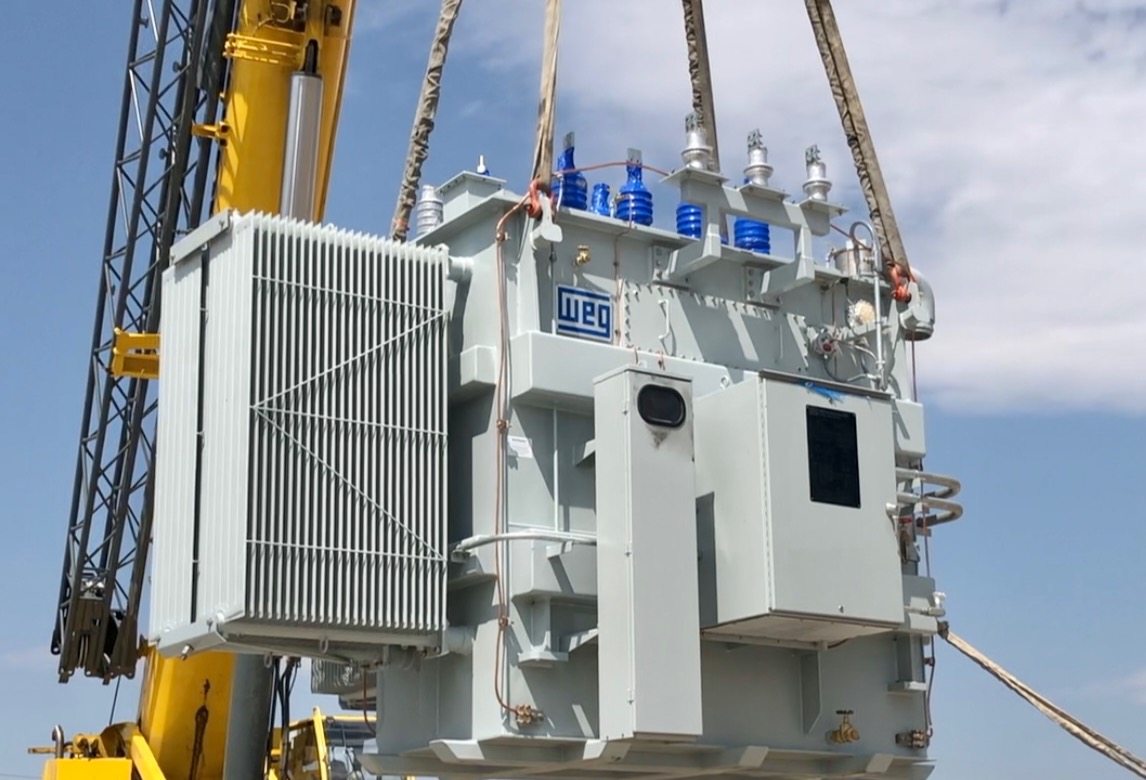
Transformers, especially oil filled units, carry an inherent fire risk due to the presence of flammable insulating fluids and high operating temperatures. When faults occur whether from insulation failure, short circuits, or external factors these conditions can quickly escalate into dangerous fires or even explosions. This is why implementing a robust fire suppression system is not just a regulatory requirement in many cases but a strategic investment in asset protection and uptime.
Deluge Fire Suppression Systems for Transformers
One of the most widely used approaches in transformer fire suppression is deluge systems. These systems are designed to rapidly release large volumes of water over the transformer and surrounding areas, effectively cooling surfaces and preventing the spread of fire. Deluge systems operate through open nozzles that discharge water simultaneously when triggered, providing immediate and comprehensive coverage. This rapid response helps control heat buildup and can also disperse flammable vapors, reducing the likelihood of ignition. Facilities that already prioritize transformer maintenance best practices often find that integrating deluge based suppression adds another layer of protection that complements routine inspections and monitoring.
Foam Based Fire Suppression for Oil Filled Transformers
Another common technology is foam based fire suppression. Foam systems work by forming a blanket over the oil surface, cutting off oxygen and suppressing combustion. This method is particularly effective for oil pool fires that can occur when a transformer tank ruptures. Foam systems are frequently discussed alongside oil filled vs dry type transformers, as the presence of oil significantly influences fire risk and suppression strategy. While dry type transformers present lower fire hazards, they still benefit from targeted suppression solutions in enclosed or high value environments.
Clean Agent Fire Suppression Systems for Indoor Installations
Clean agent fire suppression systems are also gaining popularity, especially in indoor installations or sensitive environments such as substations within commercial buildings or data centers. These systems use gaseous agents that suppress fire without leaving residue, making them ideal for protecting both equipment and surrounding electronics. When paired with insights from substation design and safety, clean agent systems can be optimized to provide rapid response while minimizing operational disruption.
Fire Detection and Early Warning Technologies
Detection plays an equally important role in transformer fire protection. Early detection systems, including heat sensors, flame detectors, and gas monitoring technologies, are often integrated with suppression systems to enable immediate response. For example, dissolved gas analysis can identify potential faults before they escalate into fire incidents. Incorporating these technologies aligns closely with strategies outlined in predictive maintenance for transformers, where early intervention is key to avoiding catastrophic failures.
Automatic Versus Manual Fire Suppression Activation
Another critical consideration is system activation. Fire suppression systems can be manually operated, automatically triggered, or a combination of both. Automatic systems are particularly valuable in remote or unmanned substations, where immediate human intervention is not possible. These systems rely on precise calibration and reliable detection mechanisms to ensure they activate only when necessary. Facilities that invest in smart grid technologies often integrate fire suppression controls into their broader automation systems, improving response times and operational efficiency.
Environmental Impact of Transformer Fire Suppression Systems
Environmental impact is also a growing concern in the design of transformer fire suppression systems. Water usage, chemical runoff, and system maintenance all contribute to the overall environmental footprint. Modern systems are increasingly designed with sustainability in mind, using environmentally friendly agents and efficient delivery mechanisms. This aligns with broader industry trends discussed in sustainable power solutions, where minimizing environmental impact is a key priority.
Installation and Maintenance Best Practices
Installation and maintenance of fire suppression systems are just as important as the technology itself. A poorly maintained system can fail when it is needed most, leading to severe consequences. Regular testing, inspection, and system upgrades are essential to ensure reliability. This is particularly relevant for aging infrastructure, where older transformers may not have been originally designed with modern fire protection in mind. Integrating suppression systems into existing setups often requires careful planning and coordination.
Cost Considerations and Long Term Value
Cost is another factor that organizations must consider. While fire suppression systems represent a significant upfront investment, the potential cost of transformer failure including equipment replacement, downtime, and safety risks far outweighs the initial expense. Many companies evaluate these systems as part of a broader risk management strategy, balancing capital expenditure with long term operational savings. Insights from reducing transformer operational costs can help decision makers understand how fire protection fits into overall financial planning.
The Future of Transformer Fire Protection
In addition to protecting physical assets, fire suppression systems also play a crucial role in safeguarding personnel and surrounding communities. Transformer fires can produce toxic smoke and pose significant hazards to nearby infrastructure. By quickly containing and extinguishing fires, these systems help prevent escalation and reduce the impact on both people and the environment.
As the energy sector continues to evolve, the importance of transformer fire suppression will only increase. With the integration of renewable energy sources, decentralized power generation, and more complex grid systems, transformers are being pushed to operate under increasingly demanding conditions. This makes reliable fire protection not just a safety measure, but a fundamental component of modern energy infrastructure.