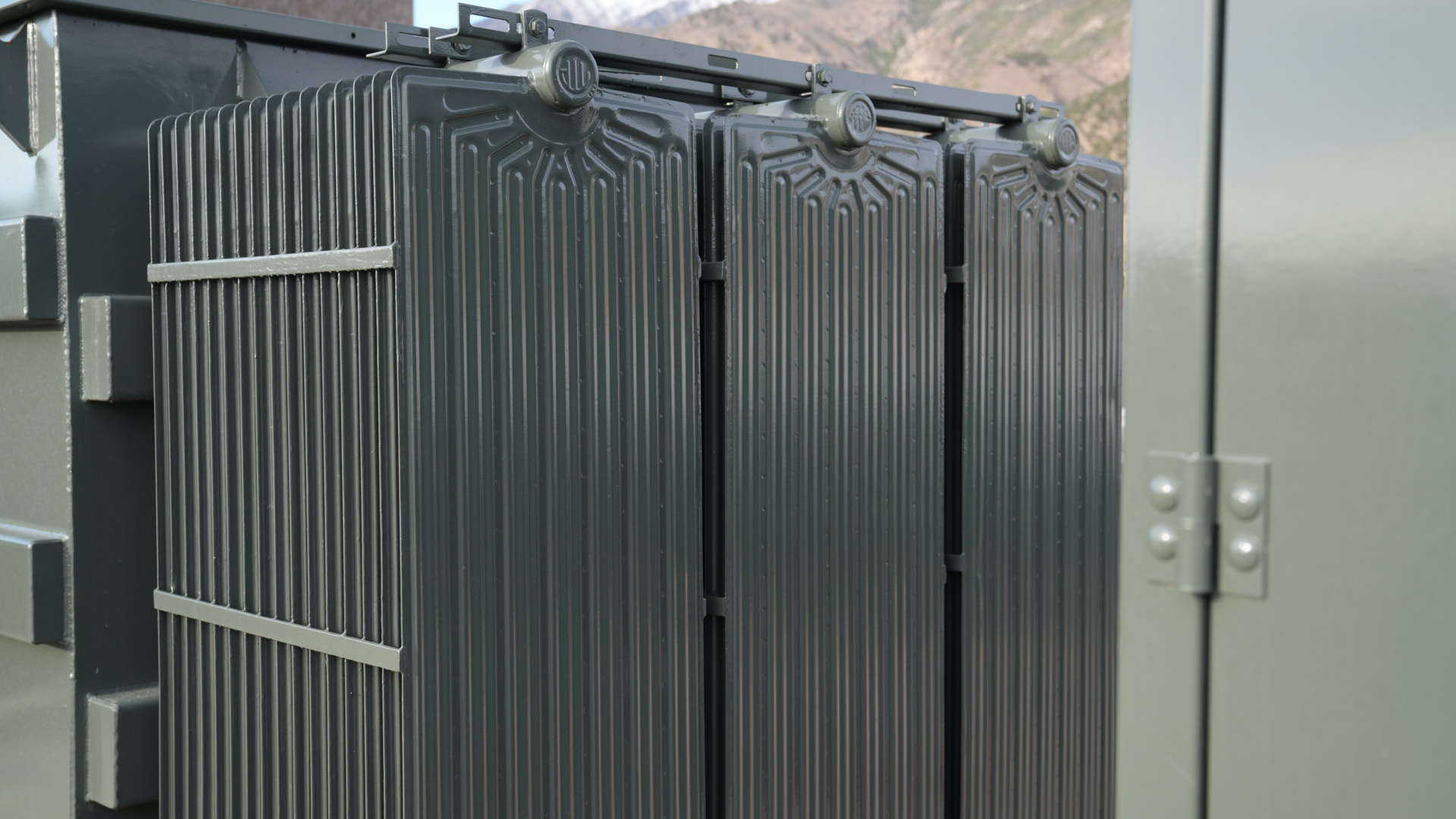
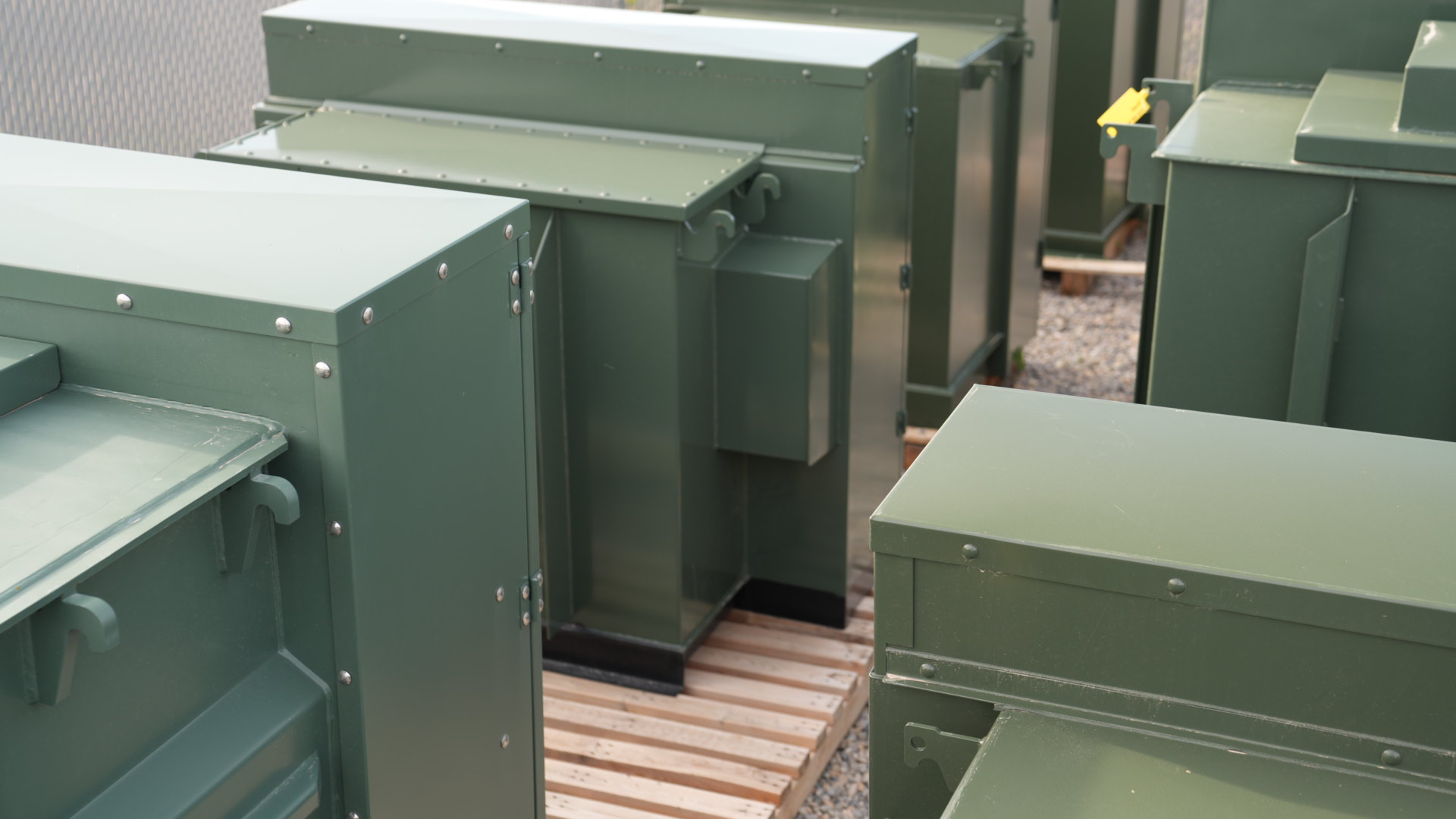
When a transformer fails unexpectedly, every hour matters. Industrial facilities, utilities, commercial operations, and contractors often face significant pressure to restore power quickly and minimize downtime. In many cases, production stops completely until replacement equipment arrives and is installed. That urgency has made emergency transformer delivery one of the most important parts of today’s power equipment industry.
While some transformers can be delivered quickly from existing inventory, others may require extended manufacturing lead times depending on size, specifications, and market availability. Understanding what impacts emergency delivery timelines can help businesses prepare more effectively and reduce delays during critical situations.
Why Emergency Transformer Delivery Matters
A transformer failure can create immediate operational problems across nearly every industry. Manufacturing facilities may lose production capacity, utilities may experience service interruptions, and commercial buildings can face major disruptions to daily operations.
Downtime caused by transformer failures often results in:
- Lost productivity
- Delayed construction schedules
- Revenue loss
- Equipment shutdowns
- Increased labor costs
- Operational uncertainty
For many facilities, restoring power quickly becomes the highest priority. Emergency transformer availability allows businesses to resume operations faster while reducing the financial impact of extended downtime.
This has become even more important as electrical infrastructure demand continues increasing across the United States. Utilities, contractors, and industrial facilities are all competing for equipment, making fast access to inventory more valuable than ever.
What Impacts Emergency Delivery Speed?
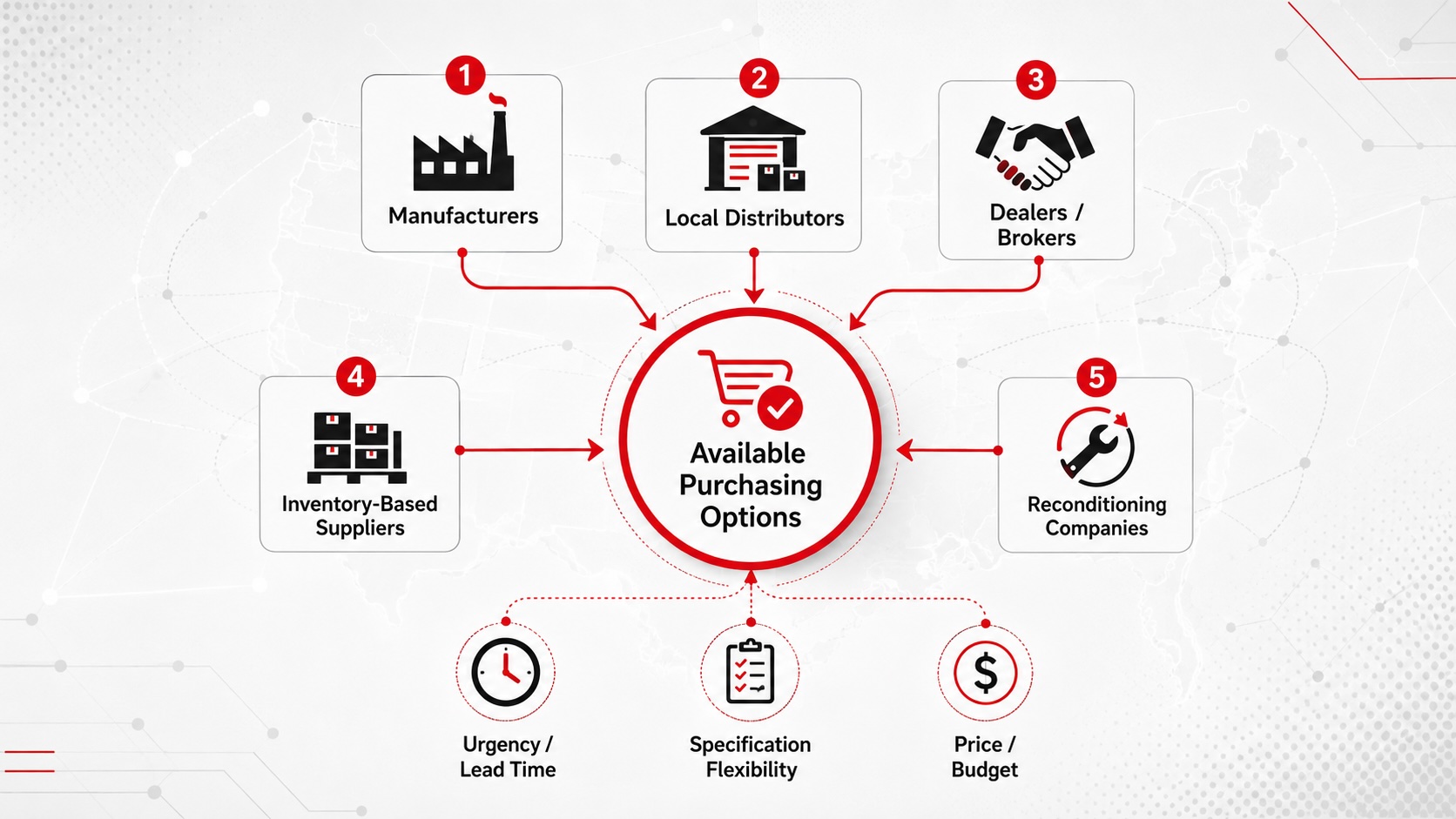
Several factors determine how quickly a transformer can be delivered during an emergency. Some situations allow for same-day or next-day shipping, while others may involve longer timelines depending on equipment requirements.
The biggest factors affecting emergency delivery include:
- Transformer size
- Voltage requirements
- Inventory availability
- Shipping distance
- Transportation logistics
- Site accessibility
- Custom specifications
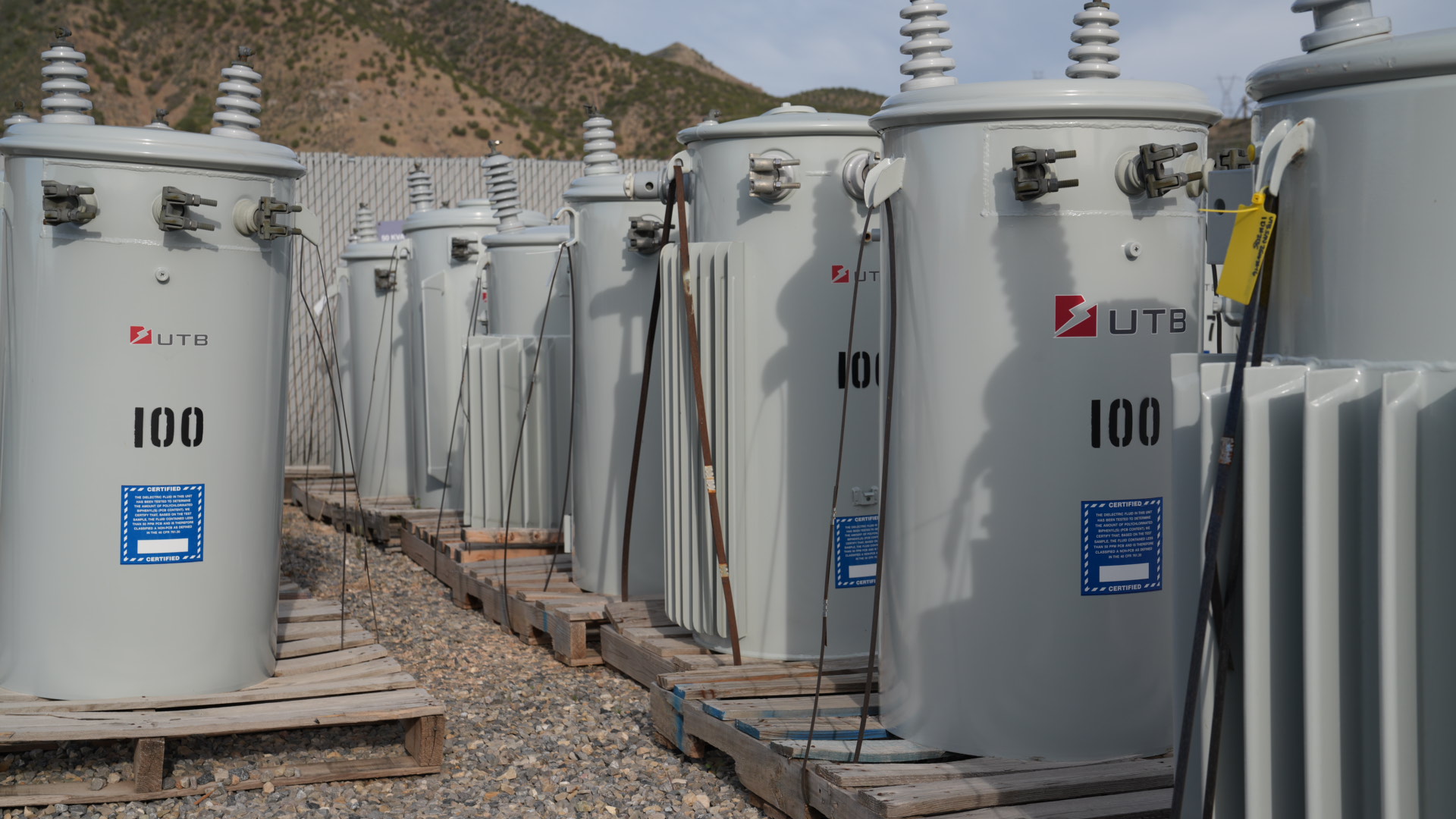
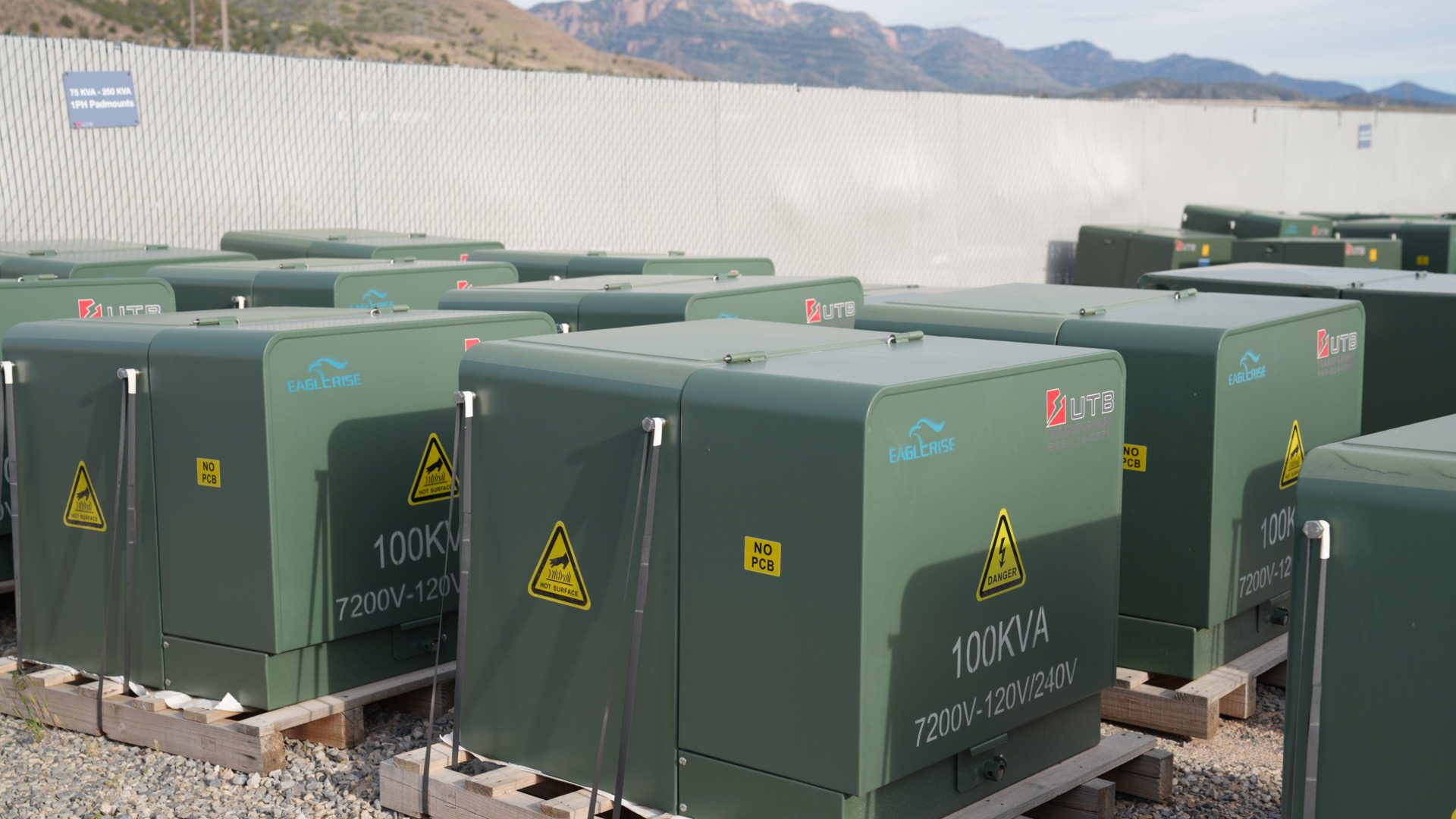
Standard distribution transformers and commonly requested padmount units are often easier to source quickly because suppliers may already have inventory available. Larger power transformers or highly specialized units typically require longer lead times due to manufacturing complexity and transportation requirements.
Location also plays a major role. Facilities located near available inventory may receive equipment significantly faster than remote locations requiring specialized transportation arrangements.
In many emergency situations, flexibility helps speed up delivery. Buyers willing to consider equivalent specifications or reconditioned equipment may have more immediate options available compared to waiting for brand-new custom units.
The Advantage of Ready-to-Ship Inventory
One of the fastest ways to reduce downtime is working with suppliers that maintain ready-to-ship transformer inventory. Equipment already inspected, tested, and prepared for shipment can dramatically shorten response times during emergencies.
Many businesses now prioritize suppliers with available inventory because manufacturing lead times can still fluctuate across the industry. Waiting for production schedules during an outage is rarely ideal when operations are already impacted.
Ready-to-ship inventory helps:
- Reduce operational downtime
- Accelerate project timelines
- Improve emergency response
- Avoid manufacturing delays
- Restore power more quickly
For contractors and utilities managing time-sensitive projects, fast equipment availability can make a major difference in maintaining schedules and minimizing disruptions.
Inventory access has become increasingly important as infrastructure expansion, industrial growth, and data center development continue driving transformer demand higher across multiple sectors.
New vs Reconditioned Emergency Transformers
During emergencies, businesses often face a decision between waiting for new equipment or sourcing reconditioned transformers that are immediately available. In many situations, reconditioned units provide a faster solution while still meeting operational requirements.
Professionally reconditioned transformers are typically:
- Inspected
- Tested
- Serviced
- Evaluated for performance and reliability
When properly maintained and tested, reconditioned equipment can provide dependable short-term or long-term service depending on the application.
For many emergency situations, availability becomes more important than whether the transformer is new or reconditioned. Facilities focused on restoring operations quickly may prioritize immediate delivery over waiting months for new production.
Buyers should still verify testing documentation, condition reports, and specifications before finalizing emergency purchases. Working with experienced suppliers helps reduce uncertainty during urgent situations.
Transportation and Logistics Challenges
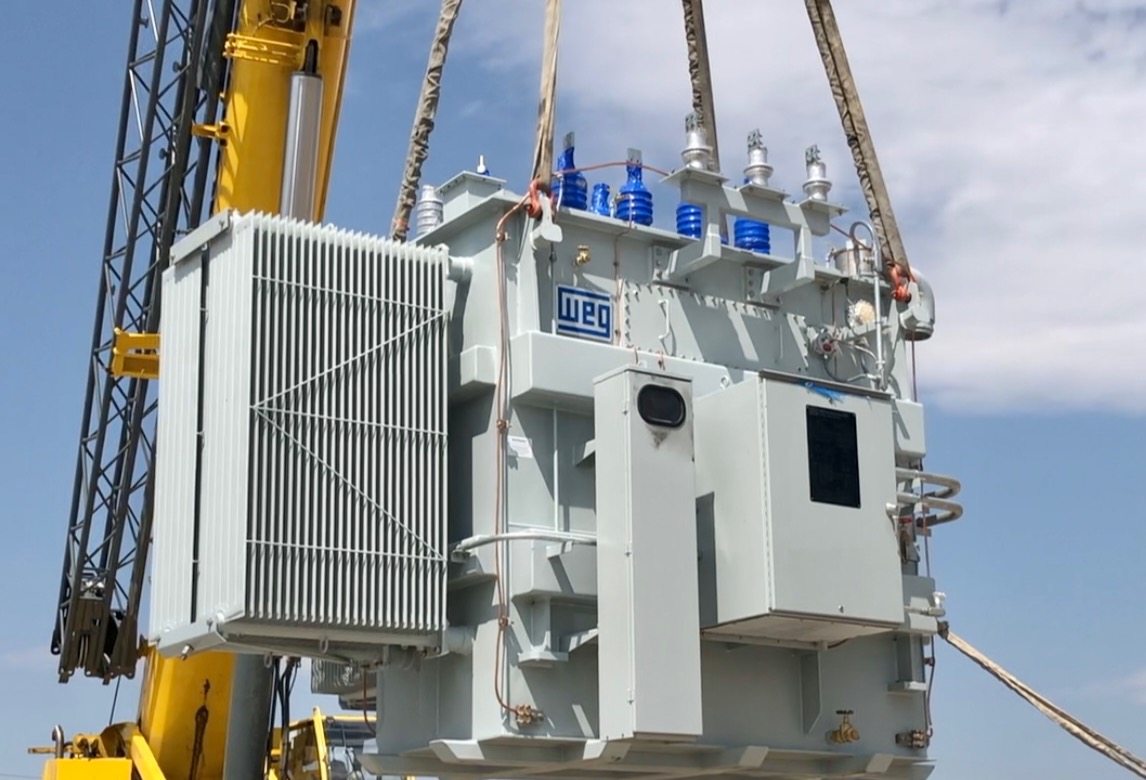
Even when inventory is available, transportation logistics can still impact emergency delivery timelines. Large transformers often require specialized freight coordination, permits, cranes, or heavy-haul transportation depending on size and weight.
Emergency delivery planning may involve:
- Expedited freight services
- After-hours transportation
- Specialized unloading equipment
- Route coordination
- Site preparation
Facilities that prepare installation logistics early can often speed up restoration timelines significantly. Delays sometimes occur not because equipment is unavailable, but because delivery coordination was not addressed beforehand.
Communication between suppliers, contractors, transportation providers, and facility teams becomes extremely important during emergency replacement projects.
For critical infrastructure applications, many organizations now develop contingency plans in advance so replacement procedures can move more quickly if failures occur unexpectedly.
How Businesses Prepare for Transformer Emergencies
Many companies are becoming more proactive about emergency preparedness as transformer demand and lead times remain unpredictable. Waiting until equipment fails can significantly limit available options.
To reduce future downtime risks, some organizations now:
- Maintain backup equipment
- Secure supplier relationships early
- Identify replacement specifications in advance
- Monitor aging infrastructure
- Review emergency procurement procedures
- Keep critical inventory information updated
Preparation helps businesses respond faster when failures occur while reducing uncertainty during high-pressure situations.
Facilities with aging electrical infrastructure often benefit from evaluating replacement plans before emergencies arise. Identifying compatible equipment early can simplify sourcing and speed up restoration later.
Utilities and industrial operators increasingly recognize that proactive planning provides a major advantage during unexpected outages.
Why Supplier Experience Matters
Emergency transformer replacement requires speed, communication, and technical accuracy. Working with experienced suppliers can help businesses avoid delays caused by incorrect specifications, shipping complications, or inventory uncertainty.
Experienced suppliers can often:
- Locate equipment faster
- Verify compatibility
- Coordinate logistics
- Provide testing documentation
- Identify alternative solutions
- Improve delivery timelines
Reliable communication becomes especially important during emergency situations where operational downtime is already creating pressure.
Suppliers with strong inventory networks and industry experience are often better equipped to respond quickly when urgent requests arise.
For many businesses, having access to a trusted transformer supplier before emergencies happen can significantly improve response times when unexpected failures occur.
Need a Transformer Fast?
Unexpected downtime and project delays can put major pressure on operations. UTB Transformers helps businesses source new, surplus, and reconditioned transformers with fast turnaround times and responsive support throughout the process. From emergency replacements to planned infrastructure projects, our team works to simplify procurement and keep your project moving forward.
Contact UTB Transformers today to check available inventory and request a quote.