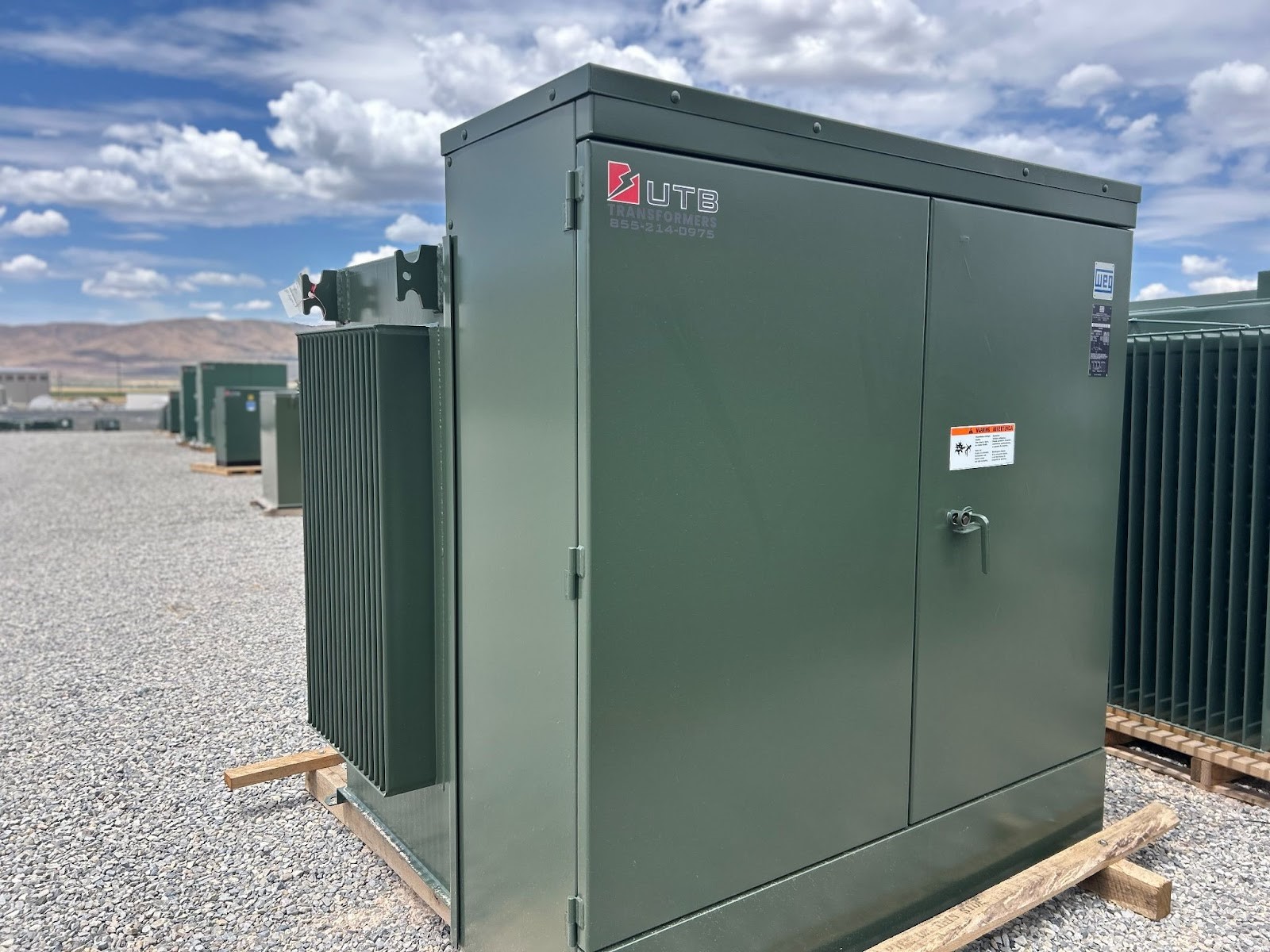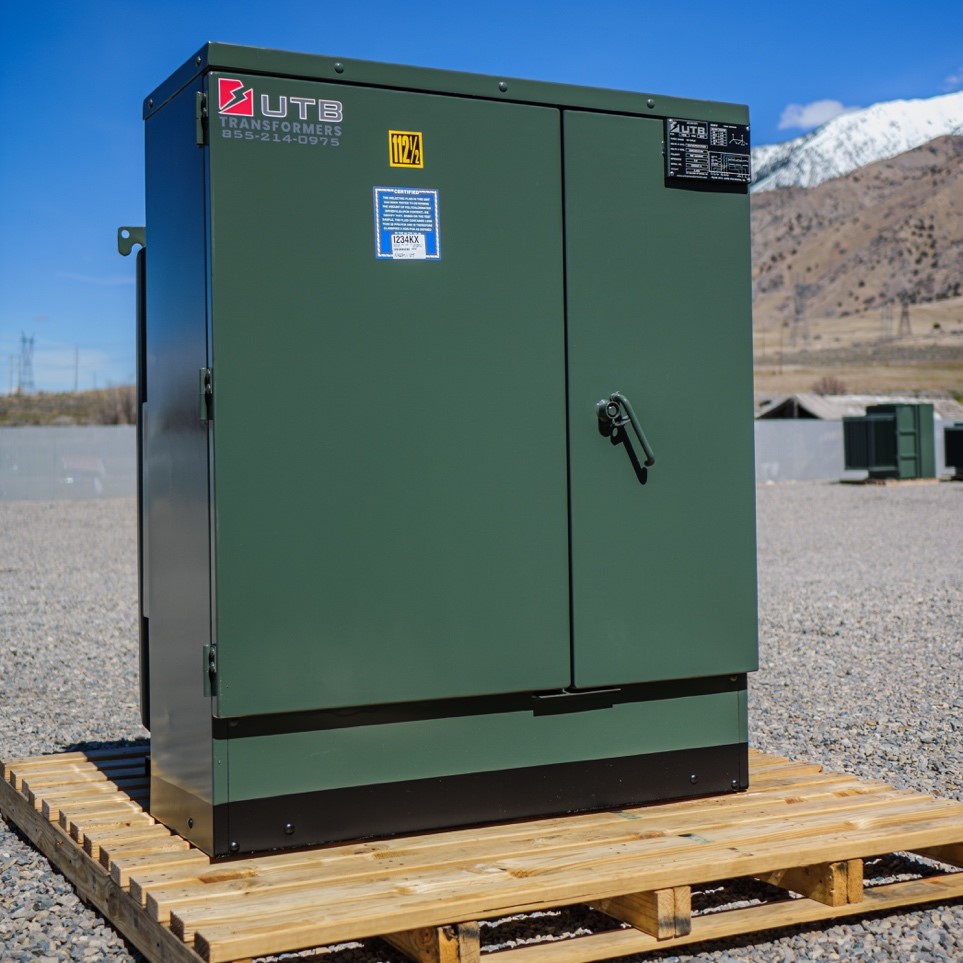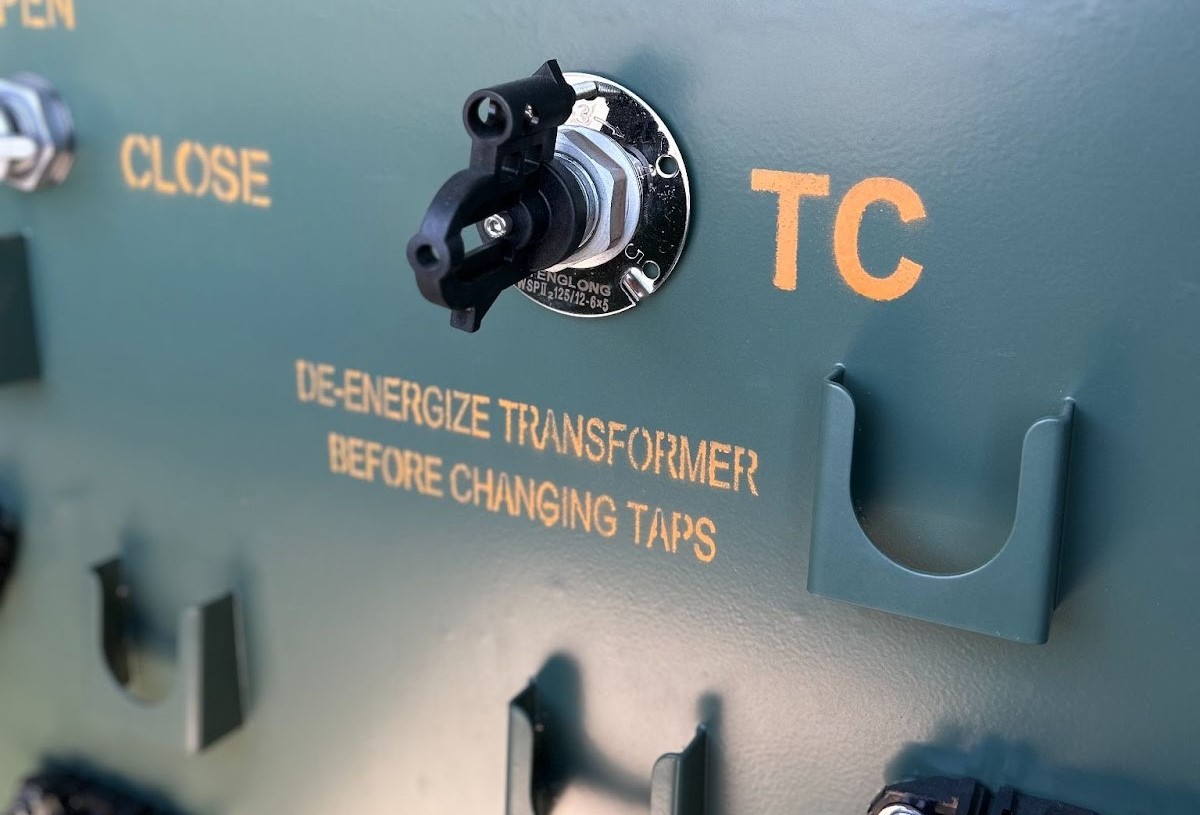
When Purchasing or replacing a distribution transformer, buyers are often presented with two refurbishment options: Reconditioned or Rewound. These terms are often used interchangeably but they describe two very different levels of repair and restoration. Understanding the difference is essential for choosing the right transformer based on performance requirements, budget, and expected service life.
The need for reconditioning or rewinding depends entirely on the internal condition of the transformer, particularly the health of the core and windings. Both processes play an important role in extending the usable life of a transformer, but they serve different purposes and involve very different scopes of work.
Understanding Transformer Refurbishment
Transformer refurbishment can range from external maintenance to a complete internal rebuild. Reconditioning and rewinding represent two distinct depths of refurbishment. Reconditioning is appropriate when the transformer is electrically sound and free of internal defects. Rewinding is required when internal electrical components have failed or deteriorated beyond repair.
Before either process begins, a transformer should undergo thorough testing. This typically includes insulation resistance testing, turns ratio testing, oil analysis, and visual inspection. These tests determine whether the core and windings are healthy enough to remain in service or whether internal replacement is necessary.
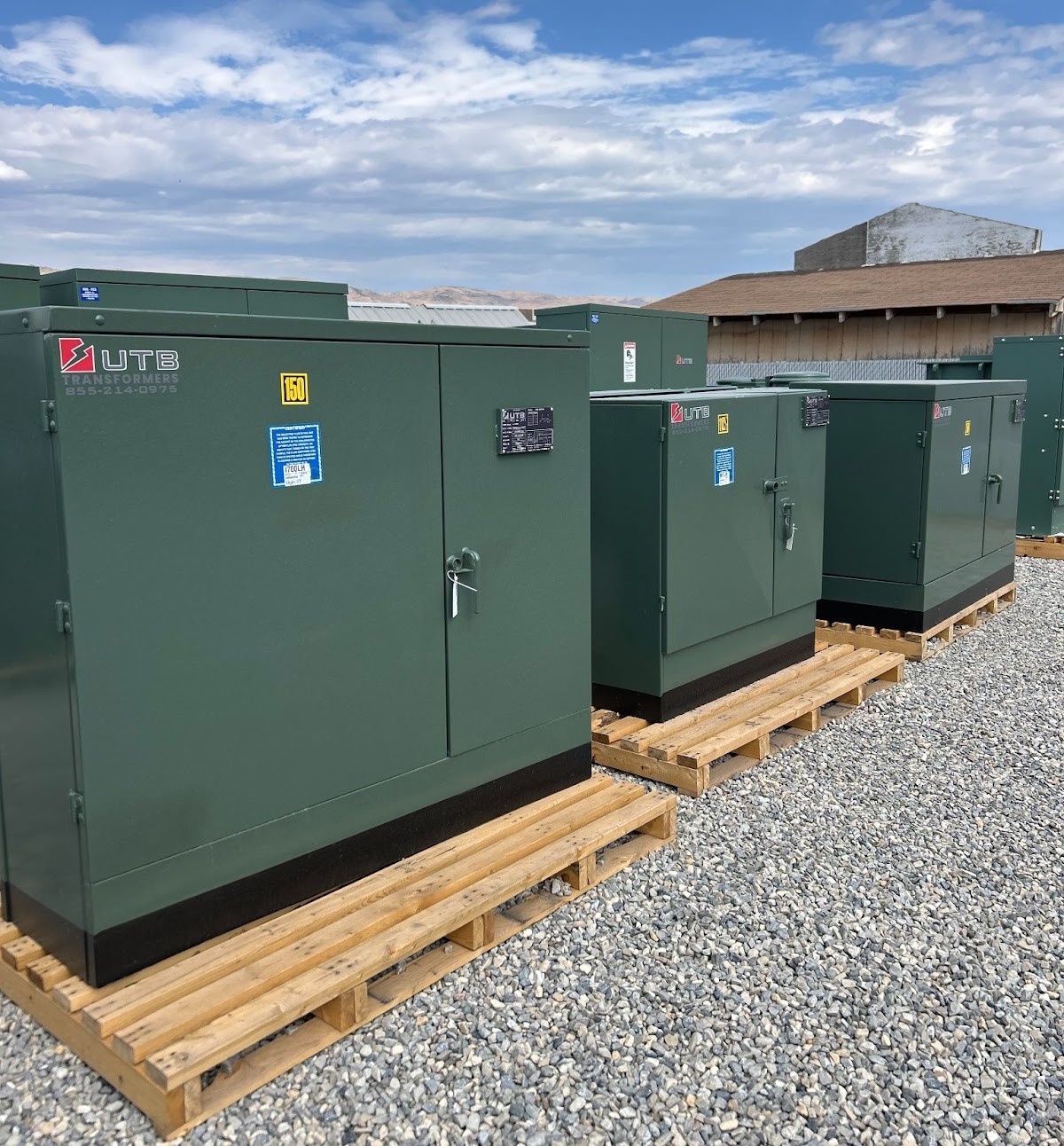
What Is a Reconditioned Distribution Transformer?
Reconditioning is the least invasive and most cost effective refurbishment option. It is best suited for transformers that have no core or coil defects and remain electrically healthy but may show signs of age, wear, or external damage.
Once testing confirms that reconditioning is appropriate, the process begins by fully draining the insulating oil from the transformer. Over time, oil can degrade or become contaminated, reducing its insulating properties. After the refurbishment is complete, the unit is refilled with new, tested oil that meets required dielectric standards.
The transformer tank and external components are then cleaned, repaired if necessary, and repainted to protect against corrosion and environmental exposure. Bushings, gaskets, valves, and other accessories may be replaced if they show signs of wear or leakage. In many cases, minor mechanical adjustments and tightening of internal connections are also performed without disturbing the windings or core.
Importantly, during reconditioning the core and coils remain intact and untouched. No electrical rebuilding takes place. After reassembly, the transformer is retested to confirm it meets applicable performance and safety standards.
A reconditioned transformer can provide many additional years of reliable service when applied correctly. However, because the original windings remain in place, its remaining service life is still influenced by the age and condition of those components.
What Is a Rewound Distribution Transformer?
Rewinding is a far more extensive refurbishment process and is required when the transformer’s windings have failed or degraded beyond acceptable limits. This may be due to insulation breakdown, overheating, short circuits, lightning damage, or prolonged overload conditions.
In a rewind, the transformer is completely disassembled. The core is removed and carefully inspected for damage, while all existing windings and insulation materials are stripped and discarded. If the core is found to be in good condition, it is reused; otherwise, additional repairs or replacement may be required.
New windings are then manufactured using modern insulation systems and conductor materials that meet current standards. The coils are precisely wound, insulated, and assembled onto the core to match the original electrical characteristics or upgraded specifications if required.
After rewinding, the transformer is reassembled, dried, and vacuum-processed to remove moisture. It is then filled with new insulating oil and subjected to comprehensive electrical testing. These tests often mirror those performed on new transformers, ensuring the unit meets performance, efficiency, and safety requirements.
A properly rewound transformer can perform comparably to a new unit and often carries a significantly extended service life. While more expensive than reconditioning, rewinding is usually far more economical than purchasing a brand-new transformer, especially for larger kVA ratings or custom designs