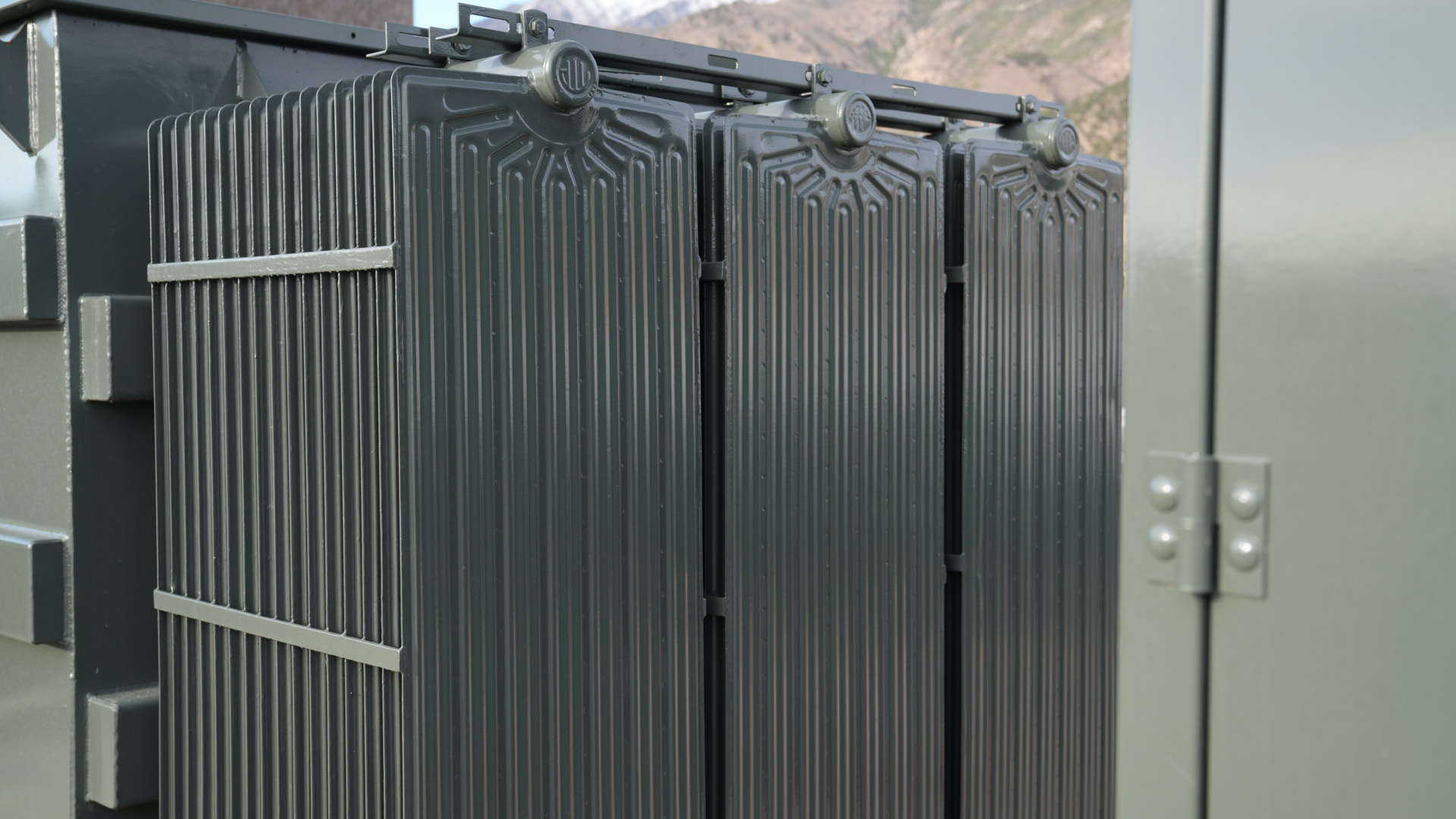
Transformer insulating fluids are essential to the safe and efficient operation of electrical power systems. These fluids provide electrical insulation between energized components and remove heat generated during transformer operation. For decades, mineral oil has been the standard insulating liquid used in transformers around the world. In recent years, however, natural ester-based fluids such as FR3 have gained popularity due to their safety and environmental advantages.
Choosing between mineral oil and FR3 fluid can influence fire safety requirements, environmental risk, transformer lifespan, and long-term maintenance strategies. Understanding the differences between these fluids helps utilities, industrial operators, and facility managers determine the best option for their equipment and operating conditions.
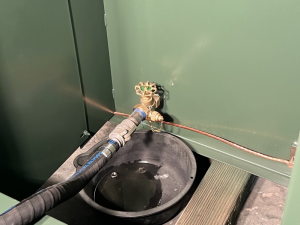 The Role of Insulating Fluid in Transformers
Transformers generate heat as electrical energy is transferred between voltage levels. Without effective cooling, internal components such as windings and insulation materials can degrade over time. Insulating fluid circulates through the transformer to carry heat away from the core and windings while maintaining dielectric strength to prevent electrical discharge.The fluid must remain chemically stable, provide reliable insulation, and transfer heat efficiently. Mineral oil and FR3 fluid both perform these functions, but their properties lead to different advantages depending on the application.
Mineral Oil in Transformers
Mineral oil is a petroleum-based insulating liquid refined from crude oil. It has been used in transformers for more than a century and remains widely used in electrical infrastructure today. Because of its long history in the industry, transformer designs and maintenance practices have traditionally been optimized around mineral oil. One reason for its widespread use is cost. Mineral oil typically has a lower purchase price than alternative insulating fluids, making it attractive for large-scale utility installations. It also has relatively low viscosity, allowing it to circulate easily through the transformer and remove heat effectively. Despite these advantages, mineral oil has several limitations that have encouraged the industry to explore alternatives.
Limitations of Mineral Oil
The most significant drawback of mineral oil is its relatively low fire point, typically around 160 to 170 degrees Celsius. If a transformer fault occurs, the oil can ignite and sustain combustion, which increases fire risk in certain installations. Because of this, mineral oil transformers may require additional safety measures such as fire suppression systems, containment areas, or greater spacing between equipment and nearby structures. Environmental concerns are another factor. Mineral oil is derived from petroleum and is not readily biodegradable. Spills or leaks can contaminate soil and groundwater, sometimes leading to costly cleanup efforts. Mineral oil also absorbs less moisture than natural ester fluids, allowing more water to remain in the cellulose insulation. Over time, this moisture can accelerate insulation aging and reduce transformer lifespan.
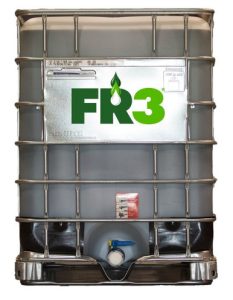
What Is FR3 Fluid?
FR3 fluid is a natural ester insulating liquid derived primarily from vegetable oils. It was developed as a safer and more environmentally responsible alternative to mineral oil while still providing effective electrical insulation and cooling. Natural ester fluids are increasingly used in distribution transformers, renewable energy projects, and indoor electrical installations where fire safety and environmental protection are important considerations.
Fire Safety Benefits
One of the most significant advantages of FR3 fluid is its high fire point, which typically exceeds 300 degrees Celsius. This classifies it as a less-flammable insulating liquid. The higher fire resistance reduces the likelihood that a transformer will sustain a fire during a fault. This can be especially valuable in urban environments, commercial facilities, and indoor installations where fire hazards must be minimized. In some cases, using a less-flammable fluid may also reduce the need for extensive fire protection infrastructure.
Environmental Advantages
FR3 fluid offers important environmental benefits compared with petroleum-based insulating oils. Because it is derived from natural vegetable oils, it is readily biodegradable. If a spill occurs, the fluid can break down naturally in soil and water, reducing long-term environmental damage. This characteristic can lower cleanup costs and help utilities meet environmental regulations more easily. Many organizations are adopting natural ester fluids as part of broader sustainability initiatives within the power industry.
Insulation Life and Moisture Management
Moisture is one of the main causes of insulation aging in transformers. Over time, small amounts of water form within the cellulose insulation that surrounds the windings. FR3 fluid can absorb significantly more moisture than mineral oil without losing dielectric strength. This allows it to draw water away from the insulation and hold it in the fluid instead. By reducing moisture in the insulation, the aging process slows down, which can extend the service life of the transformer.
Cooling and Design Considerations
Mineral oil generally has lower viscosity than FR3 fluid, allowing it to flow more easily through the transformer. This supports efficient heat transfer and cooling. FR3 fluid is more viscous, particularly at lower temperatures, which can affect fluid circulation. However, modern transformer designs are typically engineered to accommodate these characteristics and maintain proper cooling performance. Natural ester fluids can also be more sensitive to oxidation if exposed to air for extended periods. For this reason, transformers using FR3 fluid are often designed with sealed tank systems that limit contact with oxygen.
Cost and Application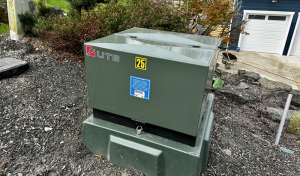
Mineral oil usually has a lower upfront cost, which can make it appealing for utilities operating large transformer fleets. However, upfront cost does not always reflect the total lifecycle cost of a transformer. The longer insulation life, improved fire safety, and reduced environmental risk associated with FR3 fluid may offset its higher initial price over time. Mineral oil is still commonly used in traditional substation installations, particularly in remote locations where fire risk and environmental concerns are less critical. FR3 fluid is often preferred in urban substations, renewable energy facilities, commercial buildings, and indoor installations where safety and sustainability are major priorities.
Conclusion
Mineral oil and FR3 fluid both serve the essential function of insulating and cooling power transformers, but they offer different benefits depending on the application. Mineral oil remains widely used because of its lower cost and long history of reliable performance. However, its lower fire point and environmental impact can present challenges in modern installations. FR3 fluid provides a safer and more environmentally friendly alternative with higher fire resistance and improved moisture management. These advantages can extend transformer insulation life and reduce risks in sensitive environments. As the power industry continues to evolve, natural ester fluids like FR3 are becoming an increasingly common choice for new transformer installations where safety, sustainability, and long-term reliability are important considerations.