What Are Taps Used for on Transformers?
Electrical transformers are designed to regulate and distribute voltage across power systems, but real-world electrical networks rarely operate at perfectly stable voltage levels. Fluctuations occur due to load changes, distance from power sources, and variations in generation. To compensate for these changes and maintain proper v oltage levels, transformers are equipped with an important feature known as taps.
Transformer taps allow operators to adjust voltage ratios within a transformer without replacing the unit or significantly modifying the electrical system. This capability plays a vital role in maintaining stable power distribution and protecting electrical equipment. Understanding what transformer taps are and how they work helps explain why they are such an essential component of modern electrical infrastructure.
Understanding Transformer Taps
A transformer tap is a connection point along the winding of a transformer that allows the effective number of turns in the winding to be adjusted. By changing the number of turns used in either the primary or secondary winding, the transformer can slightly increase or decrease the output voltage.
Transformers operate according to a turns ratio. This ratio between the primary winding and the secondary winding determines how voltage is converted from one level to another. When a tap is selected on a transformer winding, the number of active turns changes, which alters the voltage ratio accordingly.
In practice, this means taps allow a transformer to fine-tune the voltage it delivers. Instead of producing only one fixed output voltage, a transformer with taps can produce several slightly different voltage levels depending on the configuration.
This adjustment capability makes taps extremely useful in power systems where voltage conditions change frequently.
Why Transformer Taps Are Needed
Electrical grids are dynamic systems. Voltage levels fluctuate constantly as electrical demand rises and falls throughout the day. Industrial facilities may power on large equipment, residential neighborhoods may increase usage during evening hours, and renewable generation sources may vary based on weather conditions.
Transformer taps allow operators to compensate for these variations. If voltage at the distribution level becomes too low, taps can be adjusted to increase the output voltage slightly. If voltage becomes too high, taps can be adjusted in the opposite direction to reduce it.
This ability to regulate voltage ensures that electricity delivered to homes, businesses, and industrial equipment remains within acceptable limits. Maintaining proper voltage is essential because equipment is designed to operate within a specific range. When voltage is too high, devices can overheat or fail. When voltage is too low, motors and electronics may not operate properly.
Transformer taps provide a practical solution for maintaining stable voltage across power networks.
Voltage Regulation in Power Distribution
One of the most important roles of transformer taps is supporting voltage regulation across distribution systems. Electricity travels long distances through transmission and distribution lines, and during that journey some voltage drop naturally occurs due to resistance in the conductors.
When electricity moves farther away from a substation, voltage tends to decline. This means that customers located farther from the source might receive slightly lower voltage than customers located nearby.
Transformer taps allow utilities to compensate for these voltage drops. By adjusting the transformer settings, operators can increase the output voltage enough to ensure that all customers receive proper electrical service even at the end of long distribution lines.
This adjustment is especially important in rural areas where power lines cover large geographic distances.
Tap Changers and How They Work
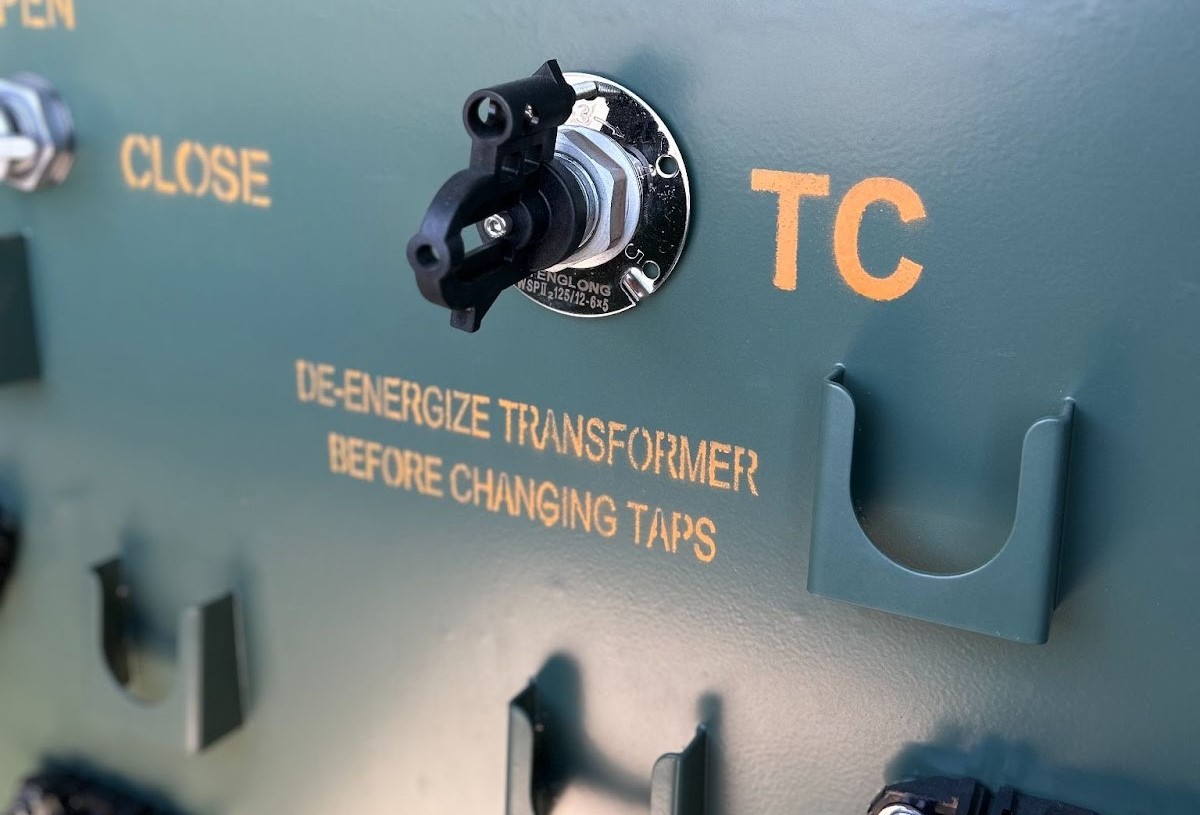
The mechanism used to change transformer taps is called a tap changer. Tap changers allow operators to select different tap positions to adjust the transformer’s output voltage.
There are two primary types of tap changers used in electrical transformers.
The first type is the off-load tap changer. These taps can only be adjusted when the transformer is de-energized. Maintenance personnel must shut down the transformer before changing the tap position. Off-load tap changers are commonly used in smaller transformers or applications where frequent adjustments are not required.
The second type is the on-load tap changer, often called an OLTC. These systems allow tap changes while the transformer remains energized and supplying power to the grid. This capability allows utilities to regulate voltage continuously without interrupting service.
On-load tap changers are commonly used in large substation transformers where maintaining consistent voltage is critical.
Transformer Taps in Substations
Large transformers located in substations frequently rely on tap changers to maintain voltage stability across the grid. These transformers handle high power loads and serve large regions, making voltage regulation extremely important.
When electrical demand increases in a service area, voltage may begin to drop due to the increased load on the system. The tap changer in a substation transformer can adjust the voltage ratio to compensate for this drop and maintain proper service levels.
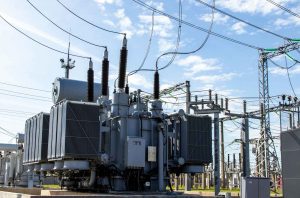
Substation transformers are often equipped with automated tap changers that monitor voltage levels and make adjustments automatically. This automation helps maintain consistent power delivery even as grid conditions change throughout the day.
Supporting Industrial Power Systems
Transformer taps are also important in industrial environments where electrical loads can vary dramatically. Factories, manufacturing plants, and processing facilities often operate heavy machinery that creates significant fluctuations in electrical demand.
When large motors start or heavy equipment cycles on and off, voltage levels can shift quickly. Transformers with adjustable taps allow engineers to maintain stable voltage within the facility’s electrical distribution system.
Maintaining stable voltage helps protect expensive industrial equipment and ensures efficient operation of production systems.
Improving Grid Reliability
Transformer taps contribute significantly to overall grid reliability. Voltage instability can lead to a range of electrical problems, including equipment damage, power quality issues, and system outages.
By allowing utilities to adjust transformer voltage levels quickly, tap changers help maintain balance within the power network. This flexibility helps prevent voltage from drifting outside acceptable ranges and reduces the risk of widespread power disruptions.
In modern electrical systems, tap changers often work together with voltage regulators and automated grid control systems to keep electricity flowing smoothly.
Supporting Renewable Energy Integration
Renewable energy sources such as solar and wind have introduced new challenges for electrical grid management. These sources can produce variable output depending on environmental conditions, which can cause fluctuations in voltage levels.
Transformer taps provide an important tool for managing these variations. As renewable generation increases or decreases, transformer tap changers can adjust voltage ratios to maintain stable power flow into the grid.
This capability helps utilities integrate renewable energy sources without compromising reliability or power quality.
Design Considerations for Transformer Taps
Transformer taps must be carefully designed and engineered to handle electrical loads safely. The tap positions are typically spaced at specific voltage intervals, often in increments of around 2.5 percent. These increments allow operators to fine-tune voltage without creating large swings in output levels.
Engineers determine the number of tap positions based on the intended application of the transformer. Distribution transformers may have fewer tap settings, while large substation transformers may have many positions to allow more precise voltage control.
The location of the taps within the transformer winding is also important. In many designs, taps are placed on the high-voltage winding because it carries lower current, which simplifies switching and reduces equipment stress.
Maintenance and Inspection
Like other transformer components, tap changers require regular maintenance to ensure reliable operation. Mechanical contacts inside tap changers experience wear over time due to electrical switching and movement.
Routine inspections help identify signs of wear, overheating, or insulation breakdown. Maintenance procedures may include cleaning contacts, replacing worn parts, and testing the operation of the tap changer mechanism.
Proper maintenance ensures that transformer taps continue to operate safely and accurately throughout the lifespan of the equipment.
A Small Feature with a Big Impact
Transformer taps may seem like a small component within a large electrical device, but they play a critical role in maintaining stable power systems. By allowing voltage adjustments without replacing equipment or interrupting service, taps give utilities and engineers the flexibility needed to manage complex electrical networks.
From large substations to industrial facilities and renewable energy projects, transformer taps help maintain consistent voltage levels across a wide range of applications. Their ability to compensate for load changes, line losses, and generation variability makes them an essential feature in modern transformers.
As electrical infrastructure continues to evolve and energy demand grows, the ability to fine-tune voltage using transformer taps will remain an important part of maintaining efficient and reliable power distribution systems.
Reliable Transformer Solutions
Selecting the right transformer configuration including tap settings and voltage regulation capabilities is essential for maintaining reliable electrical systems. Experienced transformer suppliers can help utilities, contractors, and industrial operators choose equipment that meets the specific requirements of their projects.
UTB Transformers provides a wide range of transformer solutions for power distribution, industrial applications, and utility infrastructure. With inventory that includes new, used, and reconditioned transformers, UTB helps organizations maintain reliable electrical networks and respond quickly to changing power demands.
Understanding how transformer taps function highlights just one of the many engineering features that make modern electrical distribution possible. From voltage regulation to grid stability, transformer technology continues to play a central role in powering the world around us.