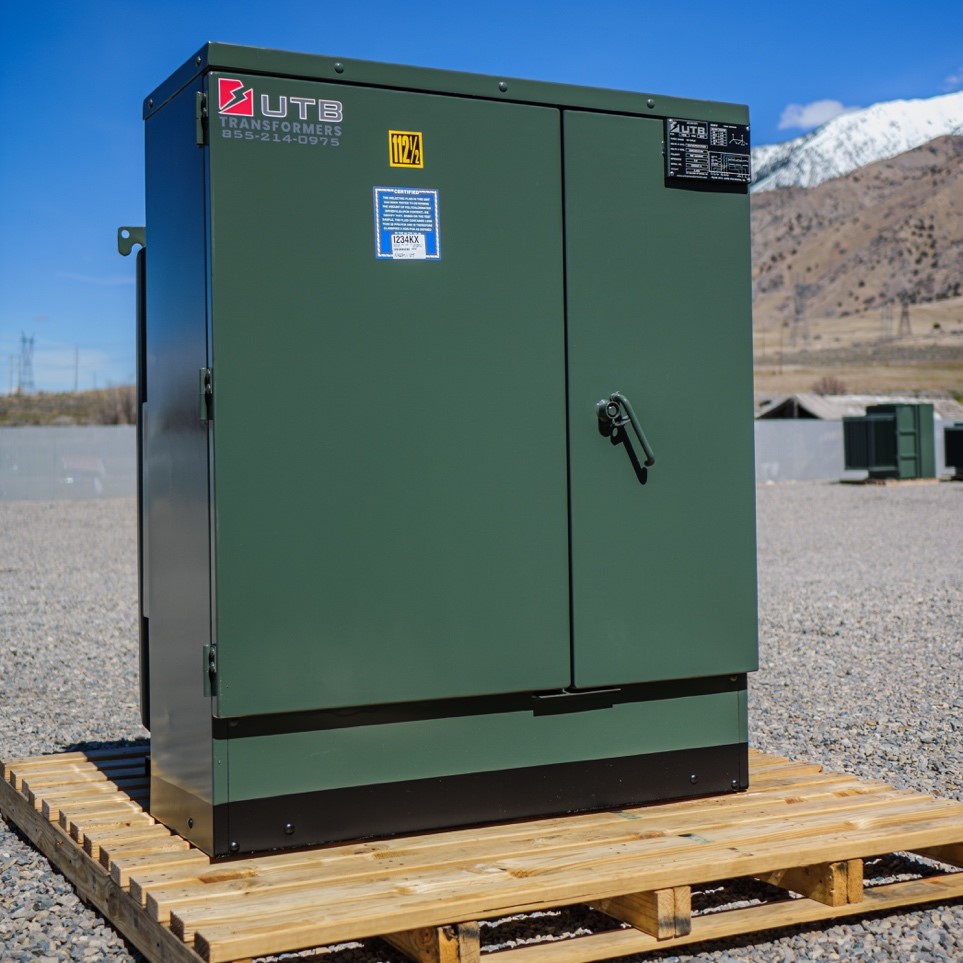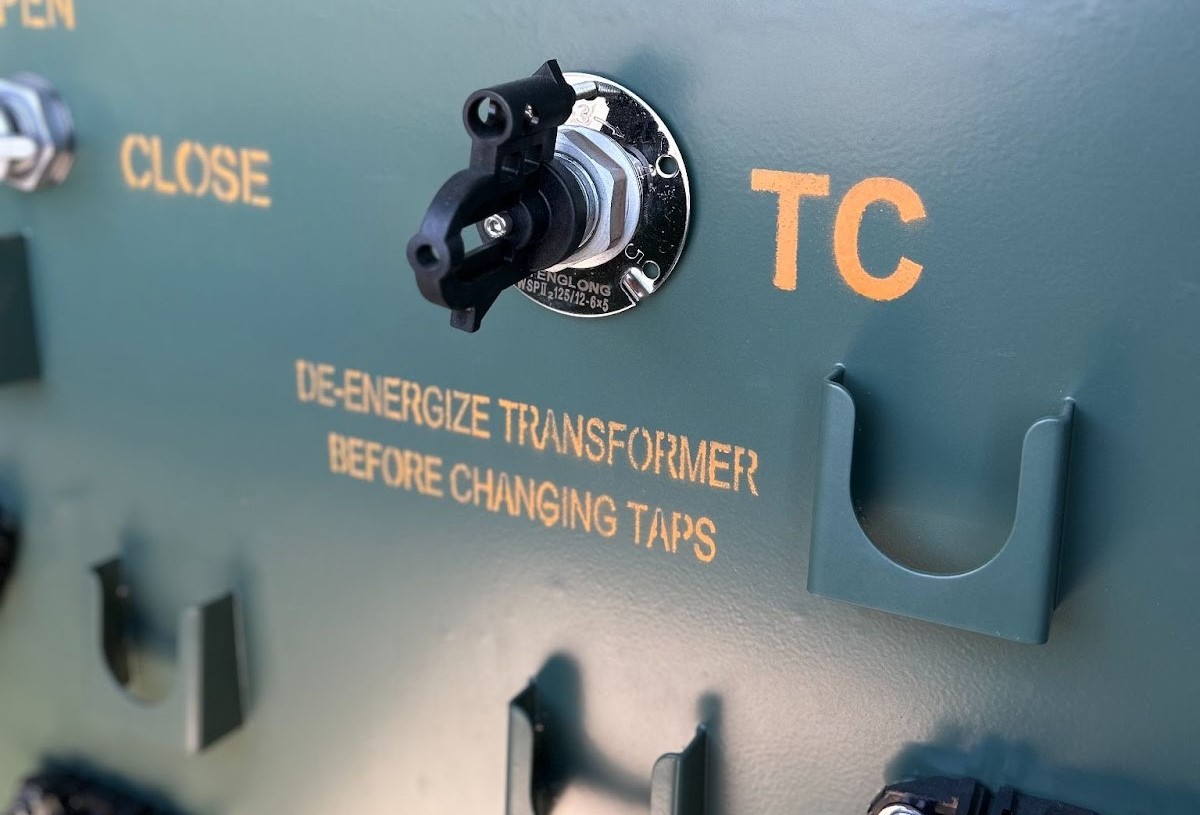

When it comes to upgrading or replacing electrical infrastructure, one common question is how reliable a reconditioned transformer really is. Because transformers are essential to power distribution and operational stability, reliability is not something businesses can afford to compromise on. While new units are often viewed as the default option, reconditioned transformers have become an increasingly trusted alternative, offering strong performance, shorter lead times, and significant cost savings.
A reconditioned transformer is far more than a used unit being put back into service. It undergoes a comprehensive restoration process designed to bring it back to a high standard of performance and safety. This process begins with a detailed inspection, where technicians assess the condition of the core, windings, insulation system, tank, and all supporting components. Any parts that show signs of wear, damage, or aging are either repaired or replaced, ensuring the transformer has a solid foundation before moving forward.
How is reliability gauranteed?
The quality of this refurbishment process is one of the biggest factors affecting reliability. When handled properly, reconditioning restores the transformer to a condition that can closely match its original performance. Skilled technicians follow strict procedures and industry standards to ensure consistency and accuracy throughout the process. Their experience with both older and modern transformer designs allows them to address potential issues effectively and ensure the unit is ready for continued service.
Testing is another critical stage that directly impacts reliability. Before a reconditioned transformer is approved for use, it goes through a series of rigorous tests to verify its performance and safety. These tests typically include insulation resistance checks, turns ratio testing, winding resistance measurements, and dielectric testing. The purpose is to confirm that the transformer can handle its rated load and operate under normal and stressed conditions without failure. This thorough testing process provides confidence that the unit will perform reliably once installed.
One of the most important elements inside any transformer is its insulation system. Over time, insulation can degrade due to heat, moisture, and electrical stress, which can eventually lead to failure if not addressed. During reconditioning, the insulation system is carefully evaluated and restored as needed. Advanced drying and treatment methods are used to remove moisture and improve dielectric strength, helping extend the transformer’s operational life and reduce the risk of breakdowns.
Why choose reconditioned?
It is also important to recognize that transformers are typically built for long-term use. Many are designed to operate for several decades when properly maintained. Reconditioning allows much of that original lifespan to be recovered by addressing age-related wear and restoring performance. As a result, a properly reconditioned transformer can provide many additional years of dependable service, making it a practical solution for a wide range of applications.
Cost is often a key consideration in any equipment decision. Reconditioned transformers are generally more affordable than new units, sometimes offering substantial savings. These cost reductions come primarily from reusing durable core components rather than compromising on quality. When the refurbishment process is carried out thoroughly, reliability is maintained while overall project costs are reduced.

Another advantage is availability. New transformers can involve long manufacturing and delivery timelines, which may not be ideal for urgent projects or unexpected replacements. Reconditioned units are often available more quickly, helping reduce downtime and keep operations running smoothly. Faster turnaround does not mean lower quality, as long as the reconditioning process includes proper inspection, restoration, and testing.
That said, reliability can vary depending on where the transformer is sourced. Not all reconditioning processes are equal, which is why it is essential to work with a trusted provider. A reputable company will prioritize quality, provide clear documentation, and ensure that each transformer meets strict performance standards. This level of transparency helps customers understand exactly what they are getting and builds confidence in the equipment’s reliability.
Ongoing maintenance also plays a role in long-term performance. Just like new transformers, reconditioned units benefit from routine inspections, oil analysis, and monitoring. With proper maintenance practices in place, these transformers can continue to operate efficiently and reliably over time.
In many cases, a reconditioned transformer offers a balanced solution that combines performance, cost savings, and availability. While there may be situations where a new unit is necessary, reconditioned transformers are a dependable option for many standard applications. Their reliability ultimately comes down to the care taken during the refurbishment process and the expertise of the technicians involved.For businesses looking to make a smart, cost-effective decision without sacrificing performance, reconditioned transformers are well worth considering. If you’re exploring your options or need guidance on the right solution, the team at UTB Transformers is always ready to help you find the best fit for your needs.