Why Transformer Prices Fluctuate Throughout the Year
Whether you’re purchasing a single pad mounted transformer or sourcing multiple substation transformers for a large project, pricing can vary significantly throughout the year. Many buyers assume transformer prices are fixed, but several market factors influence costs before equipment reaches the job site.
Understanding what drives pricing helps businesses plan purchases, avoid unexpected expenses, and secure equipment when market conditions are favorable. While no supplier can control the market, working with an experienced partner can help reduce the impact of changing costs and improve purchasing decisions.
Raw Material Costs Play a Major Role
Transformers rely on several key materials, and fluctuations in commodity markets directly affect manufacturing costs.
Copper is one of the most important materials used in transformer windings. Because copper is traded globally, changes in supply, mining output, international demand, and economic conditions can cause prices to rise or fall throughout the year. Even modest increases in copper prices can influence the final cost of electrical equipment.
Electrical steel is another critical component. Grain-oriented electrical steel, commonly used in transformer cores, experiences its own market cycles. Changes in production capacity, global demand, or import availability can affect pricing for manufacturers and distributors alike.
Insulating oil, aluminum, bushings, and other electrical components also contribute to the overall cost of a transformer.
Supply and Demand Influence the Market
Like most industrial equipment, transformer pricing is heavily influenced by supply and demand.
When utilities, industrial facilities, renewable energy developers, and data centers all increase purchasing activity, manufacturers often receive more orders than they can immediately produce. Higher demand places pressure on available inventory and manufacturing capacity, which can increase both pricing and lead times.
During slower periods, buyers may find greater equipment availability and more competitive pricing. Market conditions change throughout the year, making timing an important part of procurement planning.
Freight Costs Matter More Than Many Buyers Realize
Transformers are large, heavy pieces of electrical equipment that require specialized transportation.
Freight costs depend on fuel prices, shipping distance, equipment availability, oversized load permits, and carrier capacity. Even when manufacturing costs remain stable, transportation expenses can significantly affect the total project cost.
Planning deliveries early and working with suppliers experienced in transformer logistics can help minimize shipping delays and unexpected transportation expenses.
Lead Times Can Affect Pricing
Factory production schedules also influence transformer pricing.
When manufacturers have available production capacity, pricing is often more stable. As production schedules fill and lead times extend, expedited manufacturing becomes more difficult, and buyers may have fewer purchasing options.
Companies working on tight construction schedules often need equipment immediately. In these situations, ready-to-ship transformers can provide both scheduling advantages and more predictable pricing compared to waiting for a custom factory build.
Project Specifications Affect Cost
Not every transformer costs the same, even when the power rating appears similar.
Voltage class, impedance requirements, cooling methods, efficiency ratings, tap changers, accessories, and enclosure designs all affect manufacturing complexity. Highly customized specifications generally require additional engineering and production time, increasing the overall project cost.
Standard configurations often provide shorter lead times and greater inventory availability, making them an attractive option when project requirements allow.
Market Conditions Continue to Evolve
The transformer industry has experienced significant changes over the past several years. Supply chain disruptions, increased infrastructure investment, utility modernization, renewable energy expansion, and growing electrical demand have all influenced equipment availability and pricing.
Although many supply chains have improved, demand for medium- and high-voltage transformers remains strong across North America. Buyers who monitor market conditions and plan purchases early are often better positioned to avoid unnecessary delays and cost increases.
How Buyers Can Reduce Costs
While market conditions cannot be controlled, there are several ways buyers can improve purchasing outcomes.
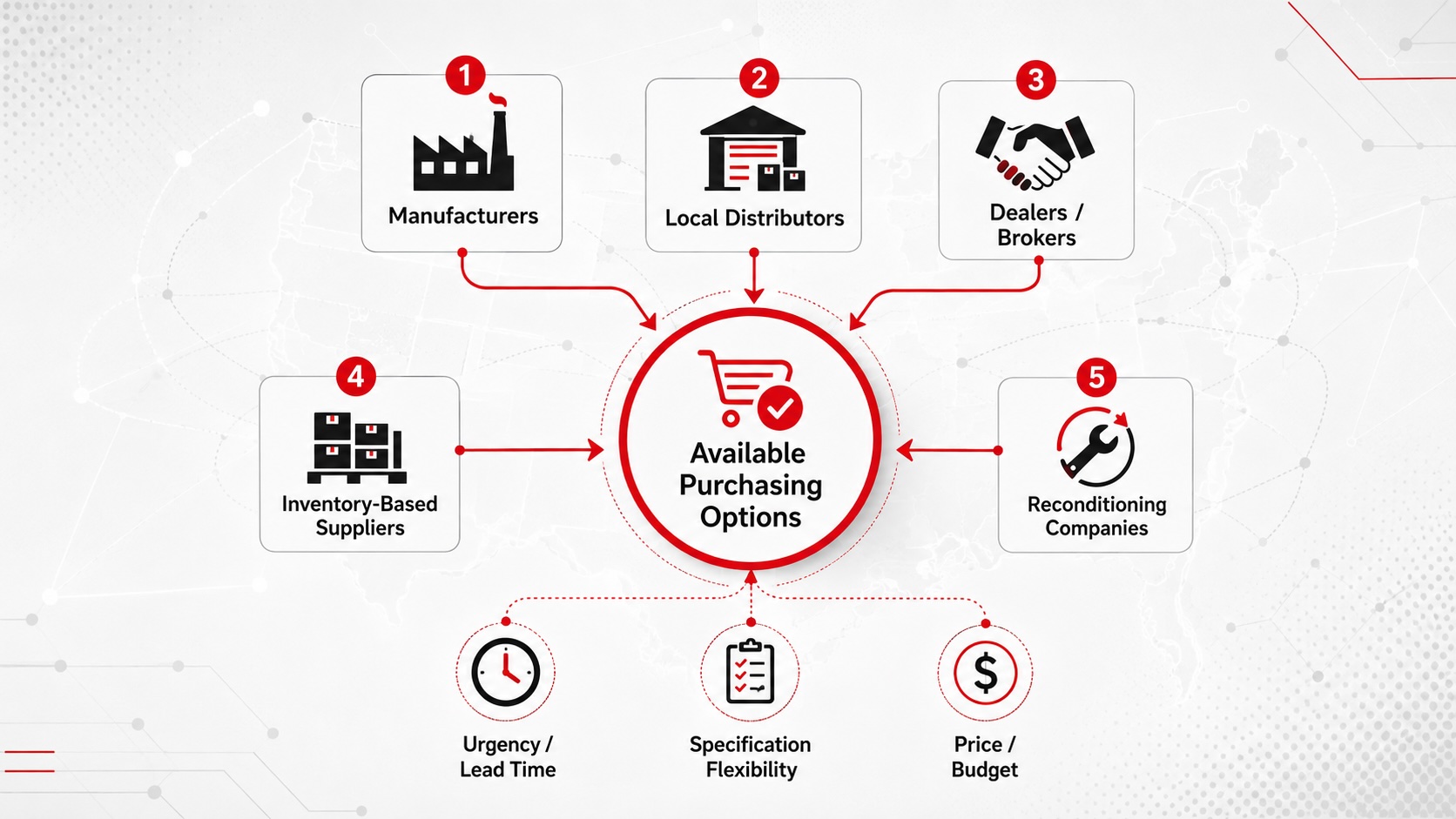
Planning projects early gives suppliers more time to identify inventory and coordinate logistics. Remaining flexible on non-critical specifications may increase available options and reduce manufacturing delays. Evaluating both new and professionally reconditioned transformers can also provide cost-effective solutions for projects with tight schedules.
Most importantly, partnering with an experienced supplier helps buyers navigate changing market conditions and locate equipment that meets both technical requirements and delivery deadlines.
Why UTB Transformers Helps Buyers Stay Competitive
At UTB Transformers, we understand that pricing is only one part of the purchasing decision. Equipment availability, lead times, communication, and reliable delivery all contribute to the overall value of a project.
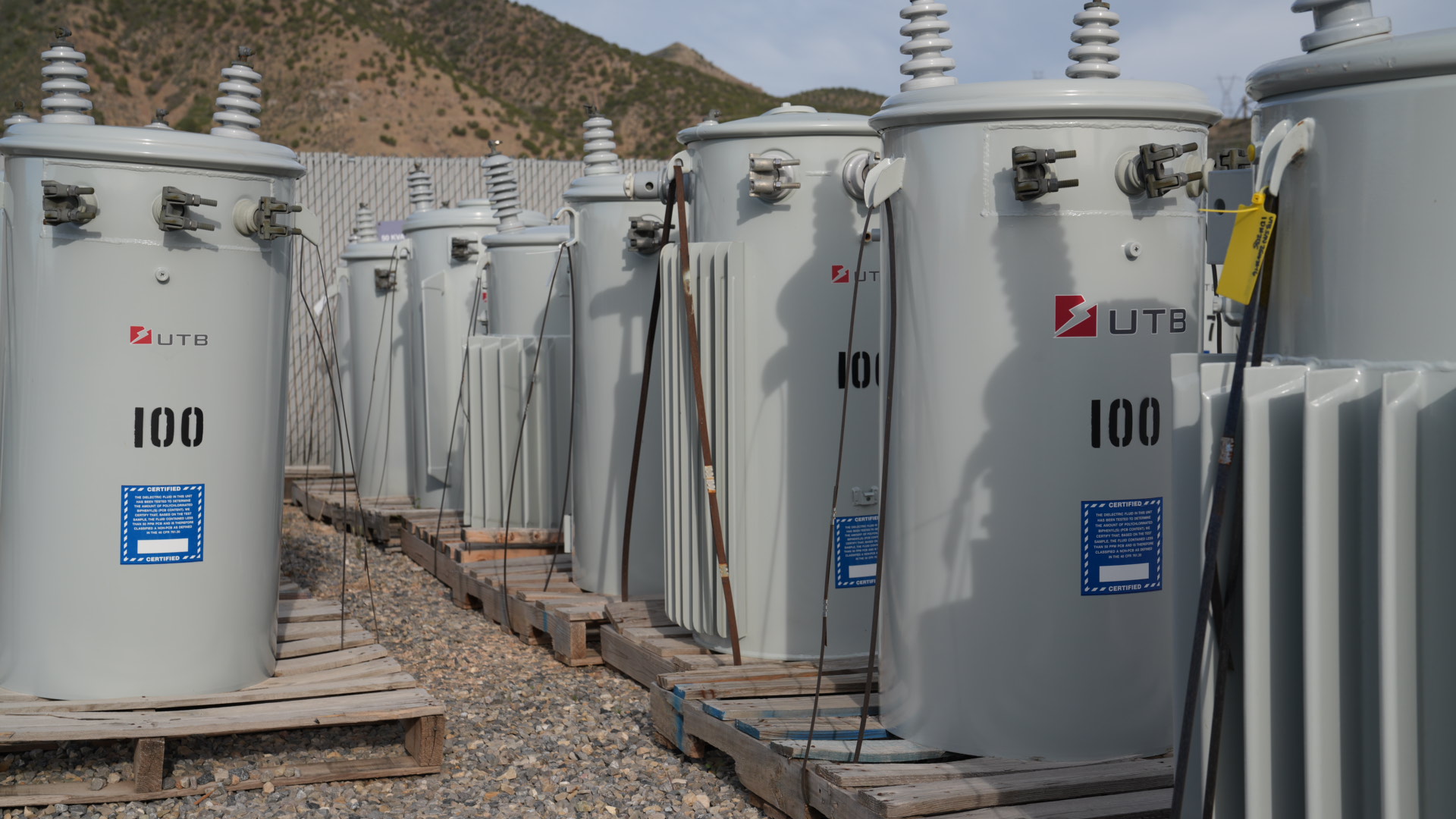
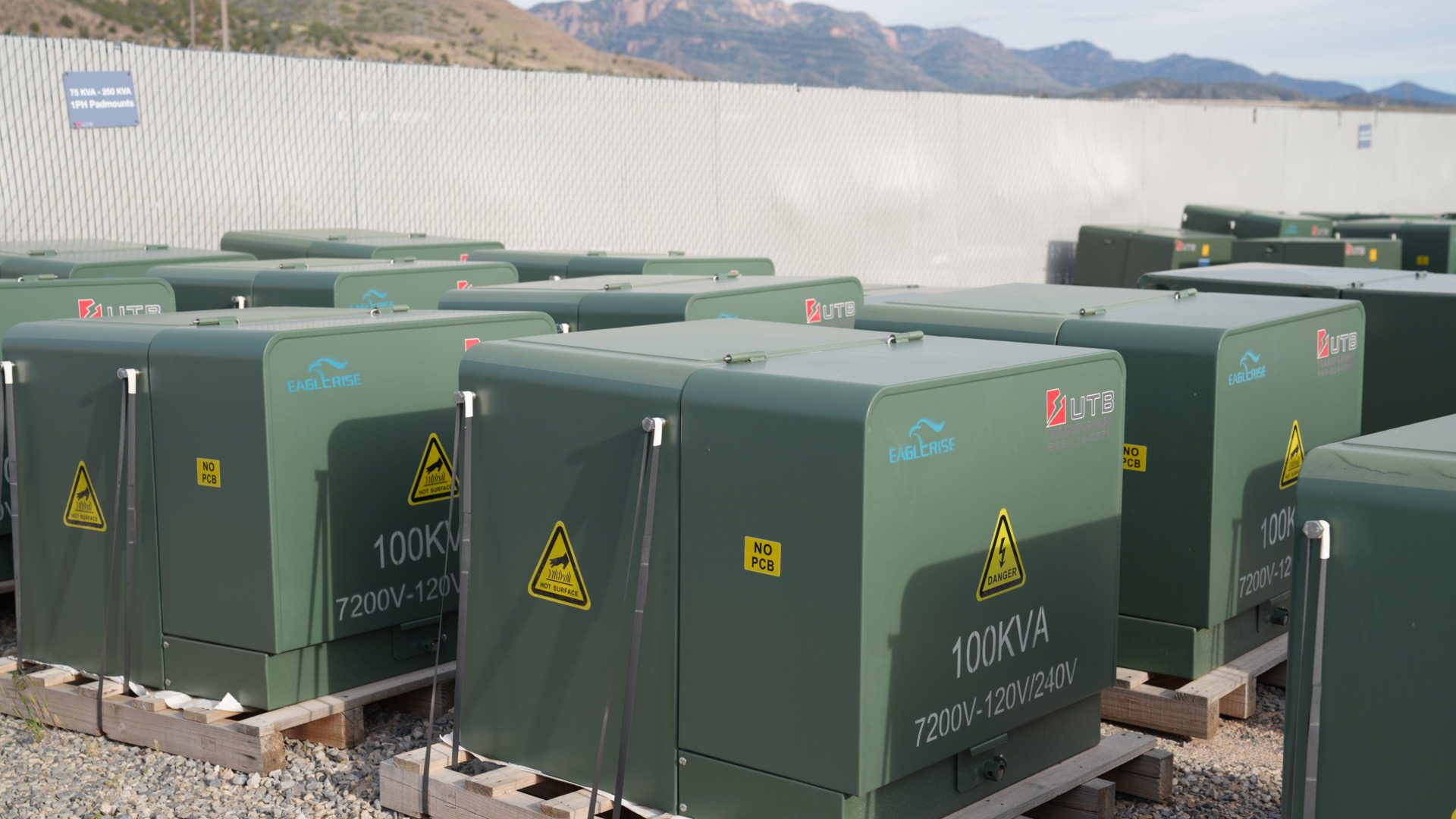
Our team works with customers across North America to source Substation Transformers, Pad Mounted Transformers, Pole Mounted Transformers, and other medium- and high-voltage equipment. With access to ready-to-ship inventory and an extensive supplier network, we help customers respond quickly to changing market conditions.
Whether you’re planning a future project or need equipment immediately, UTB Transformers is committed to delivering dependable solutions with competitive pricing and responsive service.
Request a Quote Today
If you’re looking for competitive transformer pricing backed by industry expertise and fast delivery, UTB Transformers is here to help. Contact our team today to discuss your project requirements, check current inventory, or request a quote. With access to new and reconditioned transformers, we help customers find the right equipment at the right time.