Ordering a transformer seems simple on the surface, but small mistakes during the purchasing process can create major delays, unexpected costs, and operational problems later. Many companies focus heavily on pricing while overlooking important details like lead times, future capacity needs, testing requirements, or application compatibility. In today’s market, where transformer demand remains high and lead times can still fluctuate, planning ahead has become more important than ever.
For industrial facilities, utilities, contractors, and commercial operations, transformers are critical pieces of infrastructure. A mistake during procurement can slow construction timelines, delay energization, or create downtime that affects productivity and revenue. Understanding the most common ordering mistakes can help businesses make better purchasing decisions while avoiding unnecessary complications.
Not Confirming the Correct Transformer Voltage Requirements
One of the biggest mistakes buyers make is assuming existing equipment specifications are automatically correct for a replacement transformer. In many cases, facilities have expanded operations, upgraded equipment, or changed electrical loads over time. Ordering a transformer based only on outdated documentation can lead to serious compatibility issues during installation.
Incorrect voltage configurations may require expensive project revisions, additional engineering work, or even complete equipment replacement if the transformer cannot safely support the application. Problems involving phase configuration, frequency, kVA sizing, or tap arrangements can quickly delay projects and increase costs.
Before ordering a transformer, buyers should carefully confirm:
- Primary voltage
- Secondary voltage
- Phase requirements
- Frequency
- kVA rating
- Indoor or outdoor application
- Cooling requirements
- Mounting configuration
Even small specification mistakes can create major delays once equipment arrives onsite. Reviewing all electrical requirements beforehand helps avoid installation issues and ensures the transformer matches operational demands.
Facilities should also consider how the transformer will integrate with existing infrastructure. Older systems sometimes operate differently than newer equipment, and compatibility problems can arise if specifications are not carefully reviewed. Taking extra time during the planning stage often prevents much larger problems later.
Waiting Too Long to Source Transformers
Another common issue is waiting too long to begin sourcing transformers. Many businesses assume equipment will be readily available when needed, only to discover that lead times are longer than expected or inventory is limited. This becomes especially problematic during emergency replacement situations or large-scale infrastructure projects.
Although supply chain conditions have improved in some areas, transformer demand across the U.S. continues increasing due to industrial expansion, grid modernization, manufacturing growth, and data center development. Utilities and contractors are competing for available inventory, which can quickly tighten supply for certain transformer types.
Companies that delay procurement often face:
- Extended project timelines
- Increased shipping costs
- Limited equipment availability
- Higher pricing during shortages
- Emergency sourcing challenges
In many cases, businesses are now purchasing equipment earlier in the project lifecycle to reduce uncertainty. Securing transformers ahead of construction milestones can help contractors stay on schedule while minimizing the risk of delays caused by inventory shortages.
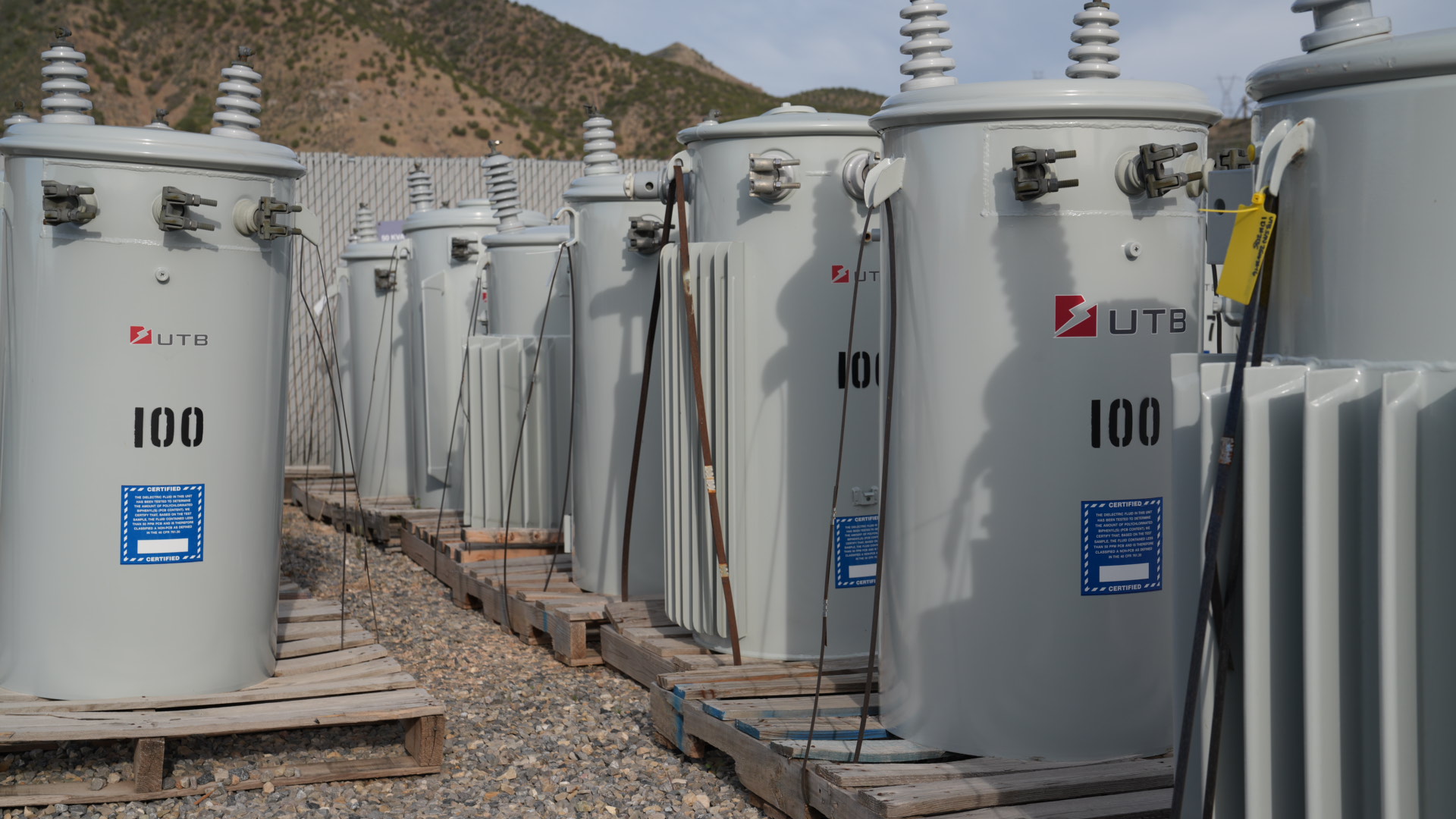
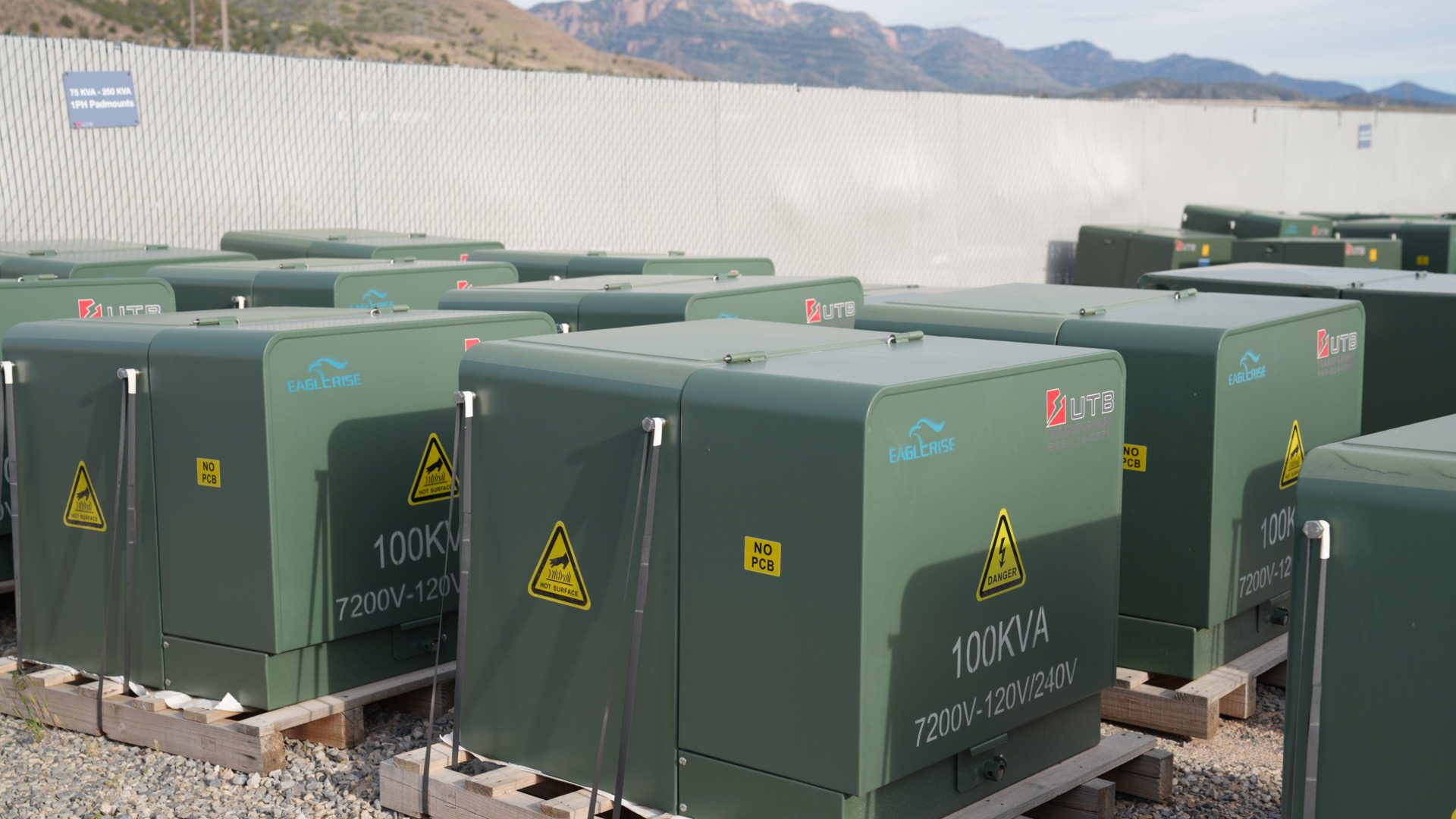
Ready-to-ship inventory has also become increasingly valuable for organizations managing time-sensitive projects. Fast availability can significantly reduce downtime and help facilities restore operations more quickly after unexpected failures.
Planning ahead not only improves equipment availability but also gives buyers more flexibility when comparing options and reviewing specifications. Waiting until the last minute often forces companies into rushed purchasing decisions with fewer available choices.
Overlooking Future Capacity Needs
Many buyers size transformers only for their current electrical load without considering future growth. While this approach may reduce upfront costs, it can create major limitations later if the facility expands operations or adds new equipment.
Industrial facilities, manufacturing plants, and commercial properties frequently experience increasing power demands over time. Installing an undersized transformer may eventually require replacement much sooner than expected, leading to additional labor costs, operational interruptions, and equipment expenses.
Proper transformer sizing should account for:
- Anticipated facility growth
- Additional machinery or equipment
- Future production expansion
- Increased electrical loads
- Long-term operational goals
A transformer operating near maximum capacity for extended periods may also experience increased wear and reduced efficiency. Excessive loading can contribute to overheating, insulation degradation, and shortened equipment lifespan.
Planning for moderate future expansion often provides better long-term value than selecting the smallest possible transformer for immediate needs. Buyers should work closely with engineers or experienced suppliers to evaluate both current requirements and expected growth before finalizing specifications.
Facilities experiencing rapid expansion may also benefit from reviewing long-term electrical infrastructure plans before purchasing new equipment. A slightly larger transformer upfront can sometimes eliminate the need for costly upgrades later.
Focusing Only on Price Instead of Availability
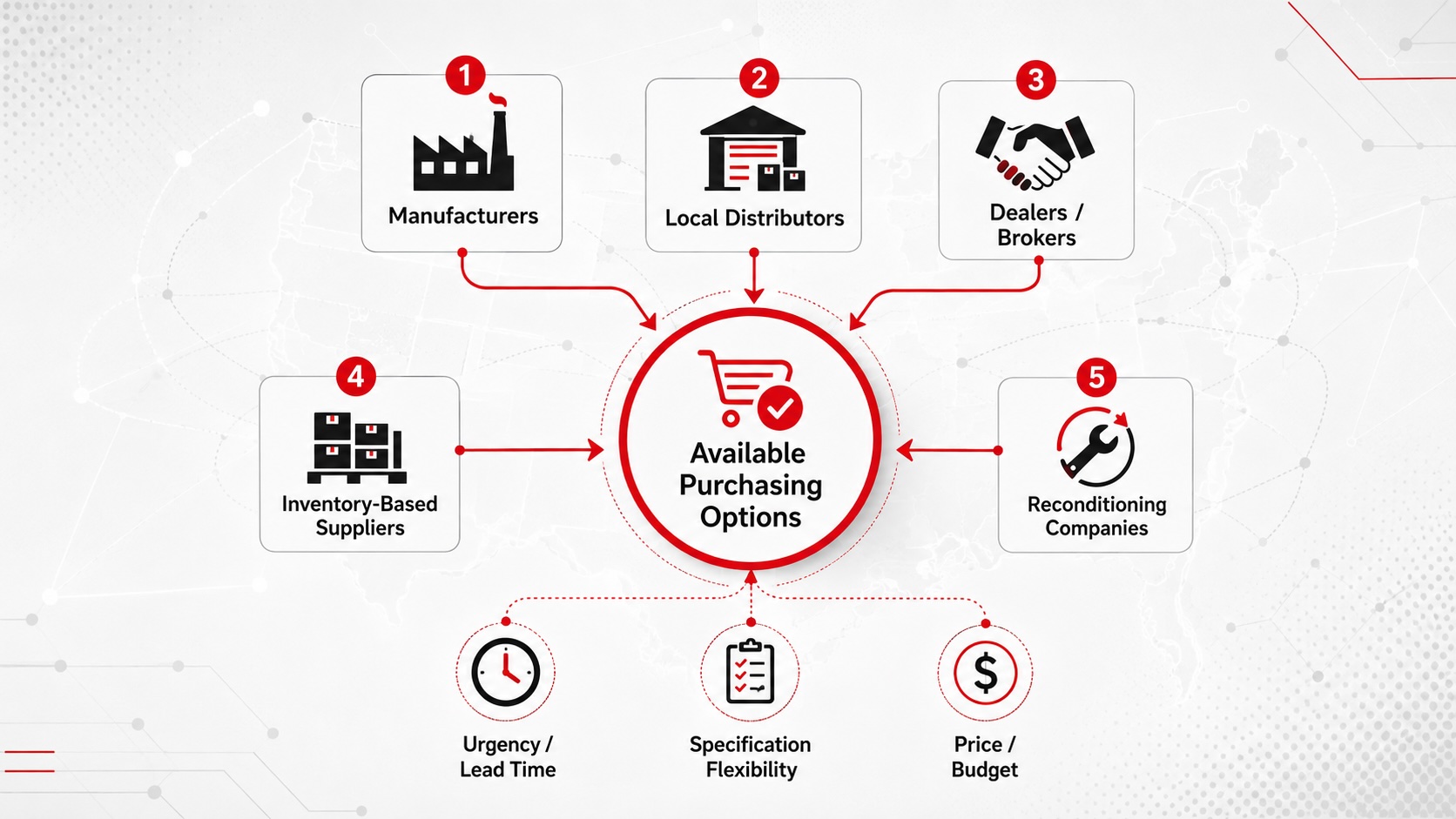
Price is always an important consideration, but many buyers underestimate the financial impact of delays caused by unavailable equipment. Choosing the lowest-priced option may not provide the best overall value if lead times are extended or delivery schedules become uncertain.
In critical operations, downtime costs can quickly exceed any savings achieved through lower equipment pricing. Delayed transformer deliveries may halt production, postpone construction schedules, or interrupt critical infrastructure projects.
Businesses should evaluate several factors beyond purchase price, including:
- Inventory availability
- Lead times
- Supplier responsiveness
- Shipping capabilities
- Testing documentation
- Delivery reliability
For many organizations, securing a transformer quickly is far more valuable than saving a small percentage on upfront equipment costs. Fast delivery and dependable inventory access can help avoid much larger financial losses tied to operational delays.
This has become especially important in industries where electrical downtime directly impacts productivity or revenue. Manufacturing plants, utilities, hospitals, and data centers often prioritize availability and reliability over securing the absolute lowest price.
Reliable communication also matters during the procurement process. Buyers benefit from working with suppliers that provide clear updates, realistic timelines, and accurate equipment information throughout the ordering process.
Not Asking About Transformer Testing and Condition
When purchasing surplus, used, or reconditioned transformers, buyers should always ask detailed questions about equipment condition and testing procedures. Failing to verify inspection records or testing documentation can introduce unnecessary risk.
Reputable suppliers typically provide information regarding:
- Electrical testing
- Insulation resistance
- Oil analysis
- Visual inspections
- Load testing
- Maintenance history
Understanding the condition of a transformer before shipment helps buyers make informed decisions while reducing the likelihood of installation issues later. Proper testing also improves confidence that the equipment will perform reliably once energized.
Some buyers assume all surplus transformers are in similar condition, but that is not always the case. Storage conditions, maintenance history, operating environment, and age can all affect long-term reliability.
Detailed testing documentation provides transparency and helps buyers evaluate overall equipment quality. In many cases, professionally reconditioned transformers can provide excellent value when properly inspected and tested beforehand.
Skipping this step may save time initially, but unexpected issues discovered after delivery can create far greater costs and delays later.
Ignoring Shipping and Site Logistics
Transformer transportation and installation logistics are sometimes overlooked until the equipment is ready to ship. Large transformers often require specialized transportation, unloading equipment, and site preparation that must be coordinated in advance.
Buyers should confirm:
- Equipment dimensions
- Weight
- Delivery access
- Crane requirements
- Pad compatibility
- Site clearance
- Transportation restrictions
Failing to prepare for delivery can result in scheduling delays, additional freight charges, or installation complications. In some cases, equipment may arrive onsite before the location is fully prepared to receive it.
Coordinating logistics early helps ensure smoother delivery and installation while minimizing project interruptions. Communication between suppliers, contractors, and facility teams is critical during this stage of the process.
For emergency replacements, logistics become even more important because downtime pressure often compresses project timelines significantly.
Not Working With an Experienced Transformer Supplier
Transformer procurement can involve complex technical requirements, especially for industrial or utility applications. Buyers who work with inexperienced suppliers may encounter communication issues, inaccurate specifications, or unreliable delivery timelines.
Experienced suppliers can often help identify potential issues early in the process while guiding buyers toward equipment that best fits the application. They may also provide insights regarding lead times, inventory trends, or suitable alternatives when specific models are unavailable.
Strong supplier relationships become especially valuable during emergency situations where speed and accuracy are critical. Companies that work with reliable suppliers often experience fewer delays and smoother procurement overall.
Support after the sale also matters. Questions involving startup procedures, testing, shipping coordination, or technical documentation can arise during installation. Responsive suppliers help simplify these situations and improve the overall purchasing experience.
What does this mean?
Ordering a transformer involves much more than selecting a voltage rating and requesting a quote. Specification accuracy, lead times, future capacity planning, equipment condition, and logistics all play important roles in project success. Small mistakes early in the procurement process can quickly turn into expensive delays later.
As transformer demand continues increasing across industrial, utility, and commercial markets, planning ahead has become increasingly important. Businesses that carefully evaluate their requirements, secure equipment early, and work with experienced suppliers are often better positioned to avoid downtime and keep projects moving forward.
Whether purchasing new, surplus, or reconditioned equipment, taking a strategic approach to transformer procurement can help reduce risk, improve reliability, and support long-term operational goals. UTB Transformers is proud to provide great customer satisfaction, helpful insights, and reliable transformers to all of North America. Need a pole-mount, pad-mount, or substation transformer? UTB transformers excels at fast lead times, and great quality. Call or Email us today for a quote!