
The Power Grid: Key Transformer Types Explained
Transformers are built in different ways depending on the role they need to perform in the electrical system. While they all operate on the same basic principle, their design, size, and operating conditions vary significantly. Among the most important types used across the power grid are power transformers, distribution transformers, step-up transformers, and step-down transformers. Each one is designed for a specific stage in the movement of electricity, from generation to end use.
Power Transformers
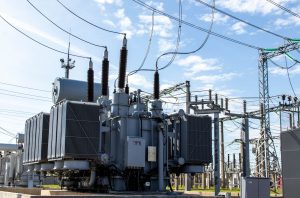
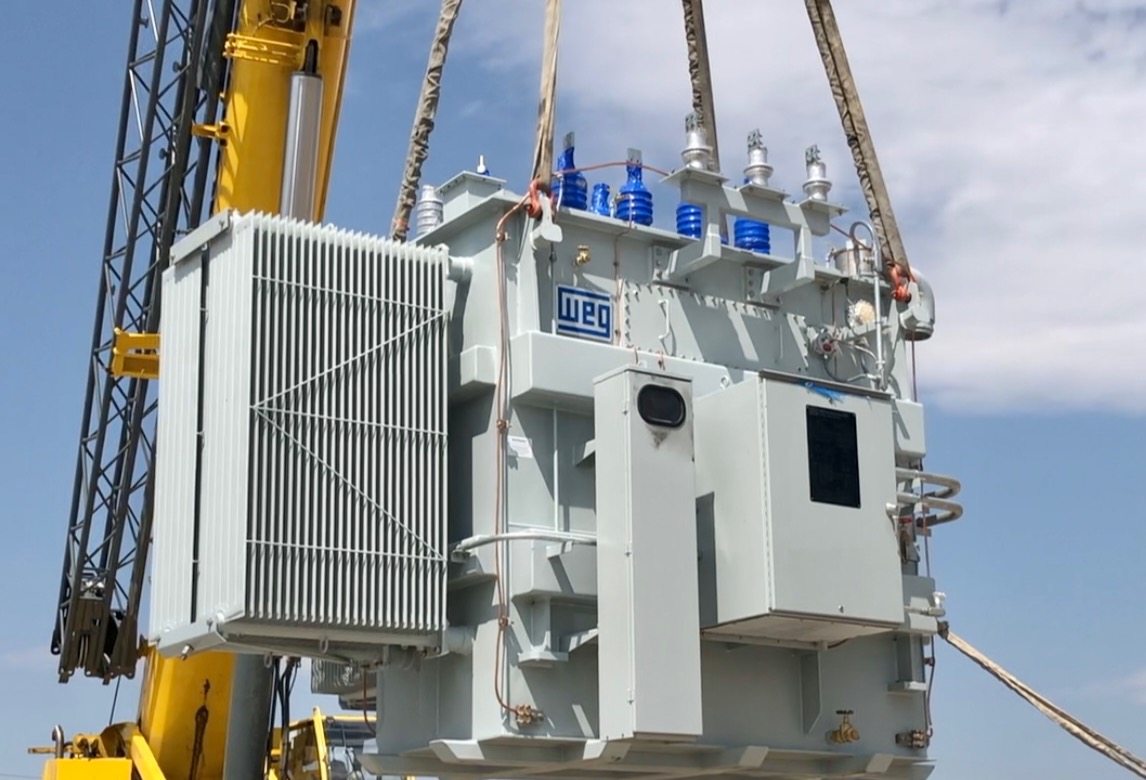
Power transformers are used in high-voltage environments where large amounts of electricity need to be transferred efficiently. These transformers are typically installed at power plants and major substations, where electricity enters or exits the transmission network. They are designed to handle very high voltage levels and large loads, making them essential for moving electricity across long distances without excessive energy loss. Because transmission efficiency is critical at this stage, power transformers are engineered to operate at or near full load for long periods of time.
In terms of construction, power transformers are usually large, complex units that rely on liquid insulation and cooling systems to maintain performance under heavy electrical stress. They are built for durability and long service life, often operating for decades with proper maintenance. Since they serve such a critical role in the grid, reliability is a top priority, and failures can have wide-reaching impacts. For this reason, power transformers are equipped with monitoring systems and protective features to ensure stable operation in demanding conditions.
Distribution Transformers
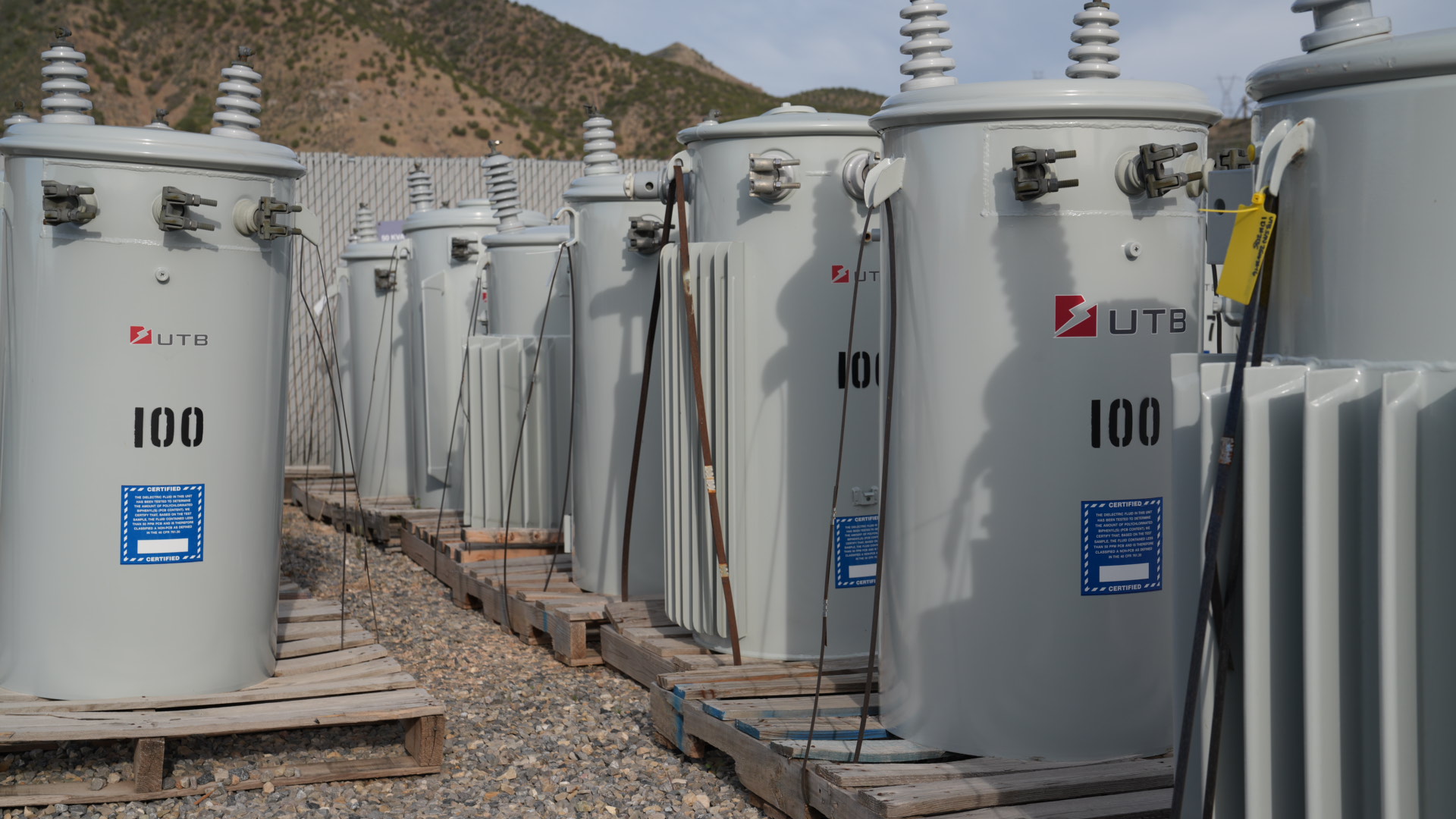
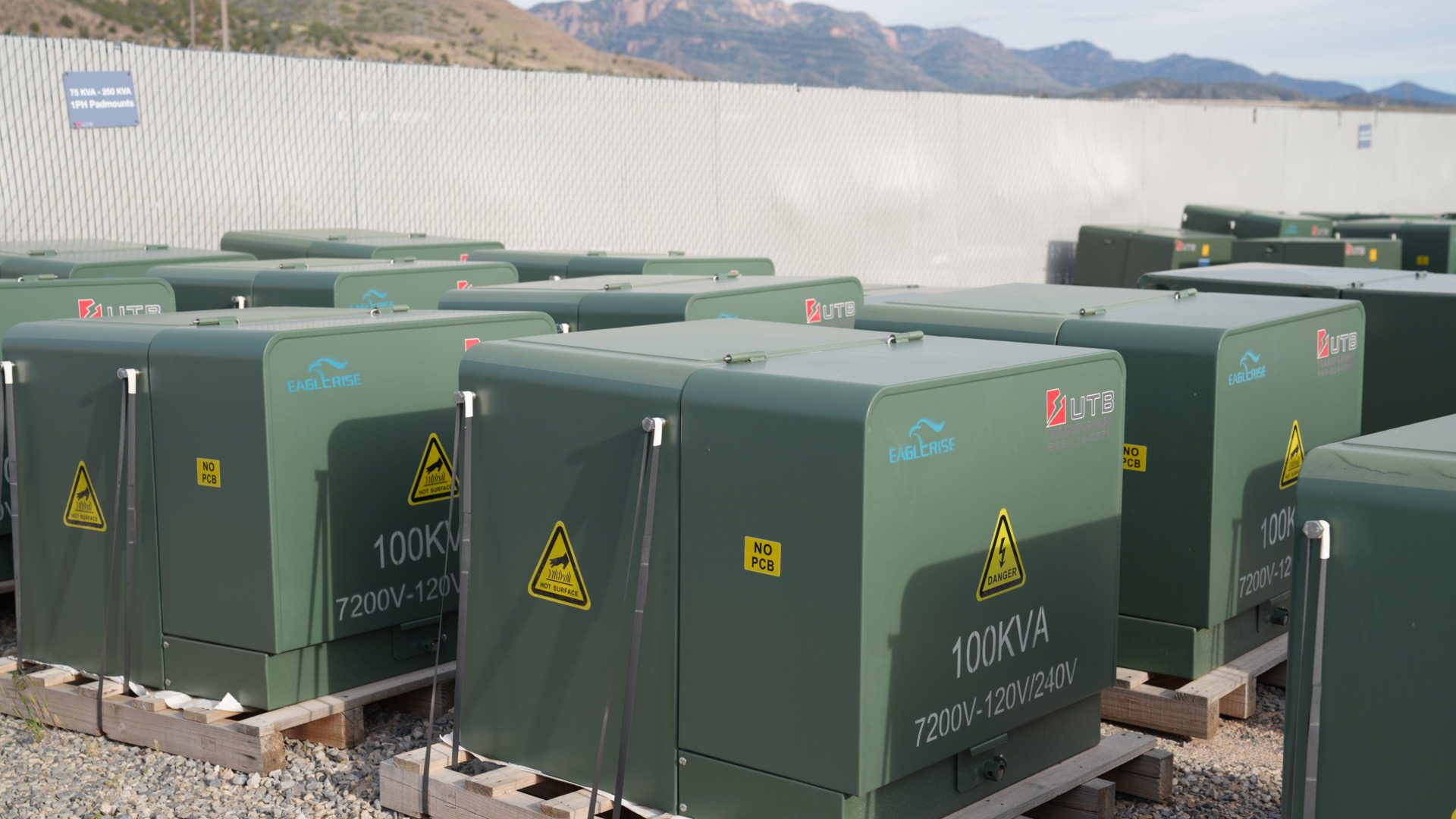
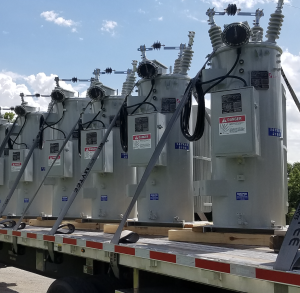
Distribution transformers are used closer to the end user, where electricity needs to be converted into safe and usable voltage levels. After power has been transmitted across long distances at high voltage, it is routed through distribution networks where these transformers step it down for residential, commercial, and light industrial use. They are commonly seen mounted on utility poles or installed at ground level in enclosed units, depending on the layout of the local power system.
Unlike larger transformers that operate under steady conditions, distribution transformers must handle fluctuating demand throughout the day. Electricity usage changes depending on time, location, and activity, and these transformers are designed to perform efficiently under varying loads. They typically operate continuously, making efficiency and reliability key considerations in their design. Because they are deployed in large numbers across the grid, their overall impact on energy efficiency and service reliability is significant.
Step-Up Transformers
Step-up transformers are used to increase voltage levels within the power system. They are most commonly found at power generation facilities, where the electricity produced by generators must be raised to a higher voltage before entering transmission lines. Increasing the voltage allows electricity to travel longer distances with reduced losses, making the entire system more efficient. Without step-up transformers, long-distance transmission would be far less practical and much more costly.
These transformers are built to handle high power output and are designed for continuous operation as part of the generation process. Their performance directly affects how efficiently electricity can be transmitted across the grid. While they are often associated with power plants, step-up transformers can also be used in other applications where voltage needs to be increased to meet system requirements. Their role is essential in ensuring that energy can move effectively from where it is produced to where it is needed.
Step-Down Transformers
Step-down transformers are used throughout the power system to reduce voltage to appropriate levels for different applications. After electricity has been transmitted at high voltage, it must be lowered in stages before it can be safely used by homes, businesses, and equipment. Step-down transformers perform this task at substations and throughout distribution networks, ensuring that voltage levels match the needs of specific users.
These transformers are critical for both safety and functionality. Electrical systems and devices are designed to operate within certain voltage ranges, and supplying power at too high a voltage would cause damage or create hazards. Step-down transformers make it possible to deliver electricity in a controlled and usable way, adapting high-voltage power to everyday applications. Their widespread use across the grid makesthem one of the most essential transformer types in ensuring reliable and safe power delivery.
Each of these transformer types plays a distinct role in how electricity is handled across the grid. Power transformers manage high-voltage energy, distribution transformers bring power to end users, and step-up and step-down transformers control voltage levels along the way. Together, they form a complete system that allows electricity to move efficiently from generation to consumption, supporting everything from large-scale infrastructure to everyday power use.