When a transformer is needed, timing often becomes just as important as price and specifications. Whether you’re replacing a failed unit, expanding an existing facility, or supplying equipment for a new project, delays in transformer procurement can create significant setbacks. Construction schedules, utility upgrades, and industrial operations all depend on electrical equipment arriving when it is needed. Understanding what affects transformer lead times can help buyers make better purchasing decisions and avoid costly project delays.
In today’s market, transformer availability varies widely depending on the type of unit, its specifications, and whether the equipment is new or already available in inventory. While some transformers can be sourced relatively quickly, others may require months of manufacturing, testing, and transportation before reaching their final destination.
What Determines Transformer Lead Time?
Several factors influence how long it takes to receive a transformer. The most obvious factor is whether the transformer already exists or needs to be manufactured. A transformer that is available in inventory can often be sourced and shipped significantly faster than a custom-built unit that must go through a factory production schedule.
Specifications also play a major role. Standard voltage configurations and common kVA ratings are generally easier to locate than highly specialized units. As specifications become more unique, the pool of available equipment becomes smaller, which can increase sourcing and manufacturing timelines. Factors such as cooling class, impedance requirements, tap configurations, and utility-specific standards can all affect availability.
Market conditions also influence lead times. Increased demand from utilities, industrial facilities, renewable energy projects, and infrastructure upgrades can create manufacturing backlogs that extend delivery schedules. When production capacity is limited, lead times often increase across the industry.
Lead Times for New Transformers
New transformers provide the advantage of factory production, original manufacturing documentation, and equipment built specifically to the customer’s requirements. However, these benefits often come with longer wait times.
Manufacturers must secure raw materials, schedule engineering resources, build the unit, perform testing, and coordinate shipping before delivery can occur. Depending on transformer size and complexity, this process can take anywhere from several months to well over a year. Larger transformers generally require longer production schedules due to the amount of engineering and testing involved.
For buyers working on projects with fixed deadlines, factory lead times can become a significant challenge. Waiting for a production slot may not always align with construction schedules or operational requirements, leading many organizations to explore inventory-based solutions.
Substation Transformer Lead Times
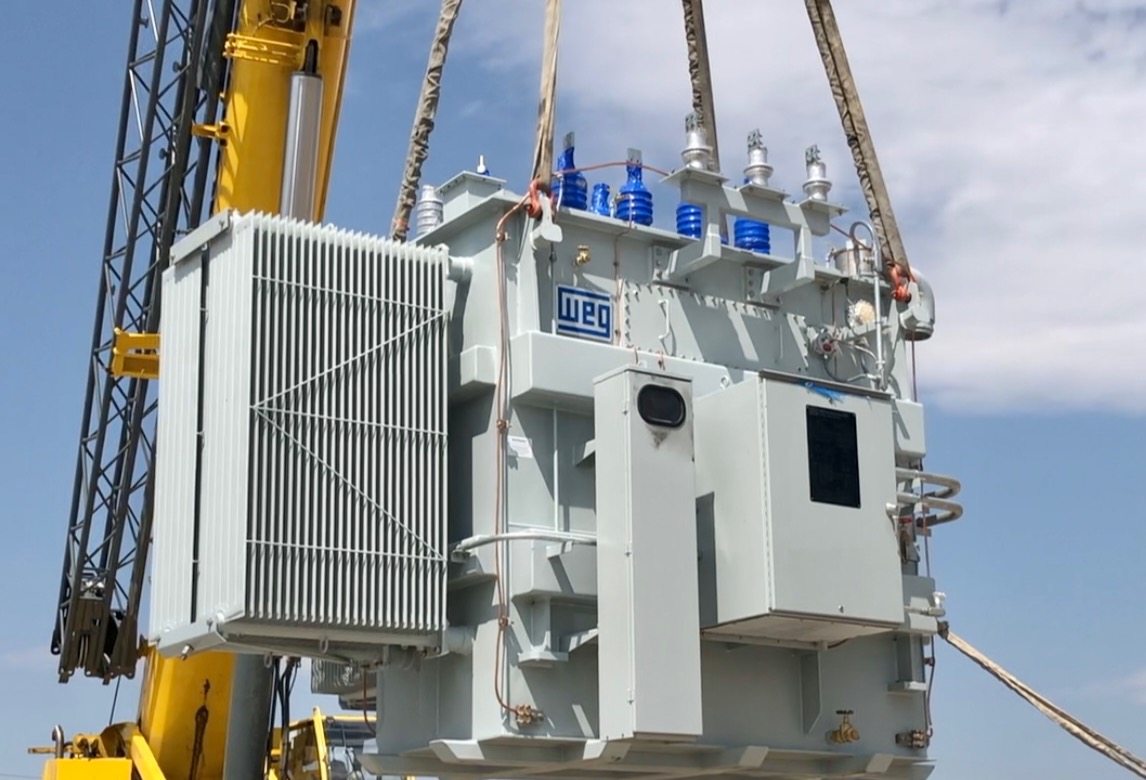
Substation transformers typically have some of the longest lead times in the transformer industry. These units are designed for critical applications and often require custom engineering, extensive testing, and specialized transportation arrangements. Because of their size and complexity, manufacturers may require substantial production time before delivery.
Depending on voltage class, MVA rating, and project requirements, new substation transformers can have lead times ranging from several months to more than a year. This timeline can create challenges for utilities, industrial facilities, and contractors working under strict project schedules. For that reason, many buyers first investigate available inventory before committing to a new production order.
Access to existing inventory can dramatically reduce project delays. In some cases, a suitable substation transformer can be sourced and delivered in a fraction of the time required for factory production.
Pad Mounted Transformer Availability
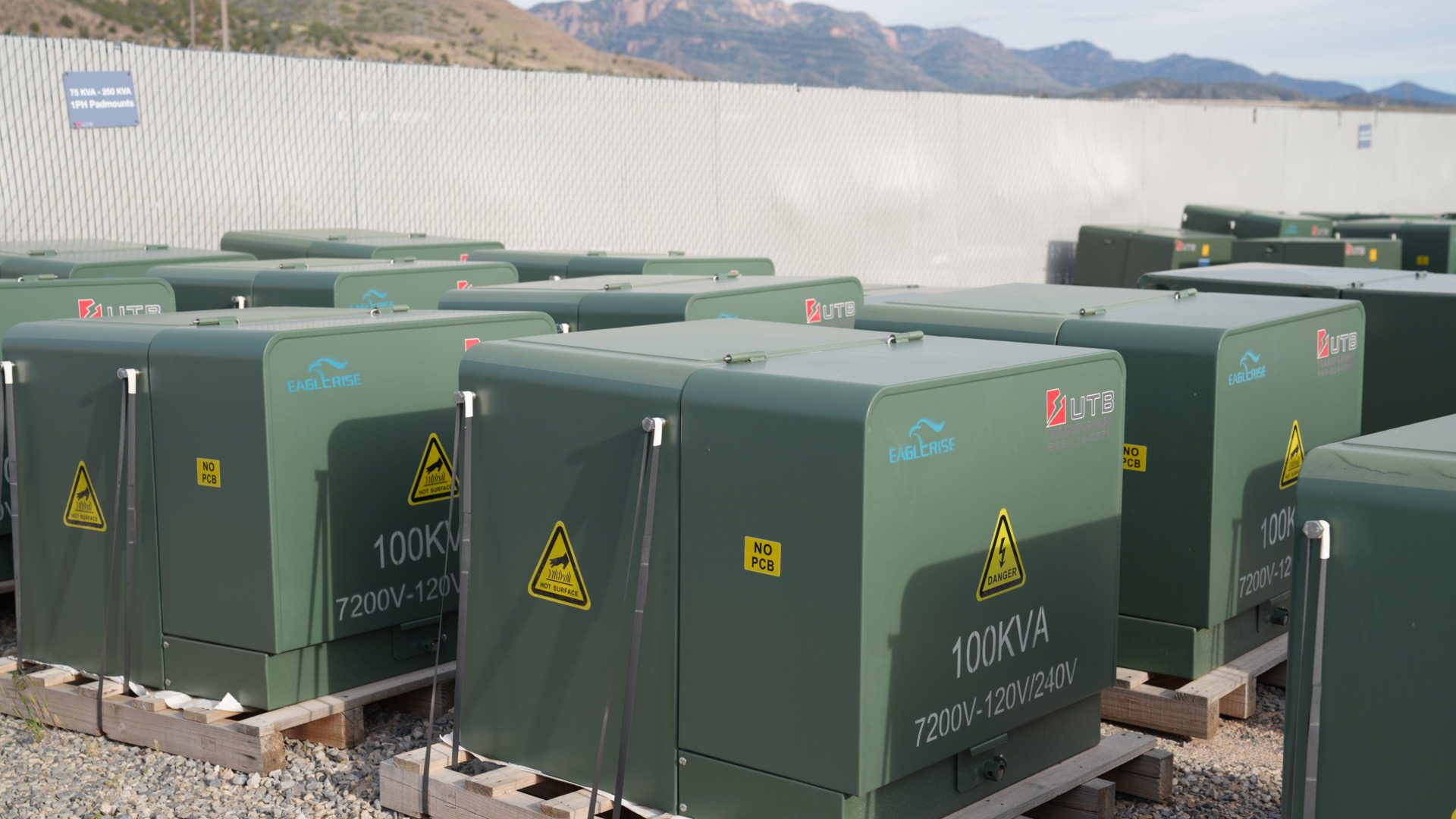
Pad mounted transformers remain one of the most commonly used transformer configurations throughout North America. They serve commercial developments, industrial facilities, residential subdivisions, renewable energy projects, and utility distribution systems. Because demand remains consistently high, availability can vary significantly throughout the year.
Common voltage and kVA combinations are generally easier to source than highly specialized configurations. However, regional demand and utility requirements can impact inventory levels. During periods of increased construction activity, lead times for new pad mounted transformers may increase as manufacturers work through growing order backlogs.
Buyers who have flexibility in their specifications often have more sourcing options available. When project timelines are tight, locating an available unit can provide a much faster solution than waiting for factory production.
Pole Mounted Transformer Lead Times
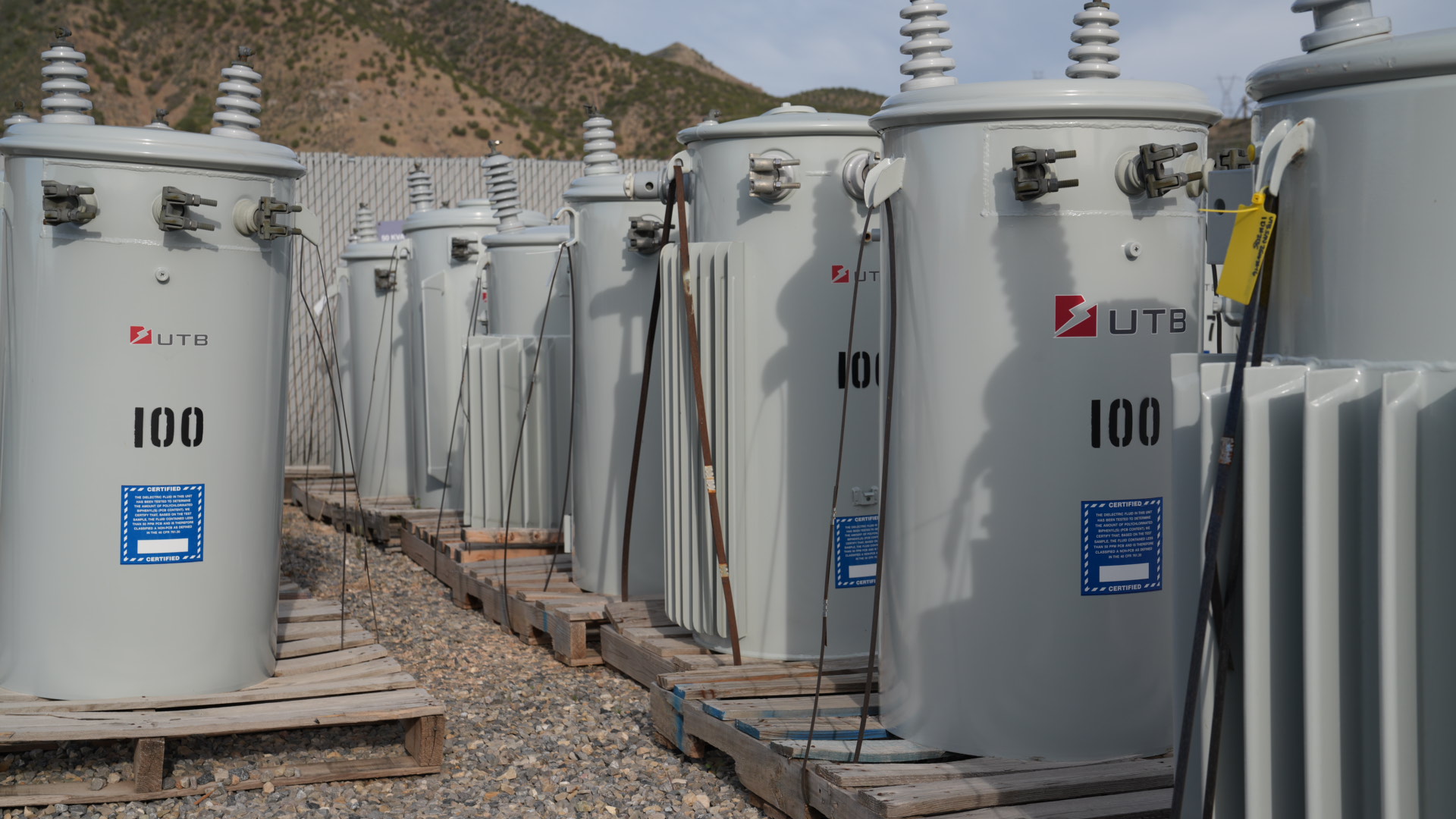
Pole mounted transformers continue to play a vital role in electrical distribution systems across North America. Utilities rely on these transformers to serve residential, commercial, and rural electrical networks. Because they are so widely used, demand for certain ratings can fluctuate significantly depending on regional infrastructure projects and replacement cycles.
Standard pole mounted transformers are often easier to locate than highly customized equipment. However, availability can still vary based on voltage requirements, kVA rating, and utility specifications. Buyers who need immediate replacements frequently benefit from working with suppliers that have access to multiple inventory sources throughout the market.
When outages occur or replacement schedules become urgent, reducing lead time becomes the top priority. Access to available inventory can help restore service much faster than waiting for new manufacturing.
New vs. Reconditioned Transformers
One of the most important factors affecting lead time is whether a buyer requires a new transformer or is willing to consider a reconditioned unit. New transformers offer the benefit of factory production and original manufacturing documentation, but they often involve significantly longer wait times.
Reconditioned transformers can provide a practical alternative when speed is critical. Many reconditioned units undergo inspection, testing, refurbishment, and evaluation before being returned to service. When properly sourced and tested, these transformers can help organizations meet project schedules while avoiding lengthy manufacturing delays.
For facilities facing equipment failures or contractors working against deadlines, availability often becomes the deciding factor. A quality reconditioned transformer may provide a much faster path to project completion than waiting for a new production slot.
Additional Factors That Impact Delivery
Even after a transformer has been located or manufactured, several factors can affect final delivery schedules. Transportation logistics are often overlooked during the purchasing process but can add significant time to a project timeline.
Large transformers may require specialized freight carriers, permits, route planning, and coordinated unloading procedures. Weather conditions, site readiness, and testing requirements can also impact delivery schedules. Buyers should account for these factors early in the planning process to avoid unexpected delays after the transformer has been secured.
Working with experienced suppliers can help streamline transportation planning and reduce potential complications during delivery.
How Buyers Can Reduce Lead Times
Although some delays are unavoidable, there are several steps buyers can take to improve sourcing speed. One of the most effective strategies is providing complete specifications at the beginning of the sourcing process. The more information available upfront, the faster suppliers can identify suitable inventory and evaluate available options.
Important information typically includes kVA rating, primary voltage, secondary voltage, phase configuration, cooling class, impedance requirements, and physical dimensions. Providing a project timeline is also helpful, as it allows suppliers to focus on solutions that align with the customer’s schedule.
Buyers who begin the sourcing process early and remain flexible where possible often have the greatest success in reducing lead times.
Finding Available Transformers Faster
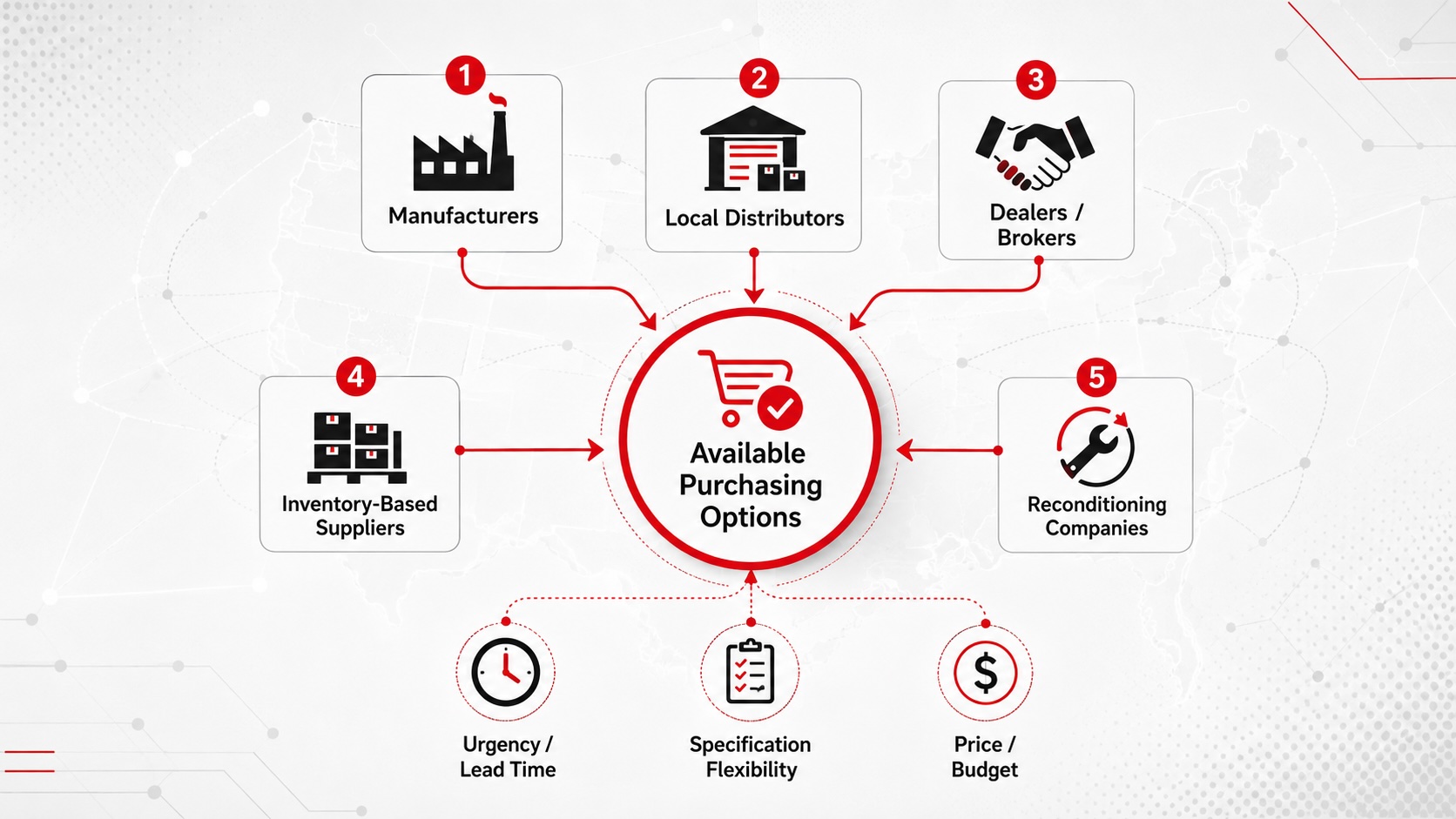
As transformer demand continues to grow, many organizations are shifting their focus from manufacturing lead times to inventory availability. Rather than waiting months for a custom production schedule, buyers are increasingly searching for existing inventory that meets their project requirements.
This approach can significantly reduce downtime, accelerate construction schedules, and help facilities restore operations more quickly following equipment failures. In many cases, finding the right transformer already available in the market is the fastest path to keeping a project on track.
Need a Transformer Without the Wait?
Long transformer lead times continue to impact utilities, contractors, industrial facilities, and developers across North America. Whether you’re looking for a substation transformer, pad mounted transformer, pole mounted transformer, or another transformer type, availability often determines how quickly your project can move forward.
UTB Transformers specializes in sourcing ready-to-ship new and reconditioned transformers throughout North America. If you’re looking to reduce lead times and find available inventory quickly, contact our team today to request a quote and discuss your transformer requirements.