One of the most common questions buyers ask when sourcing a transformer is, “How much will it cost?” While the answer may seem straightforward, transformer pricing can vary significantly depending on several factors. Two transformers may appear similar on the surface, yet have dramatically different price points based on their specifications, condition, availability, and delivery requirements.
Understanding what impacts transformer pricing can help utilities, contractors, industrial facilities, and power producers make more informed purchasing decisions. While every project is unique, knowing the factors that influence cost can help buyers establish realistic expectations and identify the best solution for their application.
Transformer Size and Electrical Specifications
One of the biggest factors affecting transformer pricing is the unit’s electrical rating. Larger transformers require more materials, larger cores and coils, increased cooling capacity, and more extensive testing procedures. As transformer size increases, costs generally rise as well.
Voltage requirements also play a major role. Higher voltage transformers typically involve more complex designs, specialized components, and stricter manufacturing standards. A transformer designed for utility or substation applications will often carry a higher price than a smaller distribution unit due to the additional engineering and equipment involved.
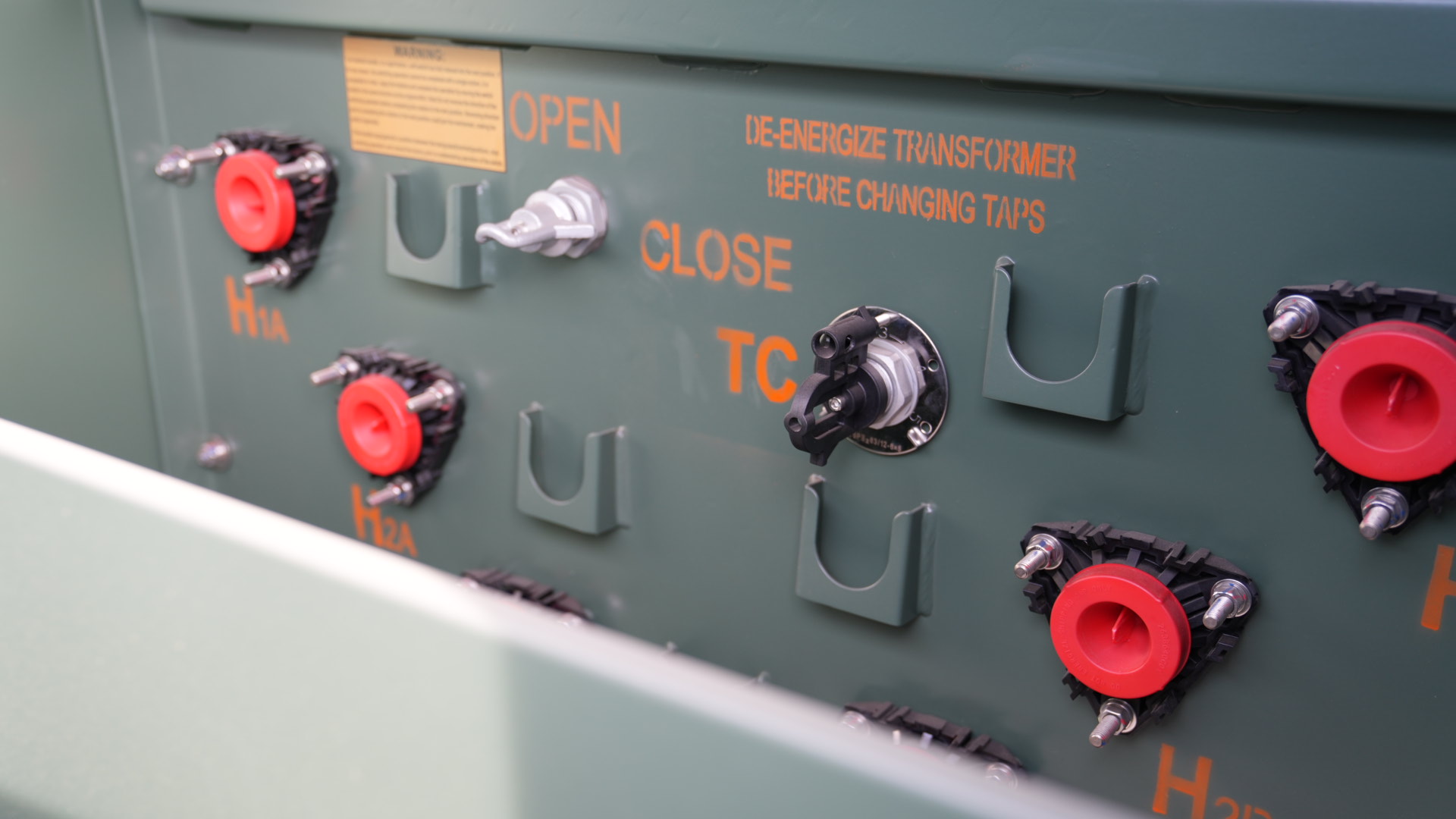
Specifications beyond voltage and kVA rating can also influence pricing. Impedance requirements, cooling systems, tap changers, and other design features may increase complexity and impact the final cost of the transformer.
New, Used, and Reconditioned Equipment Price
The condition of a transformer can significantly affect its price. New transformers often command the highest cost because they are built to current specifications and come directly from the manufacturer. However, manufacturing lead times can sometimes make new equipment less practical for projects requiring immediate delivery.
Used transformers are often available at lower price points, but buyers should understand the condition of the equipment and review any available testing records before making a purchase. The history, maintenance records, and overall condition of a used transformer can influence its value.
Reconditioned transformers provide an alternative that many buyers consider when balancing budget and performance. Properly reconditioned units undergo inspection, testing, and refurbishment before being returned to service. For many applications, reconditioned equipment can provide a cost-effective solution while reducing lead times compared to new manufacturing.
Availability and Market Conditions
Availability can have a major impact on transformer pricing. When inventory is readily available, buyers may have more options and greater flexibility. However, when certain transformer types become difficult to source, pricing can be affected by increased demand and limited supply.
Market conditions also play a role. Demand from utilities, industrial projects, renewable energy developments, and infrastructure upgrades can all influence the availability of transformer inventory. As demand increases, competition for available units often increases as well.
For buyers working under strict schedules, paying a premium for available inventory may be preferable to waiting months for manufacturing lead times. In many cases, the cost of project delays can exceed the difference in equipment pricing.
Transportation and Logistics
The cost of moving a transformer is often overlooked during the budgeting process. Transportation requirements can vary dramatically depending on transformer size, weight, and destination. Smaller distribution transformers are generally easier to transport, while larger power and substation transformers may require specialized equipment and logistical planning.
Oversized loads frequently involve permits, route planning, escort vehicles, and coordination with transportation providers. These requirements can add meaningful costs to a project, particularly when equipment must travel long distances or reach remote locations.
Because transportation costs can vary significantly, buyers should consider delivery requirements early in the procurement process. Understanding shipping logistics upfront helps create a more accurate picture of total project costs.
Specialized Features and Custom Requirements
Not all transformers are built to identical specifications. Certain projects require specialized features that can influence pricing. Custom voltage configurations, specific cooling methods, unique enclosure requirements, or advanced accessories may all contribute to higher equipment costs.
Some buyers require transformers that meet strict utility standards or project-specific engineering requirements. While these features may be necessary for the application, they often add complexity to the procurement process and can increase overall pricing.
Balancing project requirements with available inventory is often one of the most effective ways to control costs. In some situations, sourcing an available transformer that closely matches project specifications may offer significant advantages compared to pursuing a fully customized solution.
Looking Beyond the Initial Purchase Price
While pricing is always an important consideration, focusing solely on the lowest number can sometimes create challenges later. Factors such as condition, testing, documentation, availability, and supplier support all contribute to the overall value of a transformer purchase.
A lower-priced unit may not always be the most cost-effective option if additional repairs, delays, or logistical complications arise. Evaluating the complete package helps buyers make decisions that support both project timelines and long-term reliability.
Working with an experienced supplier can help identify available options, verify specifications, and simplify the procurement process. In many cases, the right transformer is not simply the lowest-cost unit, but the one that best balances performance, availability, and overall project requirements.
Finding the Right Transformer for Your Budget
Transformer pricing is influenced by a variety of factors, including size, voltage class, condition, availability, transportation requirements, and project-specific specifications. Understanding these variables helps buyers navigate the procurement process with greater confidence and identify solutions that meet both operational needs and budget expectations.
UTB Transformers helps utilities, contractors, industrial facilities, and power producers source new and reconditioned transformers throughout North America. Whether you are looking for a pad mounted, pole mounted, substation, auto, or mobile transformer, our team can help you locate available inventory and explore options that fit your project requirements.
Need pricing on a transformer? Contact UTB Transformers today to request a quote and discuss available inventory.