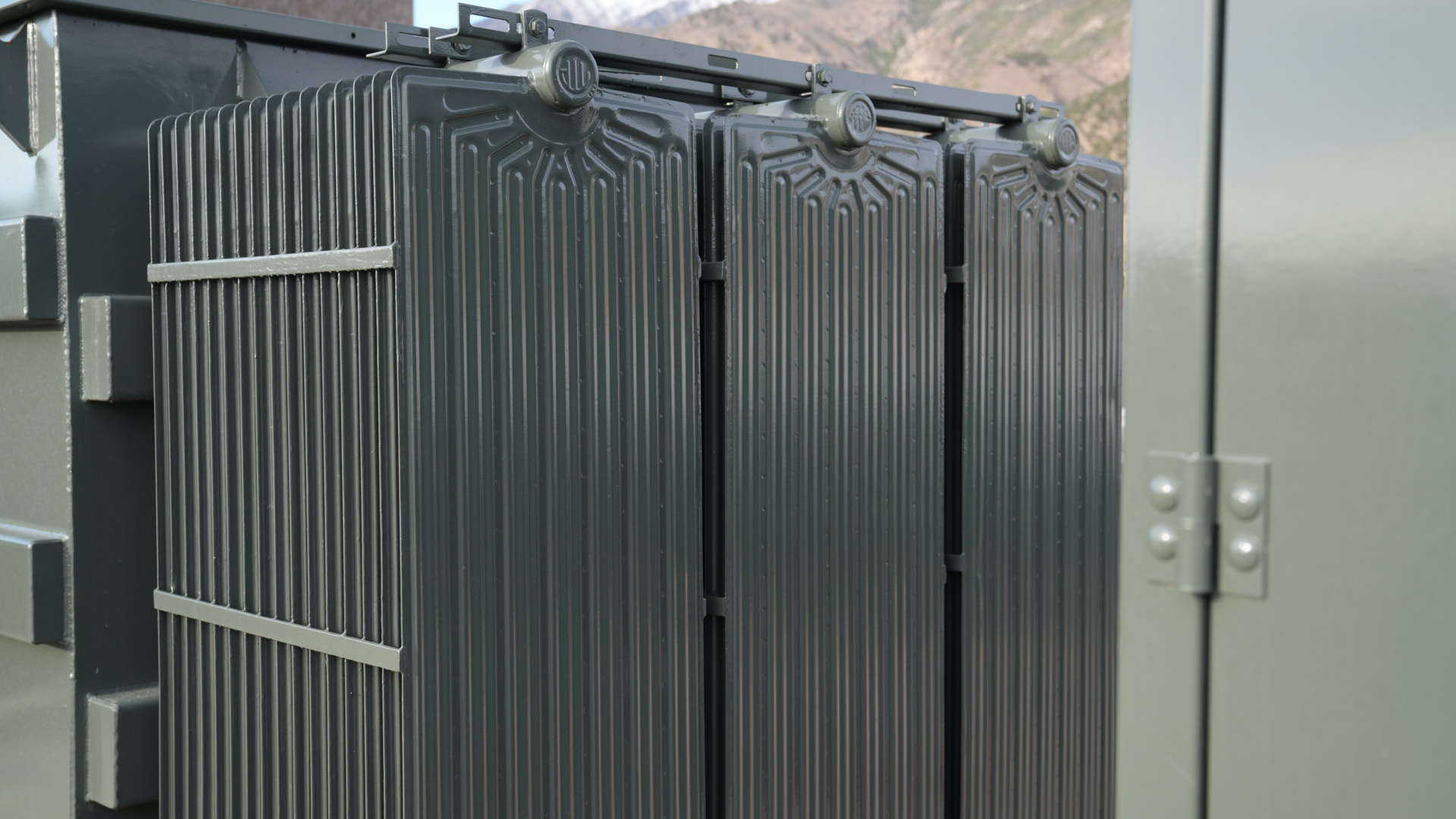
Across North America, utilities are investing billions of dollars to modernize aging electrical infrastructure. Decades-old substations, transmission systems, and distribution networks are being upgraded to improve reliability, expand capacity, and support growing electricity demand. As these projects accelerate, the transformer market continues to experience significant changes.
For utilities, contractors, industrial facilities, and developers, understanding these market shifts is becoming increasingly important. Infrastructure investments affect equipment availability, pricing, manufacturing capacity, and project planning. Companies that recognize these trends early are often better positioned to secure the transformers they need before project schedules are impacted.
Why Utilities Are Investing More Than Ever
Much of North America’s electrical grid was built decades ago. While many transformers remain reliable, aging infrastructure requires replacement to meet today’s energy demands and reliability standards.
Population growth, increased industrial activity, electrification, and the expansion of renewable energy projects have placed additional pressure on existing utility systems. Utilities are responding by replacing aging substations, expanding distribution networks, and increasing transmission capacity.
These long-term investments are expected to continue for years, creating sustained demand for medium- and high-voltage transformers throughout the market.
Grid Modernization Is Increasing Transformer and Equipment Demand
Modern electrical grids require more than simply replacing old equipment. Utilities are building systems capable of supporting greater electrical loads while improving operational flexibility and resilience.
New substations, upgraded feeders, renewable energy interconnections, and transmission improvements all require transformers. As more projects move from planning into construction, manufacturers continue receiving strong order volumes from utility customers across North America.
This steady demand has reshaped the transformer market compared to just a few years ago. Instead of isolated periods of high demand, manufacturers are now managing a consistent pipeline of utility infrastructure projects.
Industrial Growth Is Adding More Pressure
Utility spending is only one factor driving demand.
Manufacturing facilities, distribution centers, mining operations, data centers, and large commercial developments all require reliable electrical infrastructure. Many of these projects are occurring at the same time utilities are expanding their own systems.
This creates additional competition for manufacturing capacity and available inventory. While production has improved since the peak supply chain disruptions, demand remains historically strong across many transformer categories.
For buyers, this means planning ahead is still essential.
Transformer Lead Times Have Improved, But Planning Still Matters
Transformer lead times have become more stable than they were during the height of recent supply chain disruptions. Manufacturers have expanded production, suppliers have rebuilt inventory, and transportation networks have become more reliable.
However, infrastructure spending continues to keep production schedules active. Large power transformers and highly customized substation units can still require extended manufacturing times depending on specifications and factory capacity.
Companies that wait until construction begins may find fewer purchasing options than those who begin sourcing equipment during the design phase.
Inventory Has Become More Valuable
Because utility demand remains strong, available inventory has become one of the most valuable resources in today’s transformer market.
Ready-to-ship transformers help utilities and contractors avoid lengthy production schedules while keeping projects on track. Access to inventory also provides greater flexibility when unexpected failures or emergency replacements occur.
Suppliers with established inventory and strong sourcing networks are often able to respond much faster than manufacturers producing equipment strictly to order.
Infrastructure Spending Is Affecting Pricing
Large infrastructure investments influence more than equipment availability. They also affect market pricing.
When utilities place large equipment orders, manufacturers allocate production capacity accordingly. Combined with ongoing demand from industrial and commercial customers, this can create upward pressure on pricing for certain transformer types.
Material costs, labor expenses, freight rates, and manufacturing capacity continue to influence pricing throughout the year. Although market conditions have become more predictable, buyers should expect pricing to remain tied closely to overall demand.
What Buyers Should Expect Over the Next Several Years
Most industry forecasts suggest utility infrastructure investment will remain strong throughout the remainder of the decade. Electrical demand continues to grow, and utilities are under increasing pressure to improve reliability while expanding grid capacity.
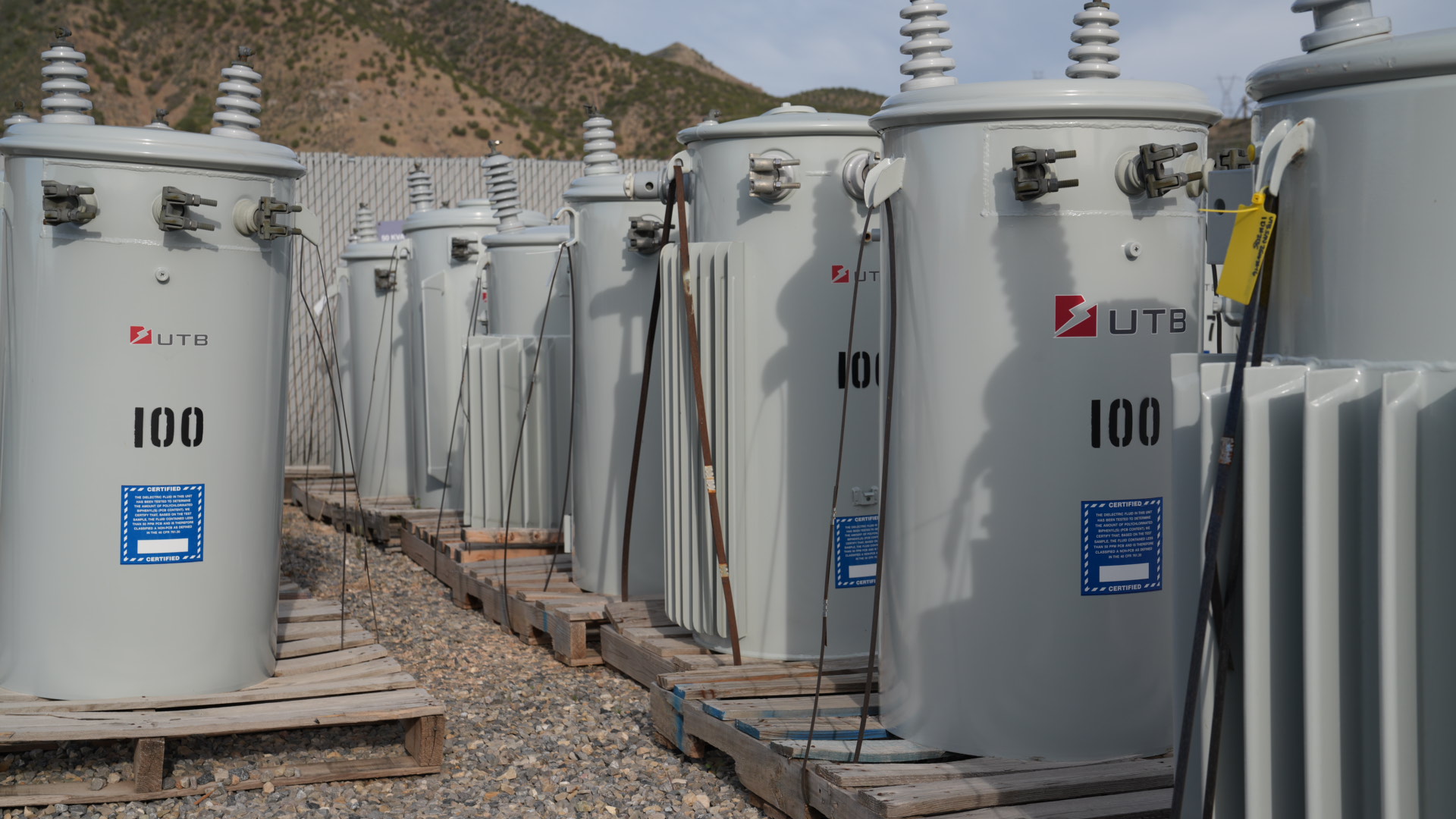
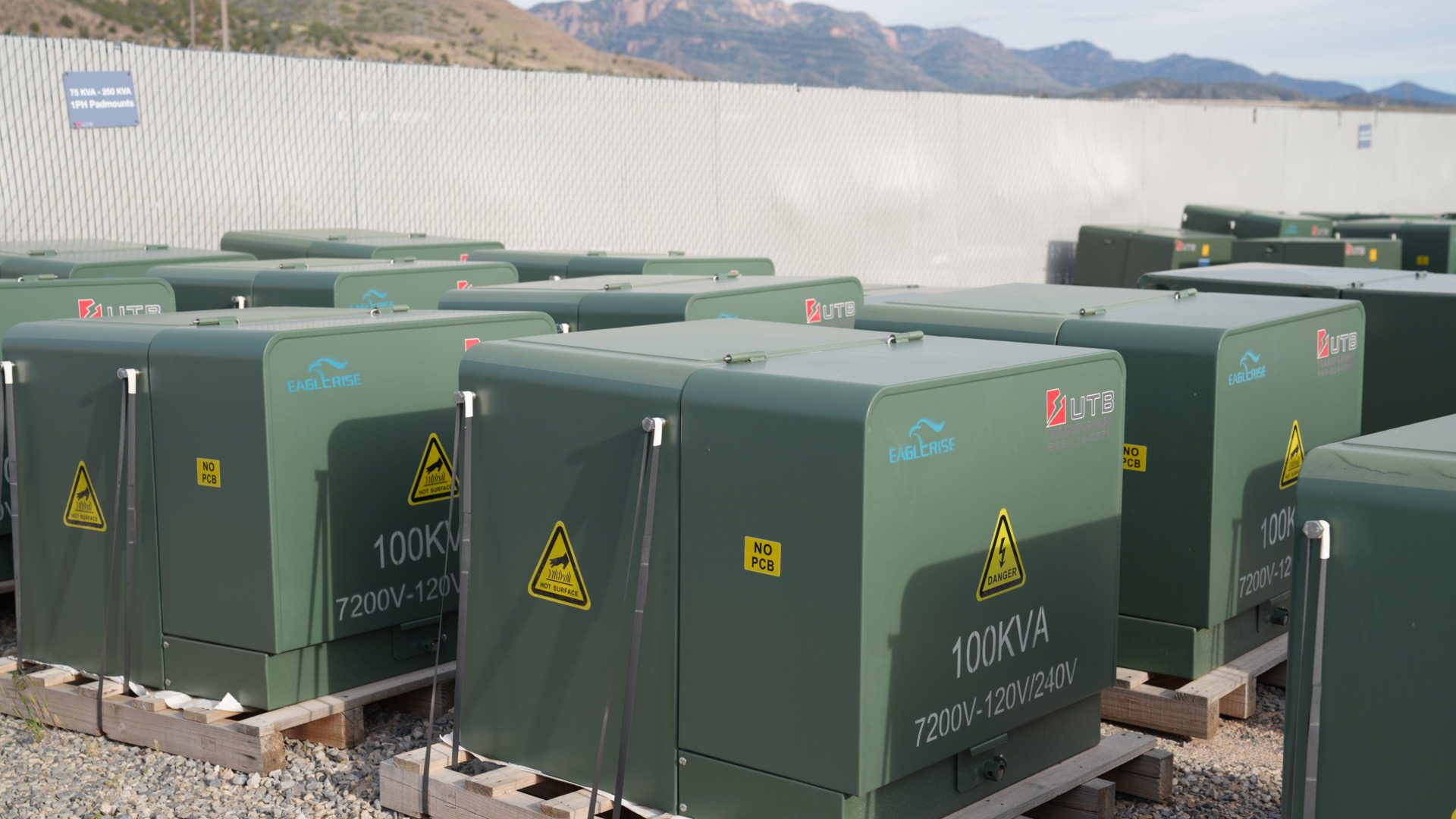
This means demand for substation transformers, pad mounted transformers, pole mounted transformers, and other medium-voltage equipment is expected to remain healthy. Buyers should anticipate continued competition for manufacturing capacity, especially for highly customized equipment.
Organizations that build procurement into the early stages of project planning will likely experience fewer scheduling challenges and greater flexibility when selecting equipment.
Why UTB Transformers Is Prepared for Today’s Market
Changing market conditions require more than simply placing an order with a manufacturer. Buyers need responsive communication, reliable sourcing, and access to equipment when schedules are tight.
UTB Transformers works with utilities, electrical contractors, industrial facilities, engineering firms, and renewable energy developers throughout North America. Our focus is helping customers locate Substation Transformers, Pad Mounted Transformers, Pole Mounted Transformers, and other medium- and high-voltage equipment with competitive lead times.
By maintaining access to ready-to-ship inventory and an extensive supplier network, we help customers navigate today’s evolving transformer market while minimizing project delays.
Keep Your Project Moving
Infrastructure investment is reshaping the transformer industry, but it doesn’t have to slow your project down. Whether you’re planning a future installation or responding to an unexpected equipment need, UTB Transformers can help you find the right solution quickly.
Contact our team today to request a quote, discuss your project requirements, or check current inventory. Our goal is simple: deliver dependable transformer solutions that keep your projects on schedule, even as the market continues to evolve.